
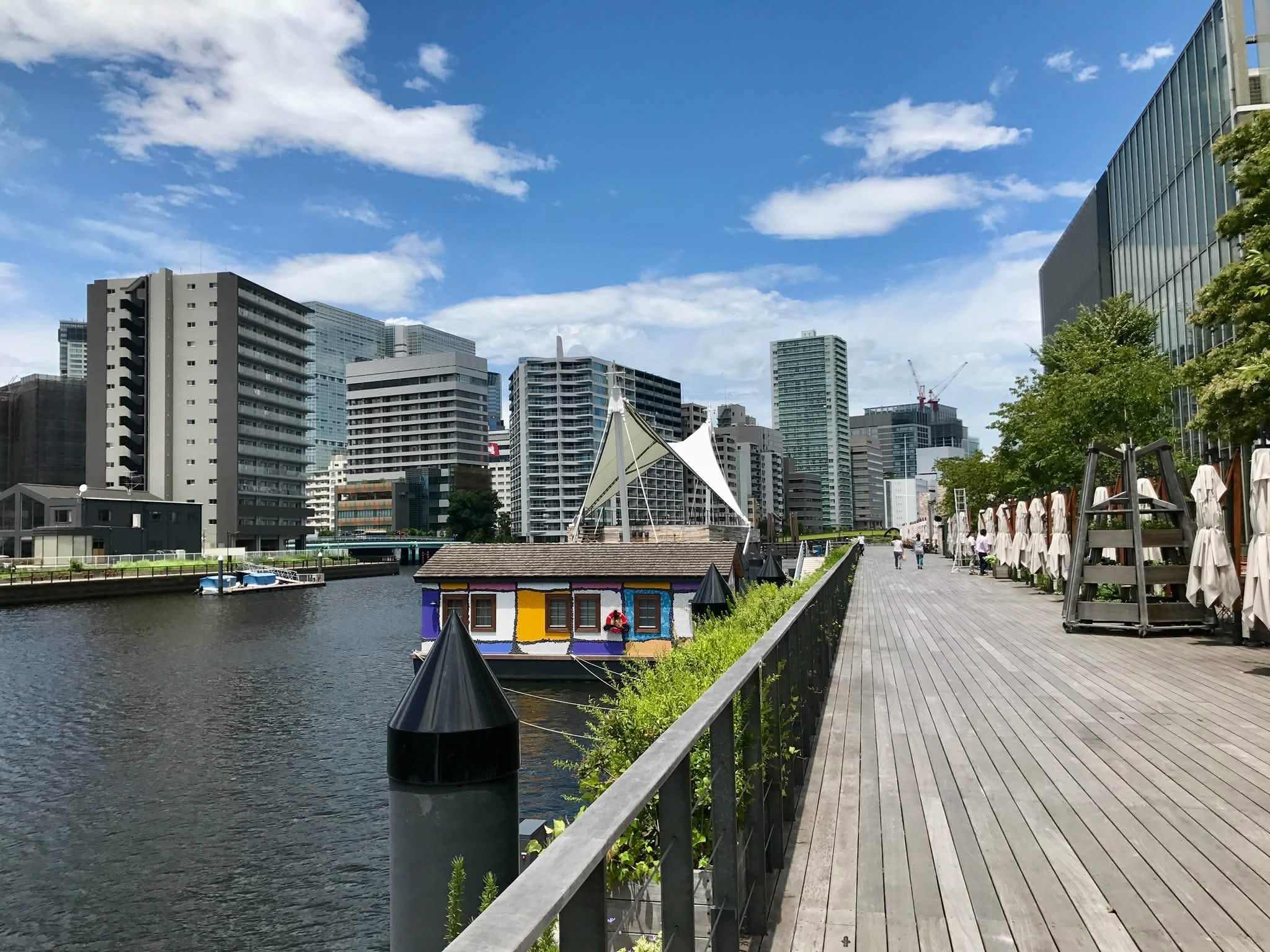
By KHT Staff. A canal-side boardwalk in Tokyo’s Tennozu district (天王洲), where waterfront dining and public walkways sit alongside former warehouses and modern buildings. All images via 高雄好過日.
KAOHSIUNG — A former warehouse district on Tokyo’s waterfront is offering a point of comparison for Kaohsiung as the city develops its own mix of harbor-side business, culture, and public spaces.
In a recent post, 高雄好過日 examined Tennozu Isle (天王洲), tracing how offices, transport connections, and the reuse of warehouses helped reshape the district—and why it is now considering another round of renewal.
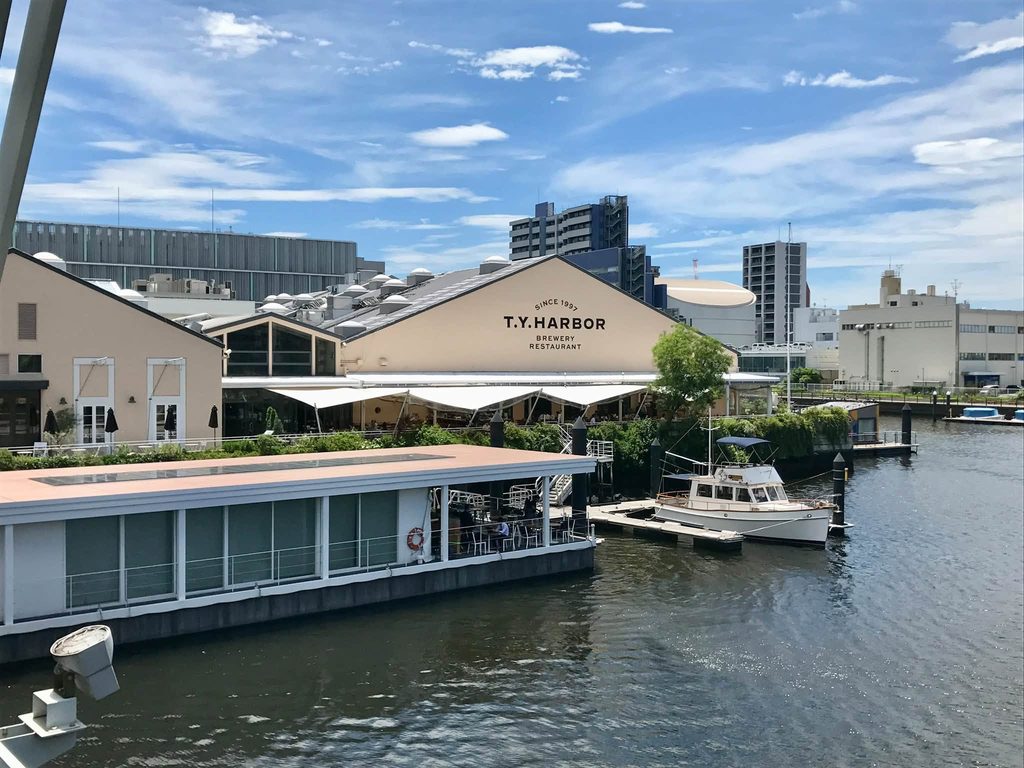
The comparison comes as lawmakers pursue direct charter flights between Kaohsiung and Tokyo’s Haneda Airport (羽田機場), potentially giving southern Taiwan travelers another route into the Japanese capital.
According to Newtalk’s Nov. 6 report, Legislator Lai Jui-lung (賴瑞隆) said Japanese approval had been obtained for charter services targeted for February 2027. Tigerair Taiwan (台灣虎航) confirmed it had submitted an application and expected to announce details by the end of November. Scheduled service remains a goal being pursued, rather than an announced next step.
Tennozu lies along the Tokyo Monorail route connecting Haneda with Hamamatsucho (濱松町). Its monorail station opened in June 1992, according to the railway operator, providing access to a waterfront district combining offices, restaurants, theaters, and boardwalks.
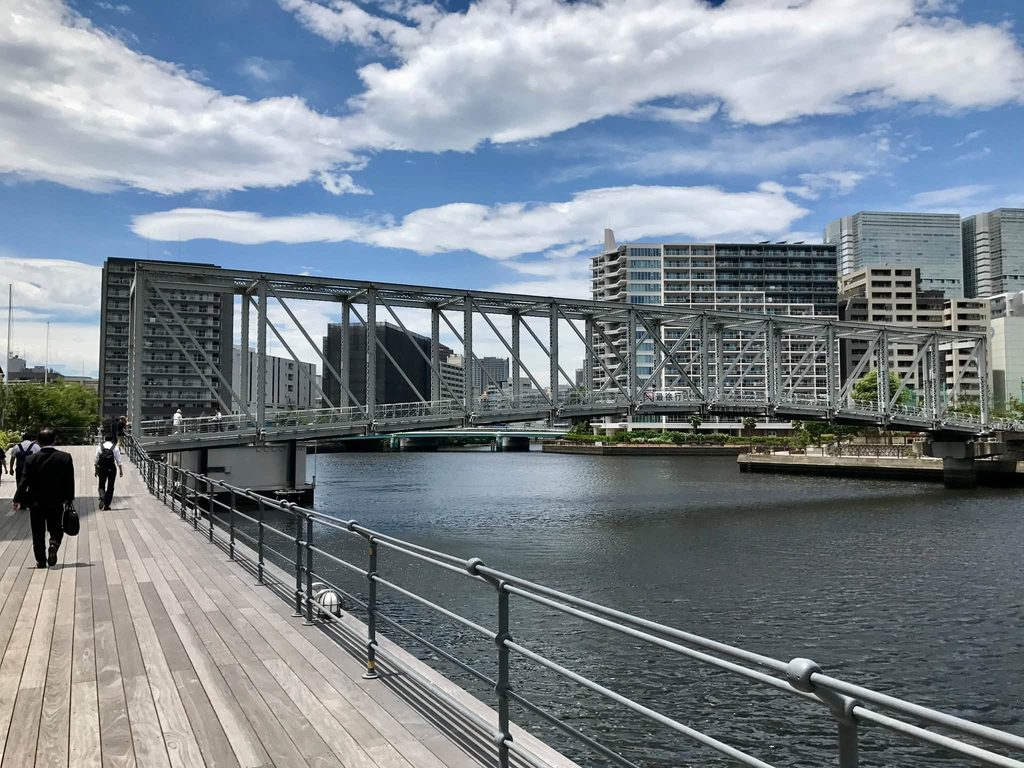
Redevelopment began taking shape in the 1980s. Area Management TENNOZ, the organization now involved in managing the district, traces its origins to a development council established in 1985 by landowning companies.
The area’s transformation included new commercial buildings, but some of its older warehouses found other uses.
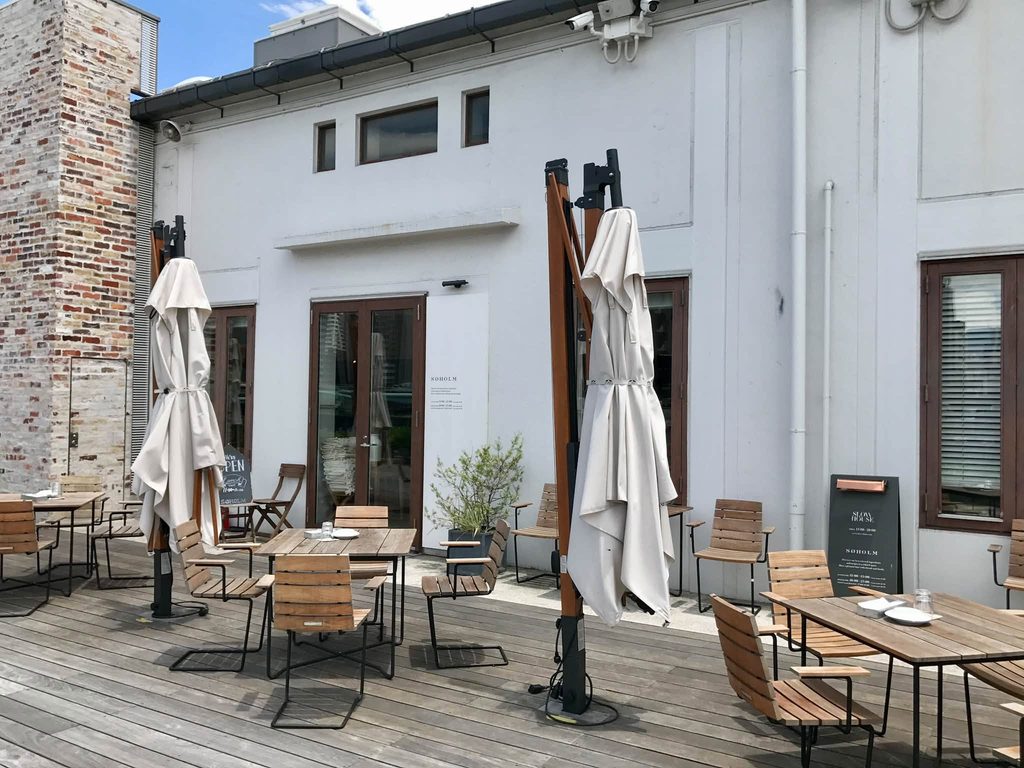
One example is T.Y.HARBOR, a brewery restaurant created inside a converted warehouse in April 1997. The operator’s account describes subsequent additions including a floating lounge and a bakery café, gradually extending activity along the waterfront from morning into the evening. It also records early financial difficulties, with the restaurant coming close to closure before a management change in 1999.
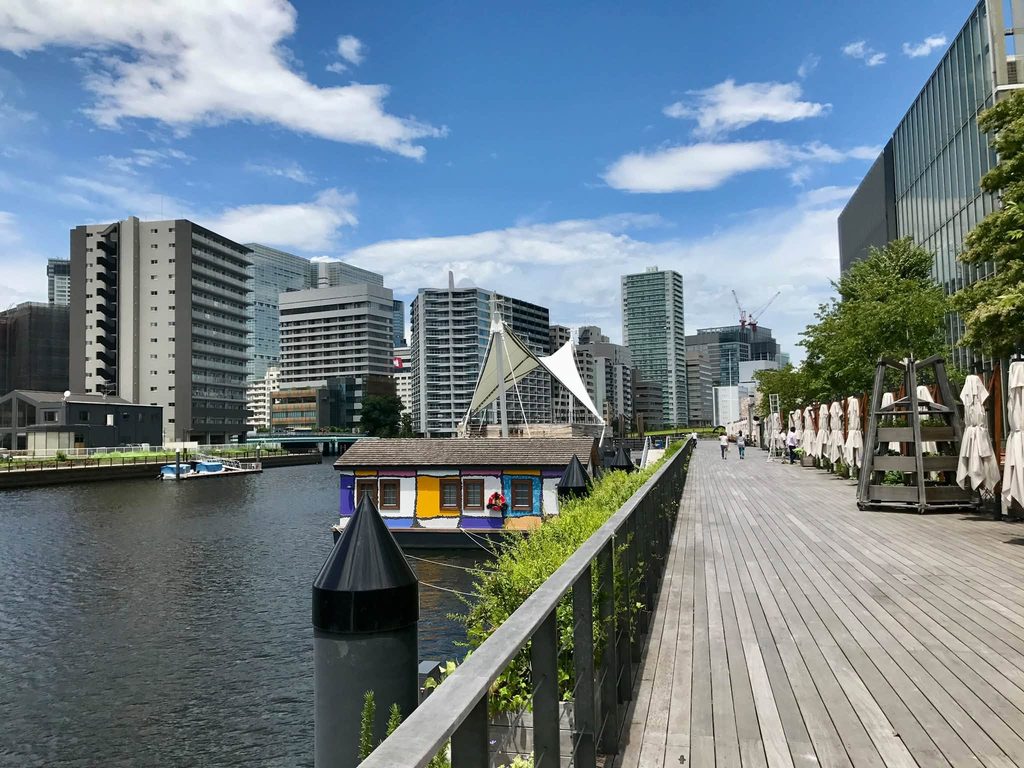
高雄好過日 also highlighted the district’s galleries, exhibition spaces, and art-related businesses as examples of how warehouse reuse can support cultural activity alongside commercial development.
For Kaohsiung, the group drew parallels with rail connections, waterfront regeneration, and the conversion of industrial buildings for new purposes. It suggested Tennozu’s experience could inform the continuing development of the Asia New Bay Area (亞洲新灣區), particularly how individual projects are connected and managed over time.
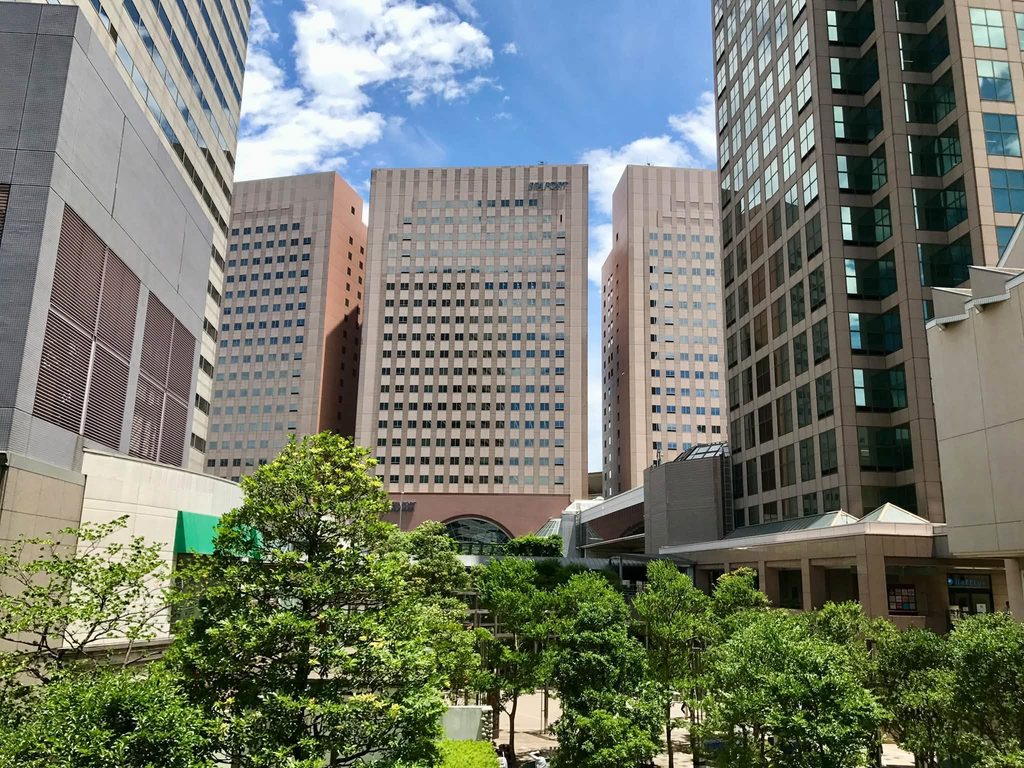
Tennozu’s own plans acknowledge the challenge of keeping an established district attractive. Its public-private planning platform says aging facilities and a relative decline in vitality prompted a new vision, completed in January 2024, to guide renewal.
That makes the comparison relevant beyond the initial conversion of warehouses or construction of offices: Tennozu is also considering how to update a waterfront neighborhood more than three decades after its first major redevelopment.