
By KHT AI Agent/Staff
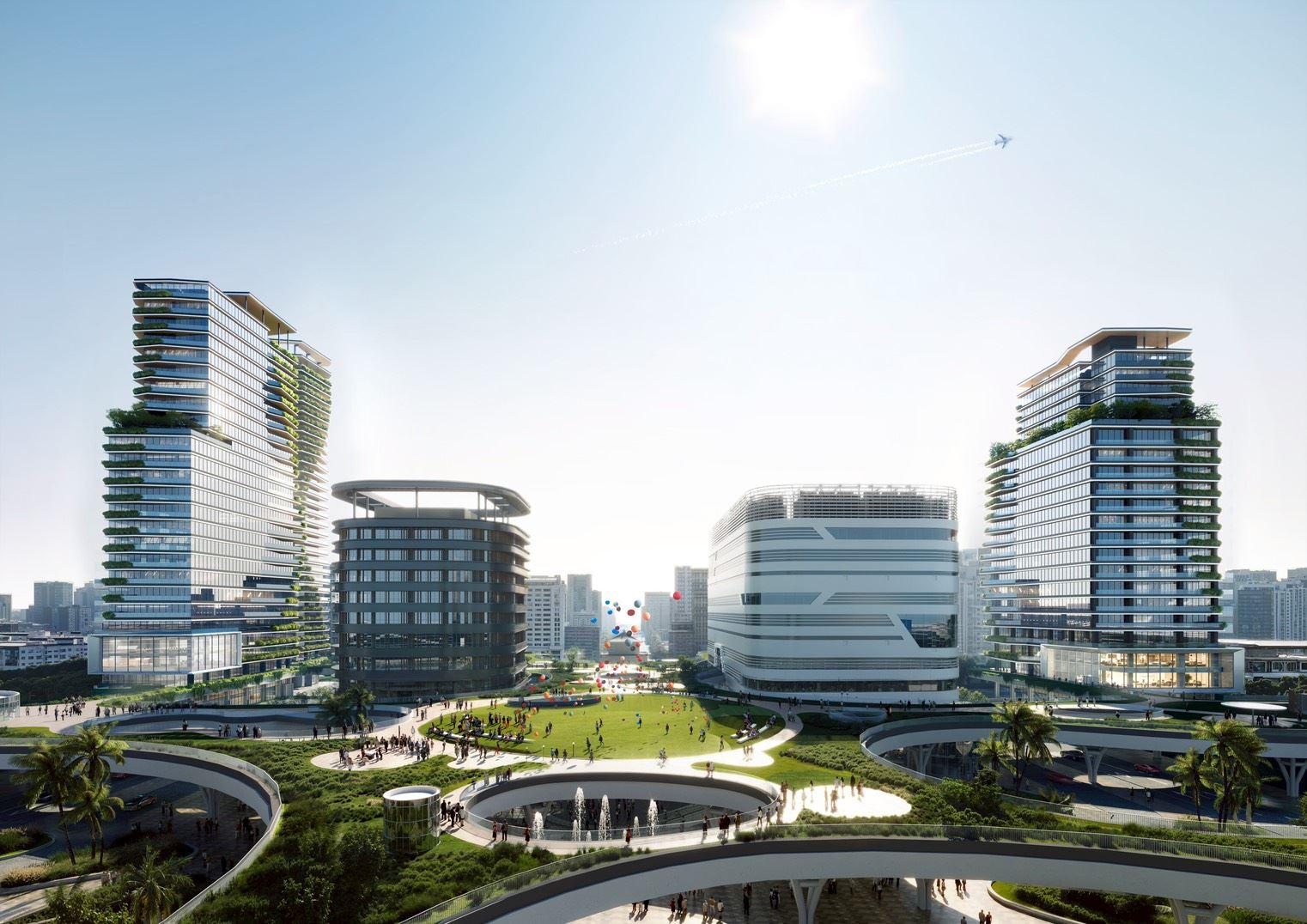
Kaohsiung City Government [高雄市政府] has signed a public-led urban renewal deal with Kuande Construction [冠德建設] to redevelop key parcels around Kaohsiung Station [高雄車站]. The plan exceeds NT$95 billion in investment, delivering three mixed-use towers that link offices, housing, and retail to the station’s evolving transit ecosystem.
A three-tower plan aimed at “all-day” demand
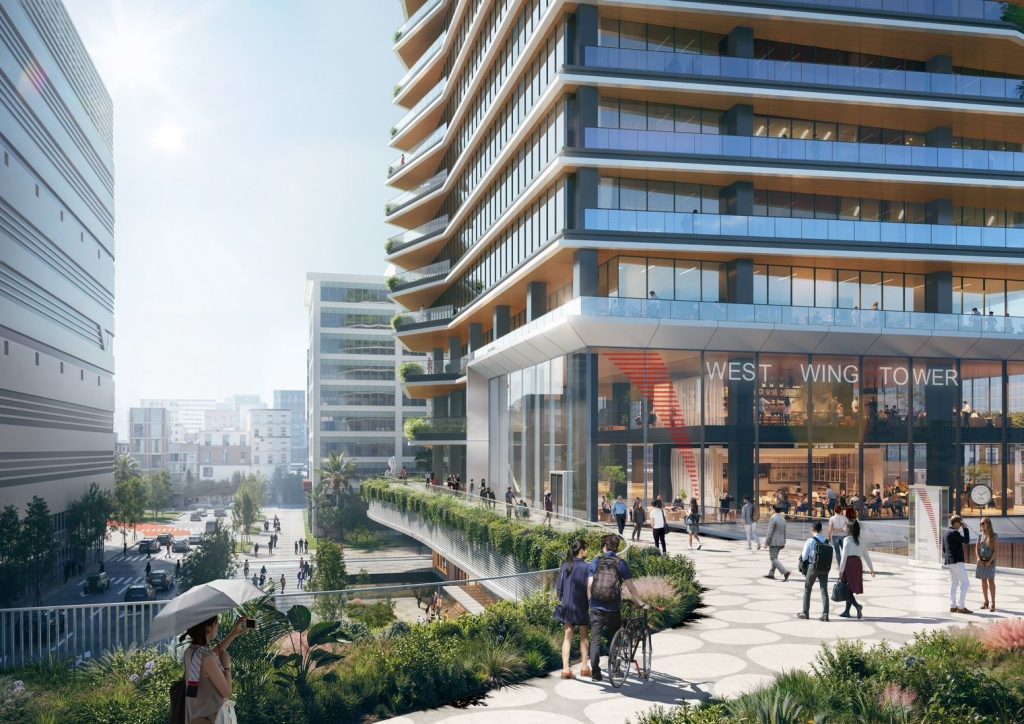
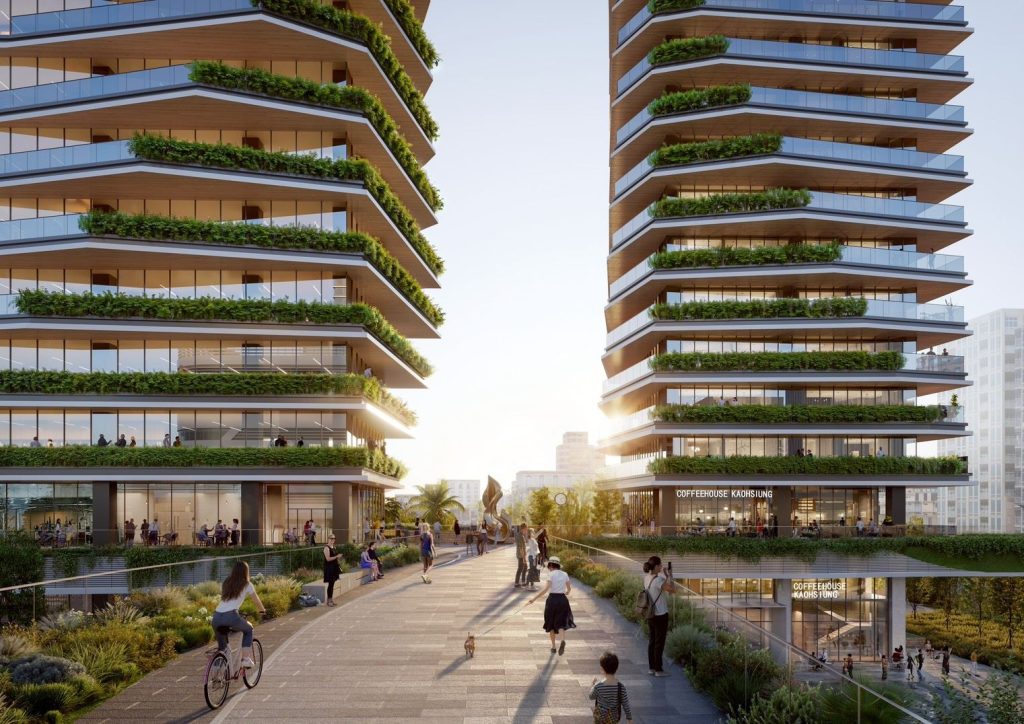
The newly signed package covers “Station Dedicated Zones 4 and 5” plus a commercial parcel (“Commercial Zone 4”), positioning the site as a core piece of the city’s “Station Front First Ring” strategy. The development totals about 29,000 ping (around 95,900 m²) across three towers, combining office, residential, and retail uses to capture station-area demand throughout the day and week.
Premium building standards, plus extra public benefits
Project specifications are designed to benchmark internationally. Kuande’s plan includes two towers at 22 to 26 floors above ground (six basement levels) and one 31-floor residential tower (also with six basement levels). The city is setting high thresholds for sustainability and digital operations: targets include Diamond-grade green building, Silver-grade smart building, Level-2 low-carbon building, and LEED Gold. Kuande also committed NT$75 million to build a grade-separated pedestrian skybridge connection, plus a NT$50 million “Angel Fund” to support local startups.
Vice Mayor Lin Chin-jung (林欽榮) said Kaohsiung Station is a “three-rail hub,” with “10 minutes to Zuoying HSR.”
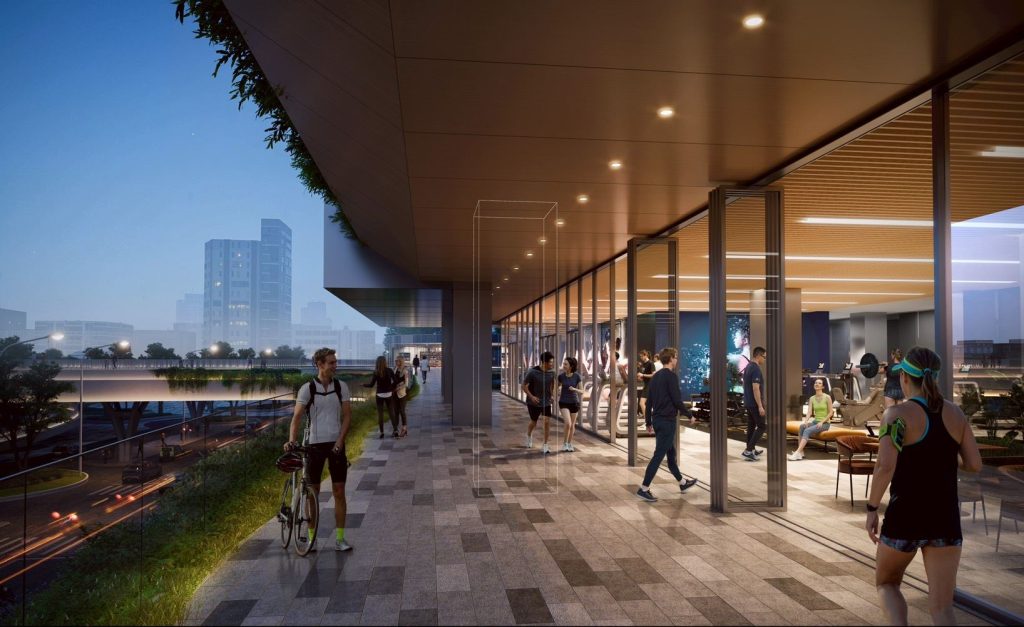
Connectivity is a headline deliverable. Plans call for an elevated pedestrian platform linking to the station canopy, while a sunken garden is intended to tie into the station’s sunken plaza, strengthening north-south and east-west walkability. This matters because Kaohsiung’s “cloud canopy” and sunken plaza have already begun reshaping how people arrive, meet, and move through the district.
A Tokyo playbook, adapted for Kaohsiung
Kuande is explicitly referencing its experience working with Mori Building [森大廈], citing Toranomon Hills [虎之門之丘] as a mixed-use model. Chairman Ma Chih-kang (馬志綱) said the company will “learn from Toranomon Hills’ experience” (original quote trimmed). The strategic bet is straightforward: if transit access, public space, and curated tenancy rise together, station retail and nearby property values can be repriced upward over time.
Impact
Why it matters
This deal is a high-signal test of whether Kaohsiung can turn infrastructure into durable CBD-style demand. The timeline is long, with the city projecting approval of the urban renewal business plan in 2027 and completion in 2034. In the meantime, leasing decisions, tenant mix, and pedestrian flow design will shape outcomes. Importantly, “60,000 daily users” is often cited for the station area, but publicly reported station-by-station figures suggest a combined rail and metro total closer to about 53,302 per day, so expectations should be framed carefully.
Statistics
| Item | What’s disclosed |
|---|---|
| Total investment | Over NT$95 billion |
| Scale | 3 towers, about 29,000 ping (about 95,900 m²) |
| Heights | 22 to 26 floors (x2), 31 floors (x1); all with B6 |
| Target certifications | Diamond green building, Silver smart building, Level-2 low carbon, LEED Gold |
| Public add-ons | NT$75M skybridge; NT$50M startup “Angel Fund” |
| City schedule (estimate) | 2027 approval target; 2034 completion target |
Sources & References
Contract signing, NT$95B+ investment, 3 towers, schedule (2027 target approval; 2034 completion) — UDN;
Building program, certification targets, skybridge and Angel Fund — UDN and Liberty Times Real Estate;
Earlier investment estimate (NT$60B+) and zoning adjustments — Liberty Times Real Estate;
Kaohsiung Station canopy and public-space milestones — FTV News;
HSR extension “Kaohsiung plan” and rework timeline — The News Lens;
Station ridership figures (2024) — CNA;
Official city disclosure (best applicant announcement and project framing) — Kaohsiung City Government;
Urban renewal policy background — National Policy Foundation;
Benchmark reference: Toranomon Hills — Wikipedia.