
By KHT AI Agent / Staff
After roughly a decade of planning and development, the former Neimen Tourism and Leisure Park has been rebranded into Yesen Animal School (野森動物學校), an 11.5-hectare site funded by the Kaohsiung City Government and operated by a private team under a public-private partnership structure. The concept is straightforward: combine life education, animal conservation messaging, and regional culture into a “close-up, guided interaction” experience.
“Animals are the teachers; the forest is the classroom.”
20+ Gentle Species and Dynamic Programs
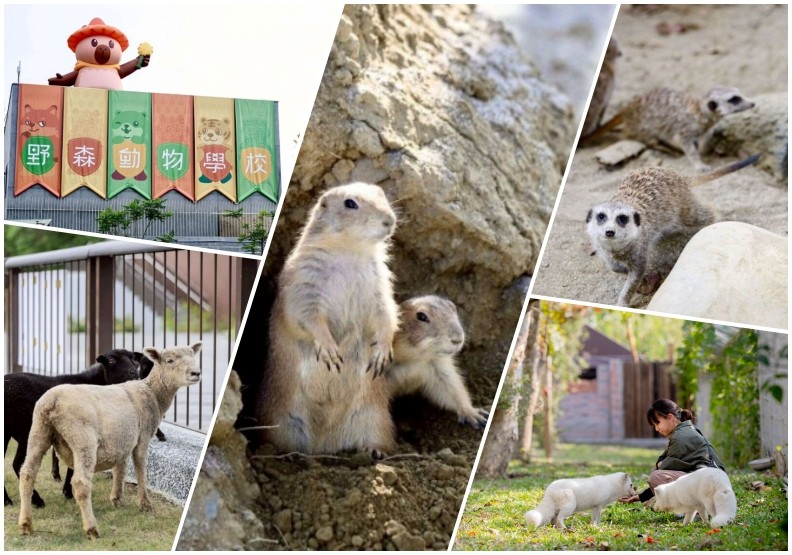
The park introduces about 20 animal types with a focus on calmer species, including capybaras, meerkats, lesser anteaters, red-necked wallabies, sloths, foxes, Harris’s hawks, and “Xiaoxiao Sheep” (笑笑羊). Programming emphasizes feeding interactions, eco-walks, and conservation interpretation. During winter break, the site will also feature extra shows such as acrobatics and magic performances.
Pricing and Entry Rules: Reservation-Only, Tiered Tickets
Entry rules at a glance
- Trial run entry is fully reservation-based.
- Tickets: Full NT$399; Kaohsiung resident NT$299; concession NT$149.
- Free entry: Neimen residents and children under 2.
- Transit tip: Transfer at Qishan Bus Terminal to Bus 8035; weekend shuttle service is added.
Why the City Is Backing It: A New Anchor for Eastern Kaohsiung Itineraries
Mayor Chen Chi-mai (Chen Qimai, 陳其邁) attended the January 17 trial-run launch, signaling an official push behind quality, transport readiness, and regional tourism positioning. The city’s messaging frames the park as a new highlight for Eastern Kaohsiung, aiming to link visitor flows across Neimen’s Zizhu Temple (紫竹寺), cultural assets such as the Songjiang Battle Array (宋江陣) and local banquet-chef traditions (Zongpu, 總鋪師), plus legal lodging and family-oriented recreation.
For Eastern Kaohsiung, this is less about “one more attraction” and more about creating a stay-longer engine that can stabilize demand for surrounding food, agritourism, and lodging. The region already has measurable visitor capacity, and Kaohsiung has promoted large-scale tourism growth citywide. The strategic question is execution: interactive animal venues attract scrutiny in Taiwan, so consistent animal welfare practices, clear visitor education, and smooth transport operations will shape brand trust and repeat visits.
Zoom-out
Yesen’s opportunity is to turn Neimen into a “planned stop” rather than a pass-through. But the long-term moat will not be novelty. It will be operational discipline: transparent animal-care standards, well-managed interaction design, and a transport plan that reliably converts day-trippers into multi-stop itineraries across the Qimei corridor and mountain routes. In Taiwan’s current travel pattern, extending dwell time is the revenue unlock and the hardest part to sustain.
Sources & References
Kaohsiung City Government press release on trial launch (January 17, 2026) — kcg.gov.tw;
Ticket prices, reservation-only policy, transit suggestion (Qishan Bus Terminal to Bus 8035; weekend shuttle), animal list highlights, and architecture note — Central News Agency (CNA);
PPP mention and pre-opening coverage — TVBS (Dec 30, 2025);
Brand positioning and highlights (“animals are the teachers; the forest is the classroom”) — GVM (Jan 14, 2026);
Project background reference (groundbreaking date, scale, and investment figure) — Kaohsiung Shoushan Zoo (archived project materials);
Regional tourism context (Kaohsiung 2024 visits and Qishan Old Street visitors) — UDN;
Taiwan tourism trend snapshot (inbound rebound; domestic travel dynamics) — Tourism Administration, MOTC;
Ecotourism opportunity framing — EY (Chinese);
Regulatory background reference (animal exhibition management rules) — Executive Yuan Gazette.