
By KHT AI Aent / Staff
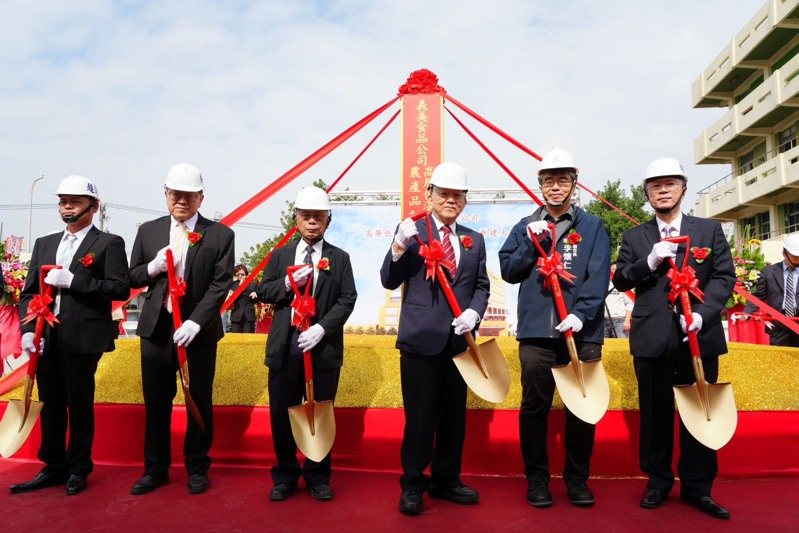
I-Mei’s new Renwu facility is designed to handle agricultural processing, cold storage, and low-temperature distribution under one roof, powered by AI scheduling and smart monitoring. For shoppers, it is a behind-the-scenes upgrade that can mean steadier quality and fewer “fresh food” disappointments across the Kaohsiung-Pingtung supply belt. The NT$20 billion project aims to bring AI, IoT temperature control, and cloud monitoring into everyday food logistics, with completion expected in 2028.
A six-floor “freshness factory” for the Gaoping region
The project’s name says it all: “Gaoping Low-Temperature Logistics and Agricultural Processing Building” (高屏低溫物流.農產品加工大樓). According to the Kaohsiung City Government’s Economic Development Bureau, the building will have six floors with a total floor area of about 5,380 ping (about 17,785㎡). Floors 1 to 3 are planned as a low-temperature logistics center, while floors 4 to 6 will be used for agricultural processing and handling. The city says completion is expected in 2028, with about 150 jobs created.
AI cold-chain, plus a four-legged warehouse helper
This is not positioned as a basic warehouse. I-Mei General Manager Henry Kao (Gao Zhiming, 高志明) said the company will “first introduce a quadruped robot for low-temperature warehouse inspection and inventory.”
“Let businesses investing in Kaohsiung see efficiency and feel sincerity.”
Kaohsiung Deputy Mayor Lee Huai-jen (Li Huairen, 李懷仁), via city release
The lifestyle angle: what changes for your groceries
Cold chain is one of those “you only notice it when it fails” systems. When it works, produce arrives less stressed, chilled foods stay safer, and delivery timing becomes more predictable. Kaohsiung officials frame the Renwu project as a way to integrate food safety and speed by leveraging data and automation, particularly in the Kaohsiung-Pingtung agricultural belt. The project also includes a rooftop plan for nearly 1,000 ping of solar panels to support greener electricity use for cold-chain operations.
The real-world watchout during construction
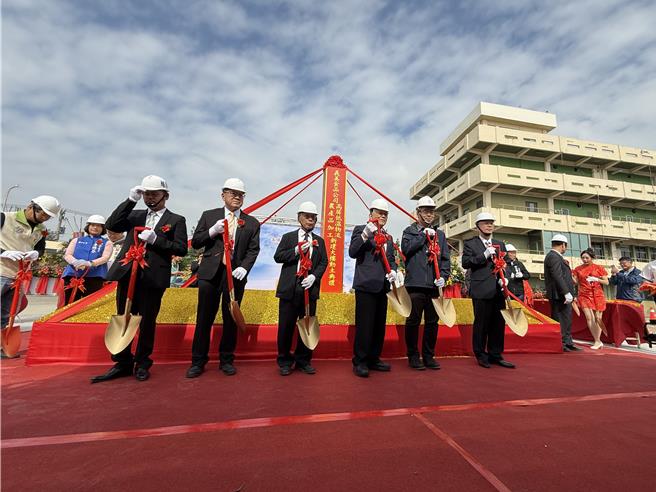
One practical issue already surfaced in local reporting: the risk around where construction earthwork goes. Deputy Mayor Lee was quoted as saying the city will “find a way to solve it” and will not allow delays. It is a common construction pressure point, but it is also the kind that can quietly affect timelines if permits and transport plans get complicated.
Statistics
| Item | What’s reported | Timeframe |
|---|---|---|
| I-Mei Renwu project investment | NT$20 billion | Groundbreaking: 2026-01-16 |
| Building plan | 6 floors; ~5,380 ping (~17,785㎡) | Planned completion: 2028 |
| Functional zoning | 1-3F cold logistics; 4-6F ag processing/handling | As announced |
| Estimated jobs created | ~150 | By completion/operation |
| Green energy feature | Rooftop solar planned: nearly 1,000 ping | As announced |
Zoom-out
I-Mei’s Renwu build lands in a wider push to modernize how Taiwan keeps food cold, safe, and traceable. The central government previously approved an agriculture cold-chain program (2021 to 2024) with a stated goal of reducing fresh-goods loss by 10%. Meanwhile, Kaohsiung is also leaning into a larger “north Kaohsiung” momentum, including the Bridgehead Science Park (Qiaotou, 橋頭) opening on January 2, 2026. Put together, the message is clear: the city wants more than factories; it wants the back-end systems that keep daily life running smoothly.
Sources & References
I-Mei groundbreaking and project specs (published 2026-01-19; event 2026-01-16) — Kaohsiung City Government (EDB);
Event coverage and highlights (AI cold chain, quadruped robot) — UDN;
Construction earthwork concern and city response — China Times;
Cold-chain policy background (approved 2021–2024, NT$84B; target loss reduction 10%) — CNA;
Bridgehead Science Park opening (2026-01-02) — UDN;
I-Mei company background (founded 1934; Henry Kao) — Wikipedia;
Phase 2 cold-chain plan budget figure (reported 2025/09) — UDN.