
By Henry Feng
Source: The News Lens (關鍵評論網)

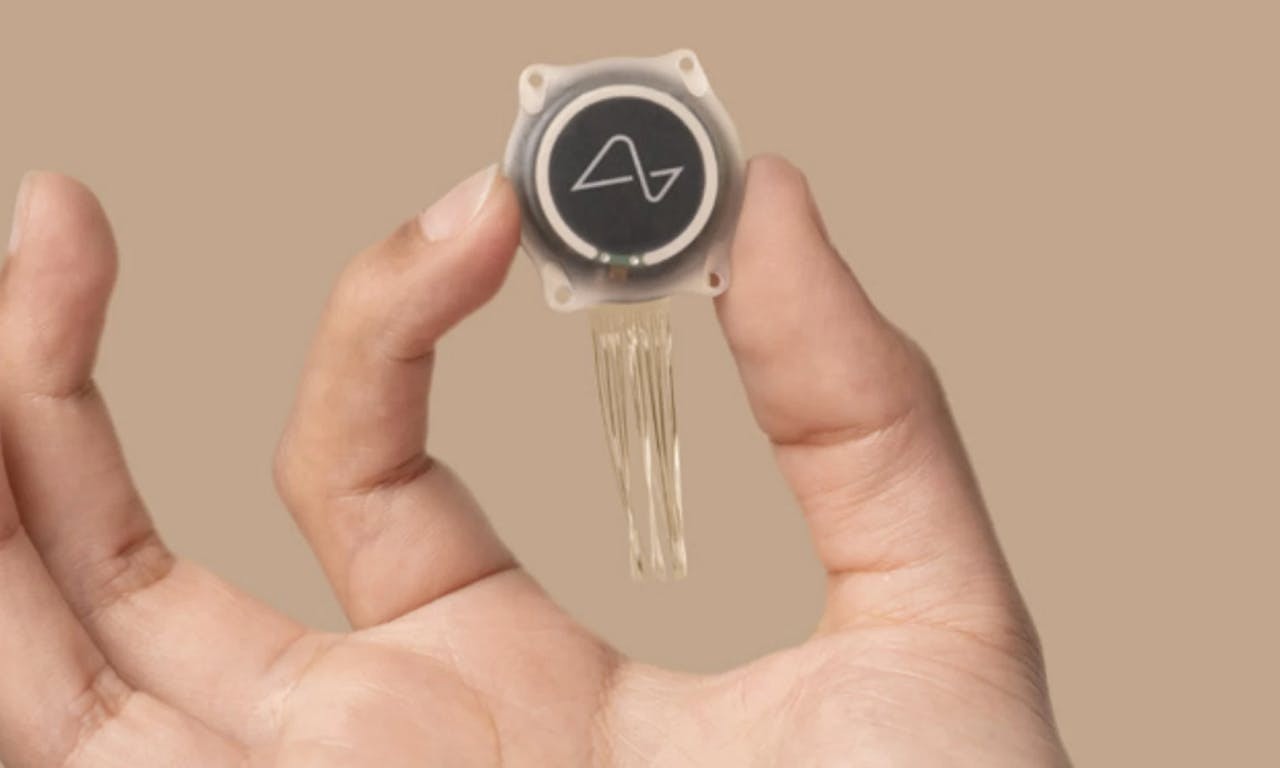
Elon Musk says his brain–computer interface company Neuralink plans to begin high-volume production of its implantable devices this year, alongside a shift toward fully automated surgical procedures.
According to Reuters, Musk announced on the social media platform X that Neuralink intends to move beyond the experimental stage and toward large-scale commercialization. A key element of the plan involves robotic surgery capable of inserting electrode threads through the dura mater—the brain’s outer protective membrane—without removing it.
Musk described the development as a major breakthrough, arguing that avoiding dura removal could significantly reduce infection risks, shorten recovery time, and make the procedure more suitable for widespread use.
Neuralink received U.S. Food and Drug Administration approval to begin human trials in 2024 after addressing earlier safety concerns related to battery design and electrode stability. As of September 2025, the company had implanted devices in 12 patients with severe paralysis. The first participant has demonstrated the ability to control a computer cursor, browse the internet, and play video games using thought alone.
To support expansion, Neuralink raised US$650 million in funding in mid-2025, reflecting continued investor confidence in the technology’s long-term potential.
If Neuralink’s automation claims prove viable, the company could substantially lower the barriers to brain–computer interface surgery, with possible implications for patients with spinal cord injuries and other neurological conditions.