
Opinion by Kaohsiung American School Student Benjamin Lo (Grade 9)
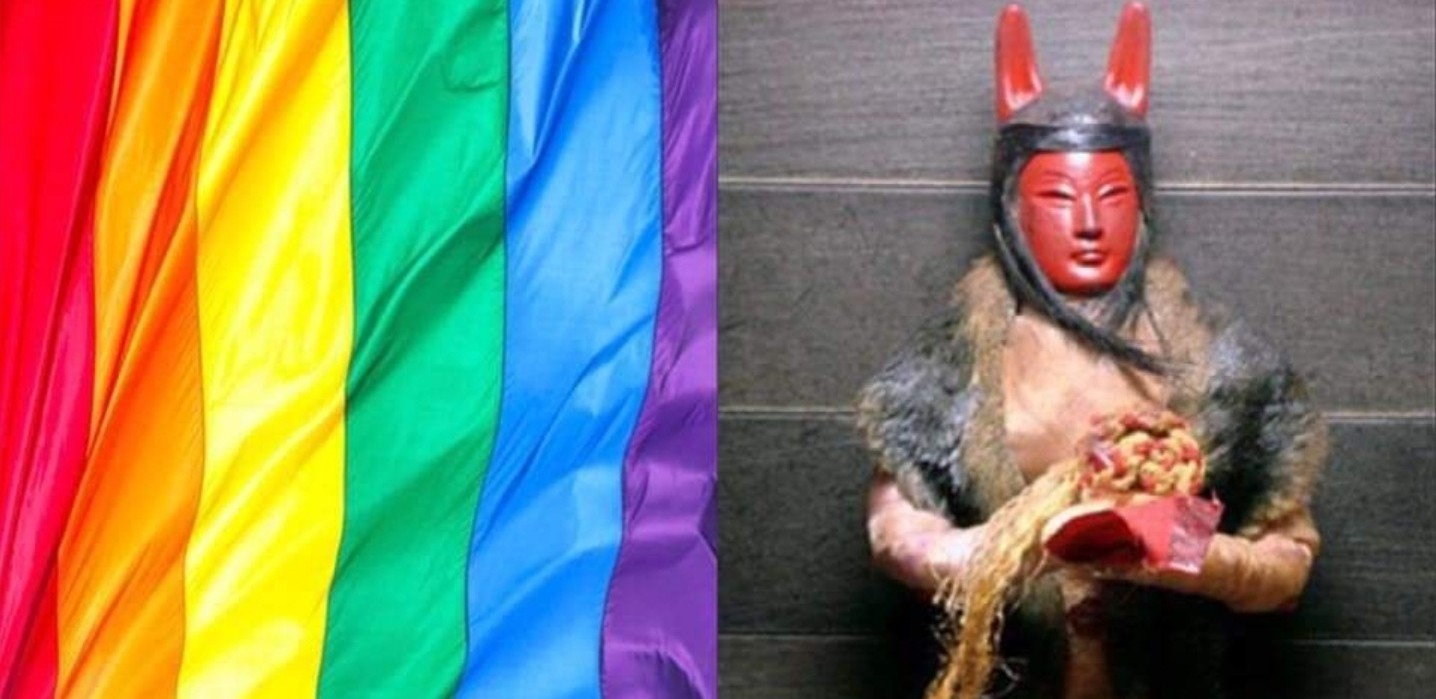
Image shows a deity in Taipei worshiped by some gay men, an example of Taiwan’s openness in social matters and religion.
Lately, Taiwan has been changing. Visit a university campus, a crowded MRT station, or a night market, and the shift is obvious. Today’s younger generation expresses a distinctly Taiwanese confidence, one that reflects the emerging face of the island.
For many young people, the differences between Taiwan and China feel increasingly pronounced. Instead of debating who they are, this generation is more focused on showing the world what a uniquely Taiwanese identity looks like.
Not long ago, many Taiwanese of all ages identified as both Chinese and Taiwanese, often because of family history, cultural traditions, and shared heritage.
Today, however, surveys and everyday conversations suggest a different trend. A majority of people identify primarily as Taiwanese, and many identify only as Taiwanese.
Young people have grown up experiencing Taiwan’s democracy at its fullest, with free elections, LGBTQ+ rights, civil liberties, and a vibrant internet culture marked by local humor and homegrown celebrities.
Their political identity has also been shaped by events such as the Sunflower Movement, the legalization of same-sex marriage, and Taiwan’s growing global role in technology through companies like TSMC. Taiwan’s political landscape today is clearly its own, not a reflection of Beijing.
The term “Chinese,” for many young people here, now feels tied more to geopolitics than to personal roots. Although Taiwanese and mainland Chinese share some cultural elements such as Lunar New Year traditions and the Mandarin language, these similarities do not necessarily translate into shared values or perspectives. Rising tensions have pushed many young people to think more carefully about who they are, and this has reinforced the belief that Taiwan’s identity is distinct.
Rather than identifying as Chinese, this generation embraces the cultural features that differentiate Taiwan. These include the local entertainment industry, renewed focus on Hoklo and Hakka languages, and growing pride in Indigenous heritage.
At the same time, young Taiwanese are active participants in global culture, from K-pop to overseas education to international social movements. Modern Taiwanese identity is not a closed fortress. It is open, outward-looking, and connected to the wider world.
In the end, the question for Taiwan’s youth is no longer “Are we Chinese?” but “What kind of Taiwan do we want to create?” For most, identity is shaped less by politics and more by daily choices, cultural experiences, and the communities they build. These are the things that define them as confidently and proudly Taiwanese.