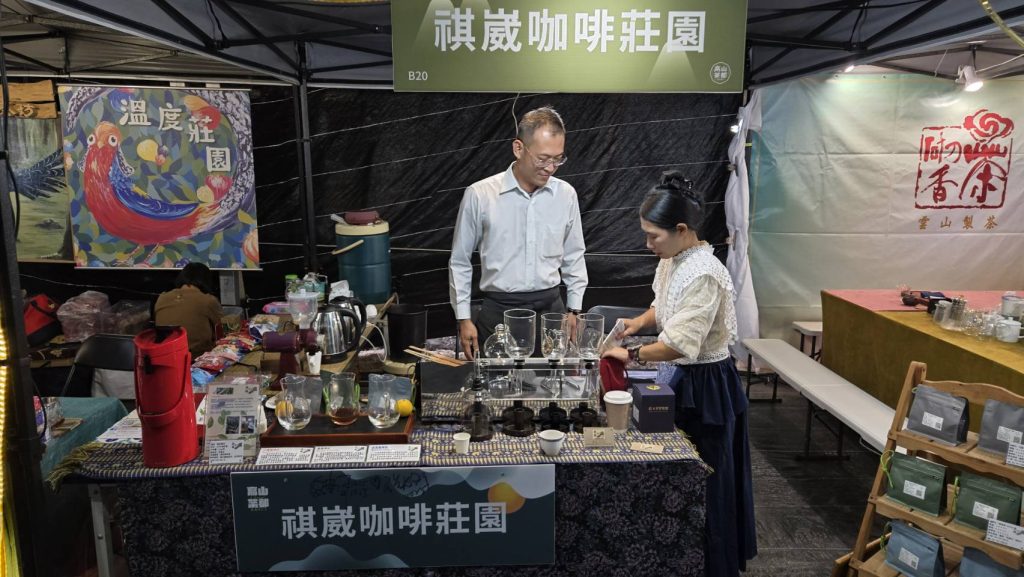
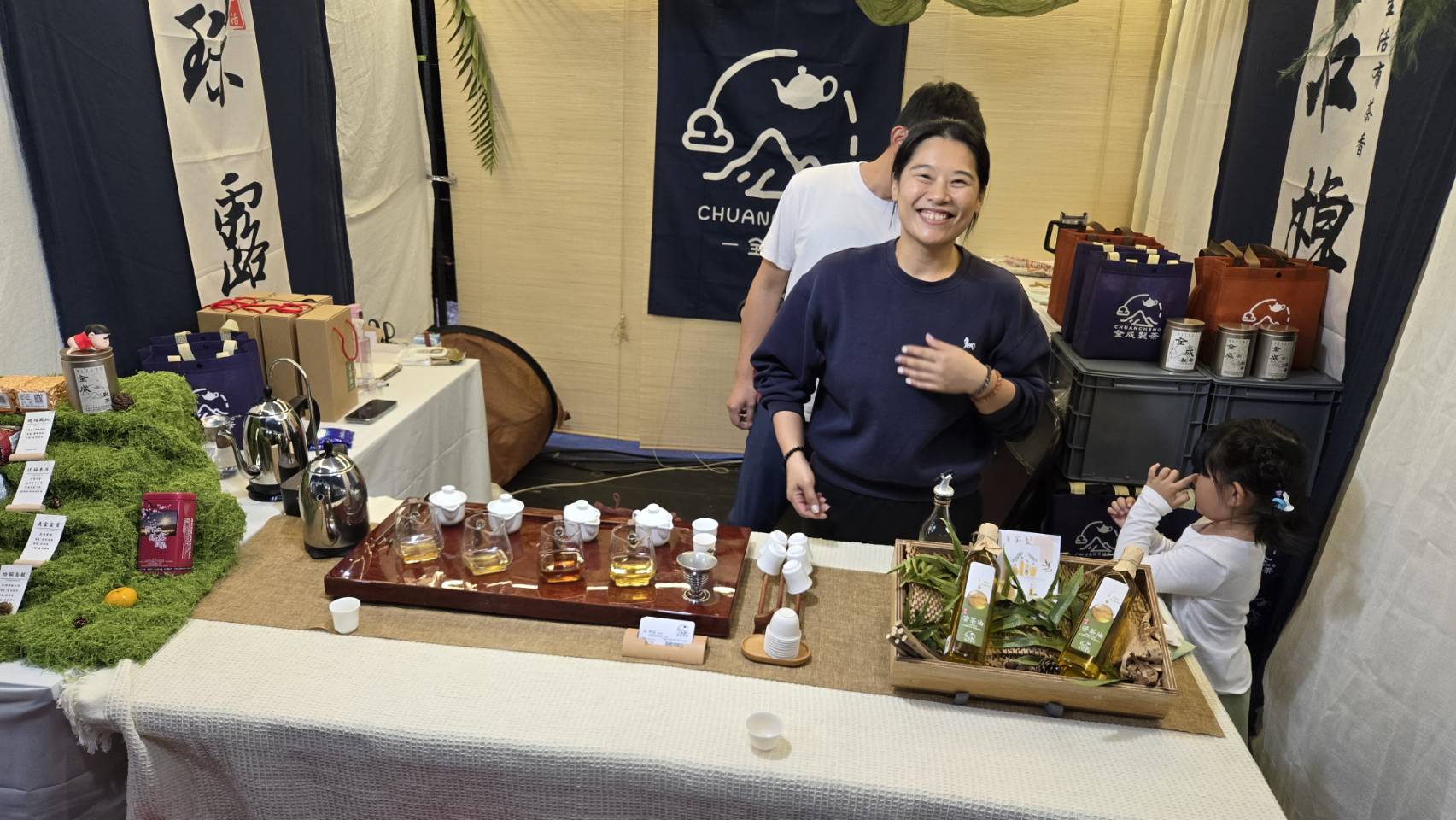
By Eryk Michael Smith / Staff
Photos by KHT/Chiayi County Culture and Tourism Bureau
Alishan high-mountain tea is inseparable from Chiayi’s geography and climate. Grown in high-elevation forests surrounded by year-round mist, the tea reflects the interaction between natural conditions and generations of accumulated craftsmanship, explained Chiayi County Culture and Tourism Bureau Director Hsu Pei-ling (徐佩鈴).

Interestingly, “high mountain” tea from Chiayi isn’t a product dating back to the Qing or the Japanese. Instead, it only became feasible as an export product (even to other parts of Taiwan) after vacuum sealing technology became cheap enough for local tea farmers — which only happened in the 1980s.
She also told reporters that Chiayi County is using high-mountain tea as a cultural narrative rather than a simple agricultural product, positioning it as an entry point into the county’s mountain landscape, history, and way of life.
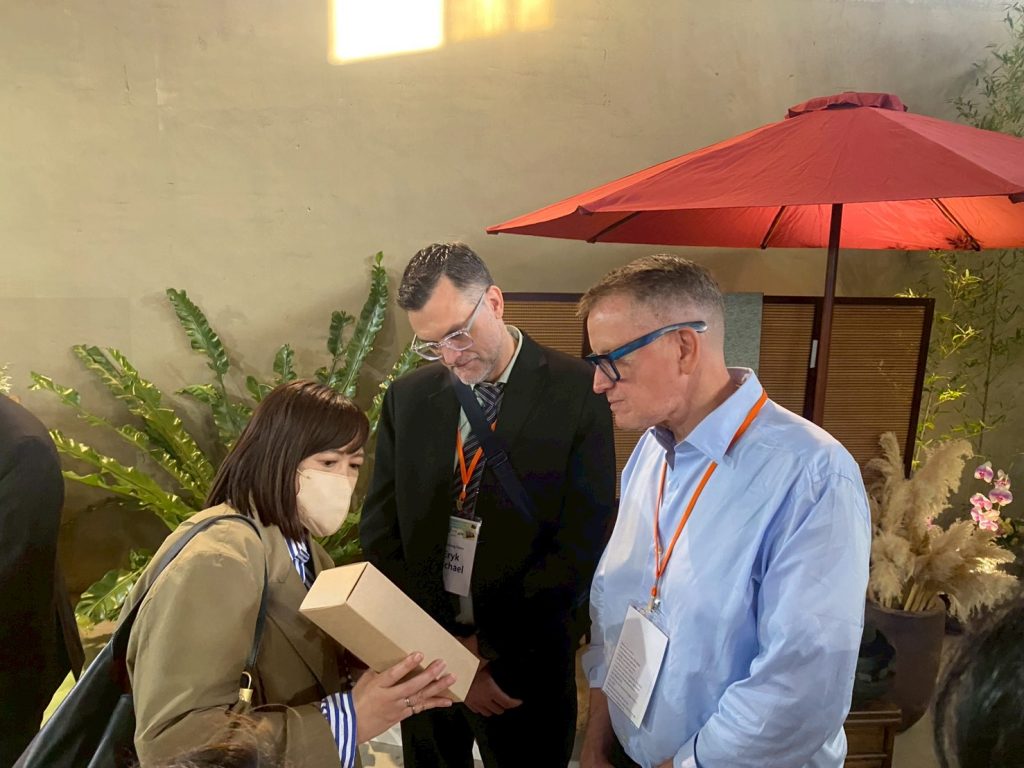
Hsu said the combination of temperature variation, humidity, soil quality, and careful processing produces a tea known for its rounded sweetness, layered aroma, and clean finish. These attributes have made Alishan tea one of Taiwan’s most recognized high-mountain varieties.
But Hsu emphasized that tea in Chiayi represents more than flavor. It carries memory, labor, and a way of life shaped by mountain environments. High-mountain tea, she said, documents how people adapt to land, weather, and time.
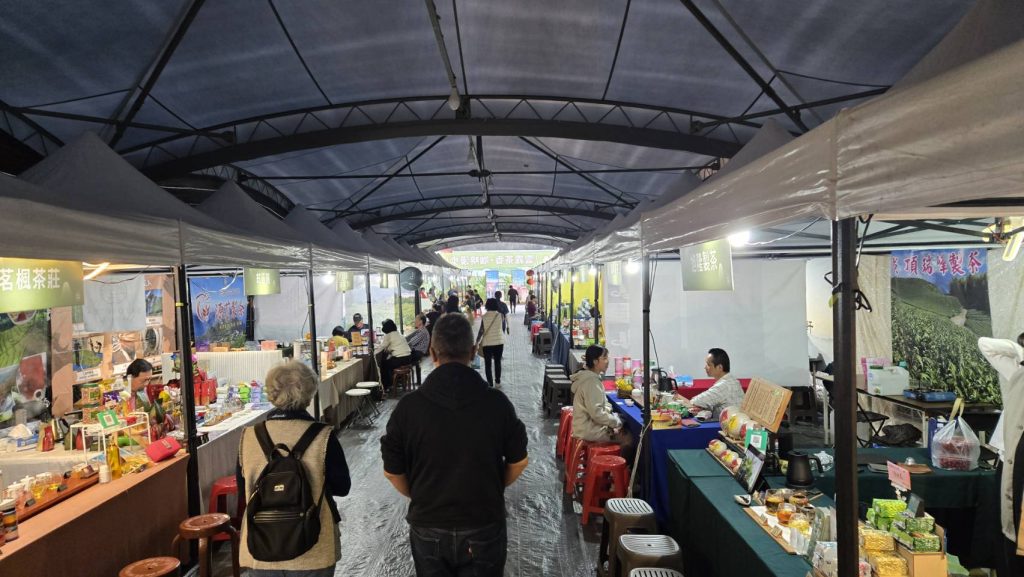
From Industry to Cultural Experience
This year’s High Mountain Tea Capital 2025 (高山茶都.嘉義 – or 2025 Tea Expo) event is built around the theme “One Cup of Tea, Enter a Mountain,” using tea as a medium to guide visitors into Chiayi’s mountain culture. Visitors are treated to tea ceremonies conducted by masters of the craft who patiently explain the history and logic behind every move, before handing guests a perfectly brewed cup.
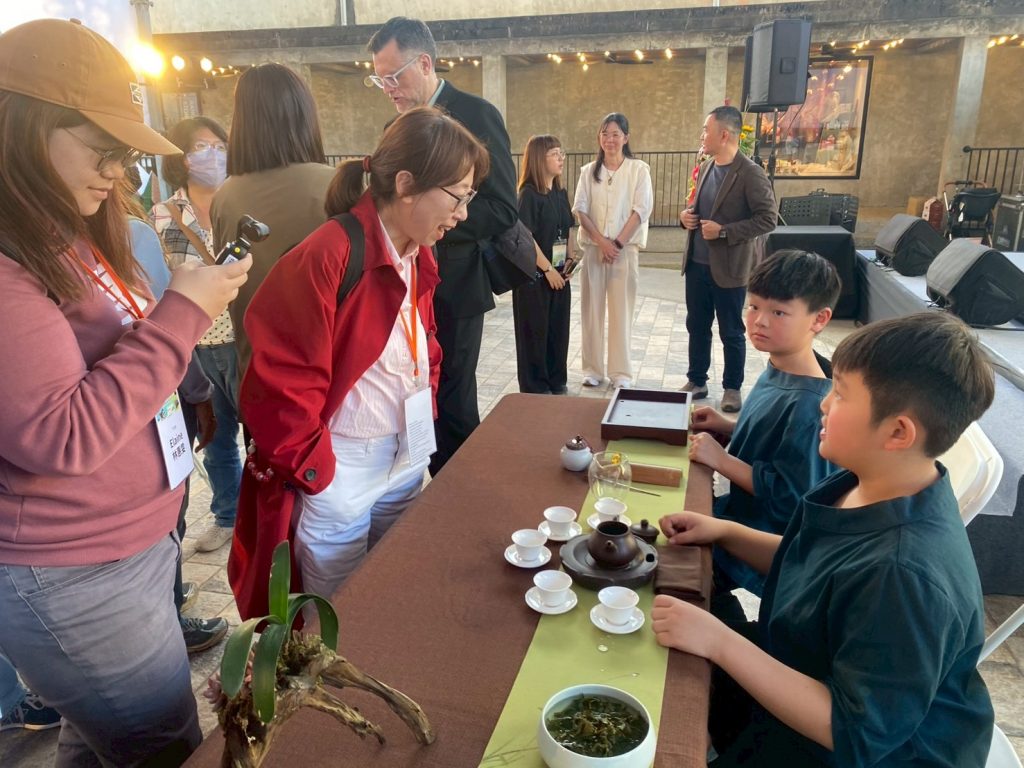
A standout feature involves schoolkids from the area who won tea ceremony competitions. The kids demonstrated their zen-like tea brewing skills.
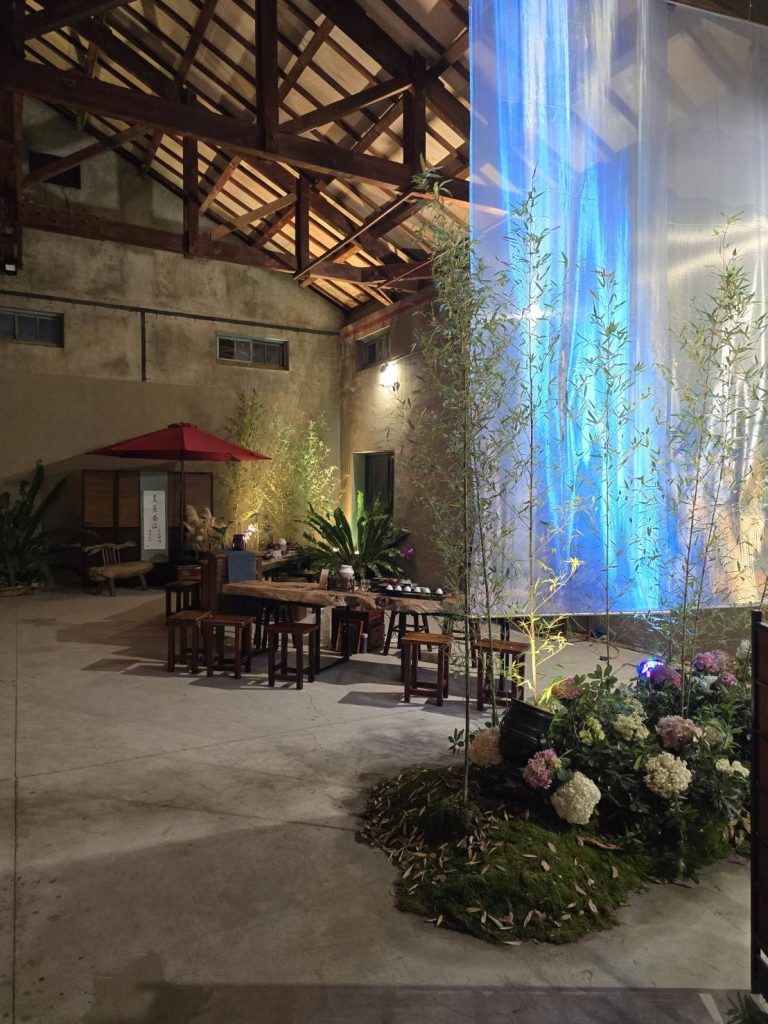
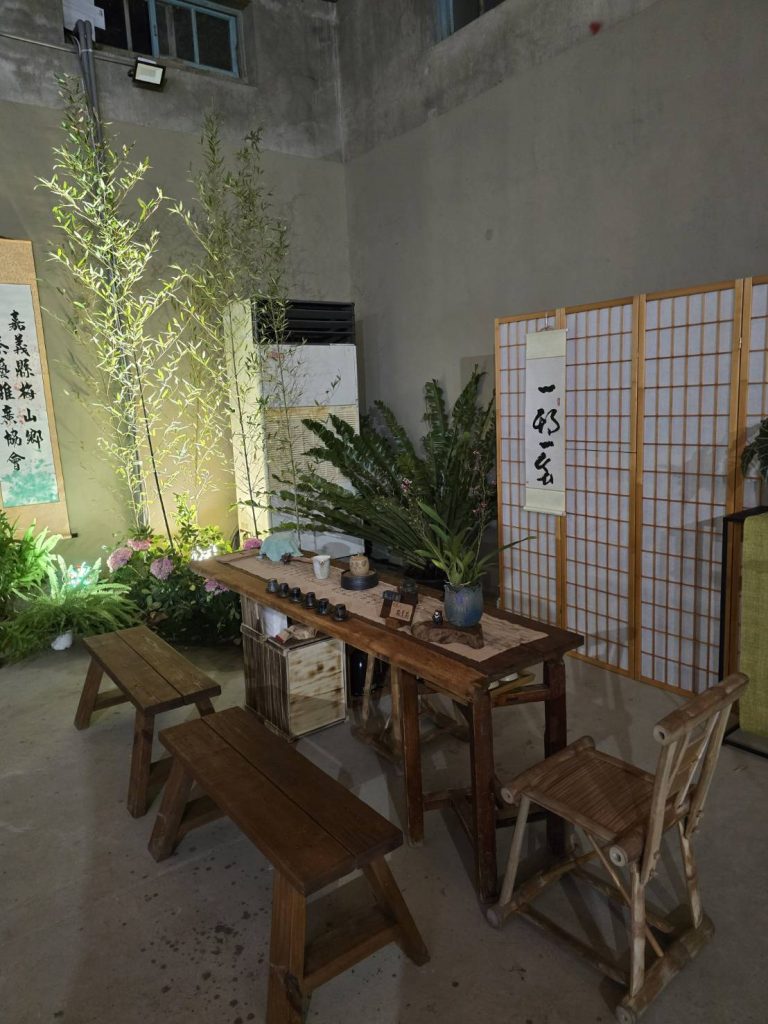
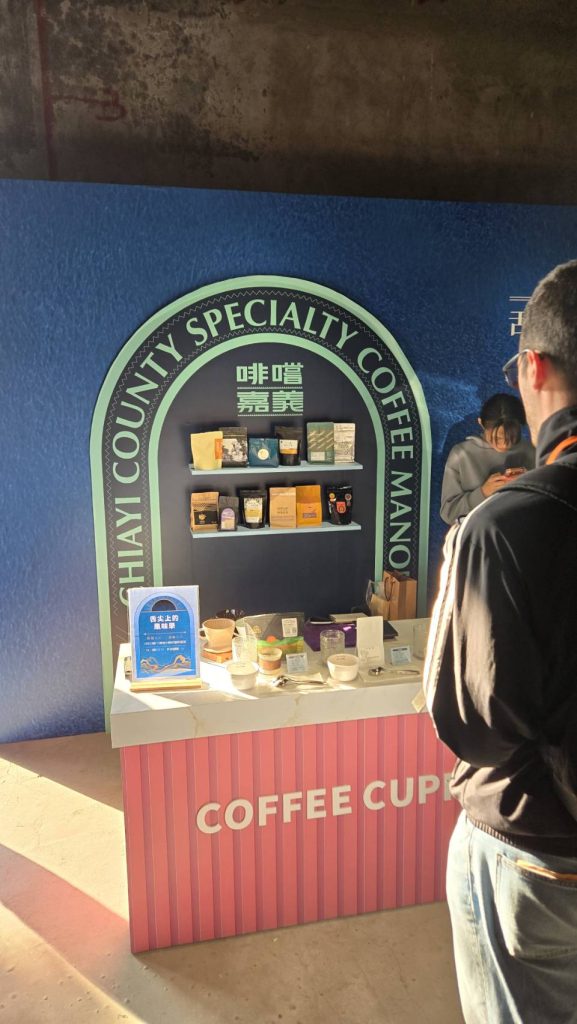
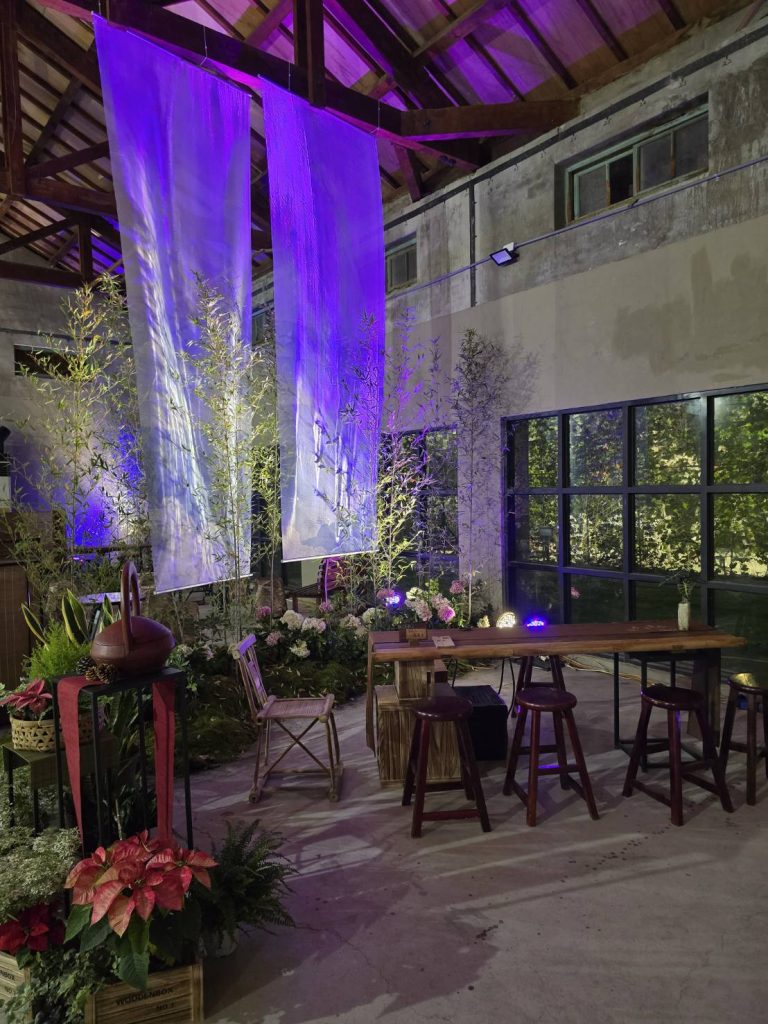
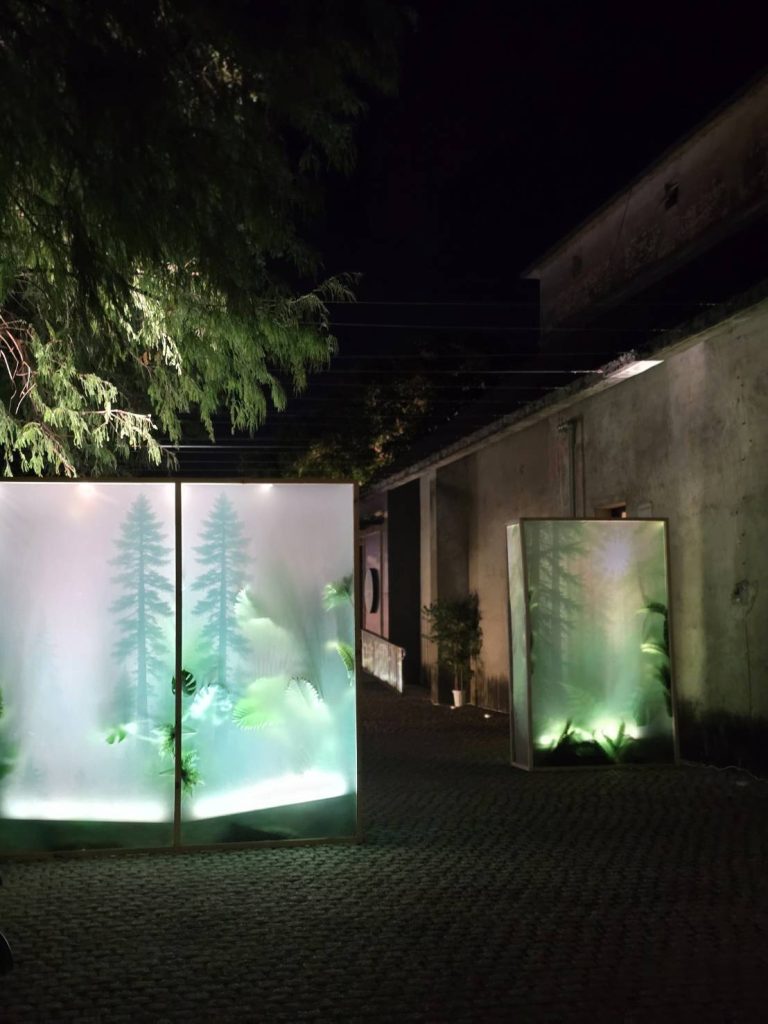
Held in warehouses that were fortunately preserved from the Japanese era, each exhibition space is carefully designed to integrate aesthetics with tea and, now increasingly, coffee culture.

The tea expo clearly aligns with Chiayi County’s broader cultural tourism strategy. Several sites in Chiayi connected to tea, craft, and local history were recently selected as part of the Ministry of Culture’s “Top 100 Cultural Bases” program. The county’s plan involves placing tea culture within a wider network of everyday cultural spaces rather than isolating it as a standalone product.
Looking Ahead
Hsu said the county government will continue to use flagship “expo” events to link tea culture with historic sites, creative industries, and international outreach. High-mountain tea, she said, provides an intuitive and accessible way for overseas audiences to understand Chiayi through taste, ritual, and landscape.
That approach will continue in 2026, when Chiayi hosts the Taiwan Lantern Festival from March 3 to March 15. The county plans to incorporate tea culture, creative curation, and urban design into festival programming as part of a broader effort to present Chiayi’s cultural identity to international visitors.
The expo runs through December 21st at the Chiayi County Zhongpu Grain Barn Agricultural Innovation Park.