
By TUNG Chen-Yuan, Ph.D.
In the geopolitically tense region of Southeast Asia, Singapore is not only known for its highly capable modern armed forces but also for its distinctive “elite officer system.” This comprehensive talent pipeline — spanning conscription, scholarships, career progression, and post-retirement transitions — covers the four pillars of “selection, cultivation, utilization, and retention,” making military elites a cornerstone of national governance.
Conscription as the Foundation for National Talent Selection
The implementation of National Service in 1967 laid the foundation for Singapore’s elite officer corps. All male citizens at the age of 18 are required to serve two years, during which the armed forces conduct multi-dimensional assessments based on academic performance, extracurricular activities, and service conduct. In effect, this system gives the military a “national talent database,” enabling early identification of young individuals with leadership potential — the first step toward cultivating military elites.
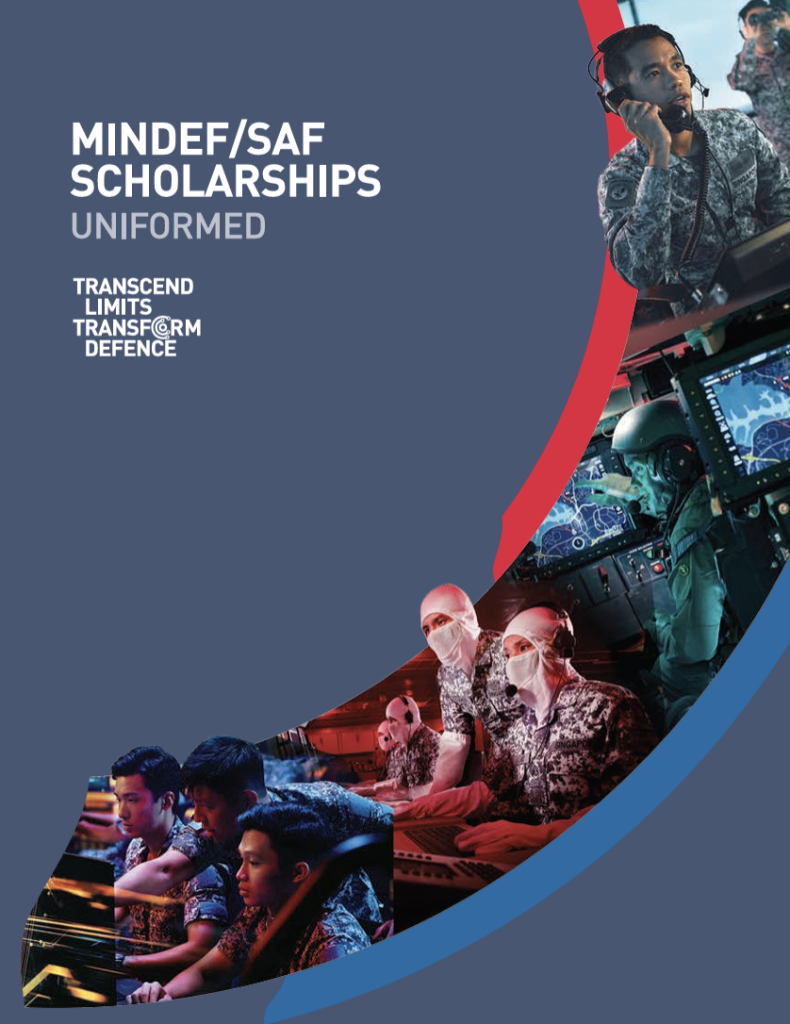
To make military service not merely an obligation but an opportunity, Singapore designed an attractive “Armed Forces Scholarship System.” Outstanding servicemen can receive full government sponsorship to study at top global universities such as Cambridge, Oxford, Harvard, or Stanford. The scholarship covers current salary, full tuition, living allowance, research funding, and annual bonuses. For young men who have yet to enter university — especially those from modest backgrounds — this represents not just a chance to attend world-class institutions but also a clear “pathway from soldier to elite,” a realistic route to transform their future.
Scholarships as a Lever for Global Talent Cultivation
The scholarship system is more than a financial aid mechanism — it is an institutionalized framework for talent development. From the outset, recipients sign service bonds with the armed forces and return upon graduation as second lieutenant, embarking on clearly mapped career trajectories. As they rise quickly through the ranks, these officers rotate through diverse military and administrative roles, lead major exercises and policy initiatives, and progressively develop high-level leadership and decision-making resilience. The Singapore Armed Forces (SAF) also encourages them to engage in international forums, host seminars, and give public talks, broadening their strategic perspectives and global networks.
The intellectual and professional capital these officers acquire abroad often becomes invaluable for future civil-military collaboration and strategic diplomacy. Statistics show that most Chiefs of Defense Force in Singapore have graduated from elite universities such as Harvard, Cambridge, Oxford, Yale, the London School of Economics, and MIT. Their combination of military professionalism and global vision is a key reason Singapore can navigate complex security and technological challenges with agility.
A Utilization Logic Built on Responsibility and Agility
In Singapore’s military, “utilization” means embracing challenge and speed. Elite officers are often assigned to high-intensity roles — organizing the National Day Parade, coordinating inter-ministerial exercises, or chairing international security forums — and may hold multiple concurrent appointments. This high-responsibility, multi-tasking approach maximizes their professional potential while cultivating exceptional management skills and cross-sector integration under pressure.
Career progression for these officers is markedly faster than for regular personnel: most are promoted to Major before 30 and to General between 37 and 40. This compressed timeline reflects Singapore’s meritocratic ethos, breaking away from seniority systems and establishing a genuine “talent-first” culture that rewards capability and performance.
Retention through Incentives and Career Design
Singapore adheres to a long-standing principle of “competitive compensation to attract talent.” Military salaries are typically 20% higher than equivalent civil service grades. From junior to senior ranks, pay scales increase substantially, complemented by re-enlistment bonuses and opportunities for overseas education, making military service a highly attractive career path. Mid- and senior-level officers often pursue cross-sector rotations, serving in the Ministry of Defense or other government agencies before 40, preparing them for future roles as senior civil servants or corporate executives.
Notably, pension reforms in the 1990s replaced the old lifetime pension with an “accumulated account system.” This not only reduced fiscal burdens but also removed institutional barriers preventing officers from transitioning careers, enabling elite officers to move freely into the public or private sectors after age 40. Several former Chiefs of Defense have since become Permanent Secretaries, Ministers of State, or senior corporate leaders — forming an interlinked ecosystem of talent spanning the military, civil service, and industry.
The Social Consensus: “An Officer Is an Elite”
Singapore’s elite officer system has evolved beyond the military sphere to become a pillar of national talent strategy. The armed forces are not merely defenders of the nation but incubators of leadership, governance, military diplomacy, and strategic expertise — continuously supplying top-tier talent to both government and enterprise. Through its structured process of “selecting, cultivating, utilizing, and retaining,” the defense sector has become integral to the nation’s talent architecture, laying a solid foundation for capable leadership and effective governance — and gradually shaping a powerful social consensus: in Singapore, to be an officer is to be an elite.
About the Author:
Taiwanese scholar Dr. Tung Chen-yuan (童振源) is currently Taiwan’s representative in Singapore. This article was first published on his LinkedIn account and is republished with permission.