
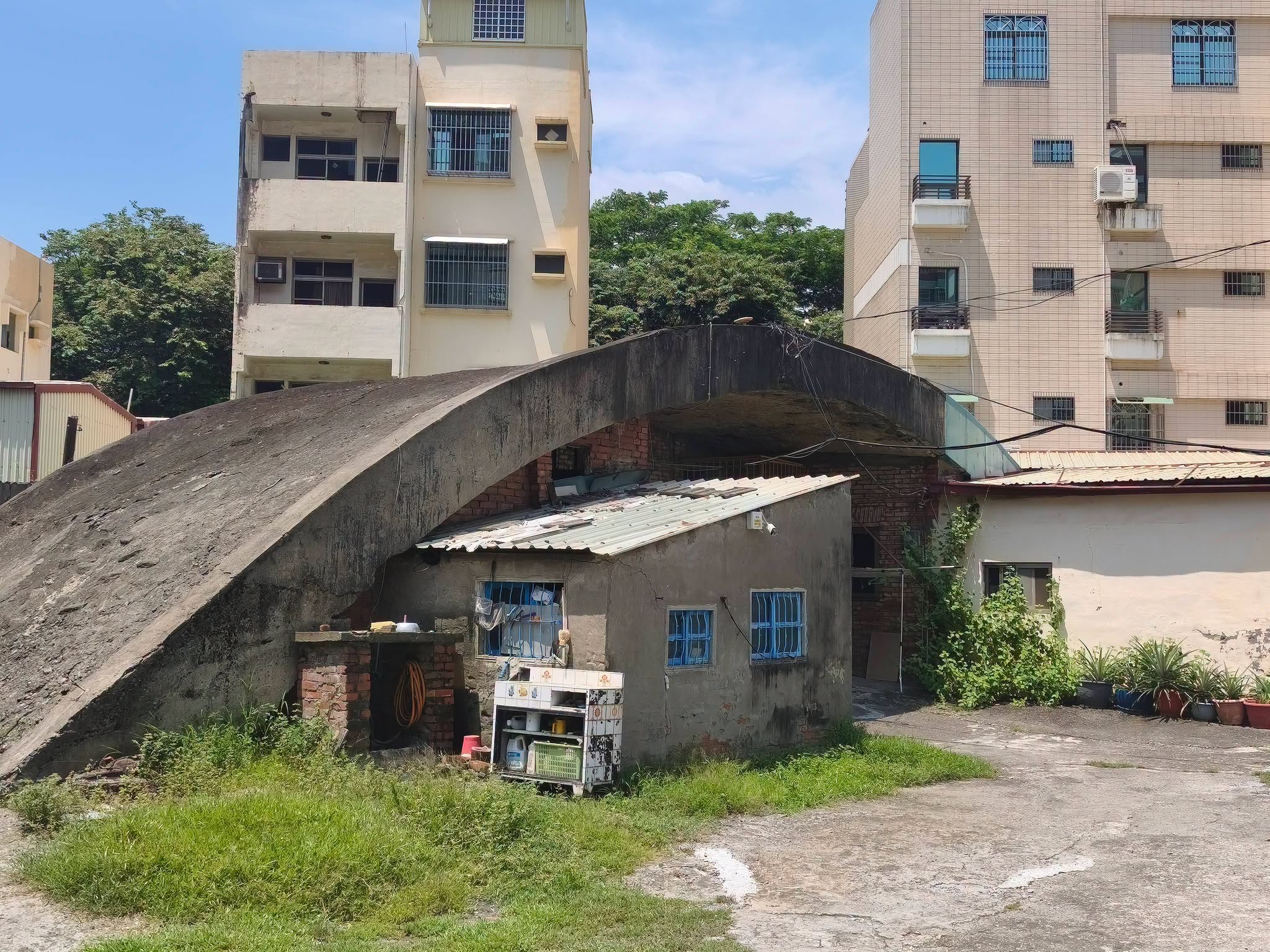
By KHT Staff. Images via 簡義倫/FB.
KAOHSIUNG — A recent Facebook post about a strange, dome-like structure beside Feiji Road (飛機路) has drawn new attention to one of Kaohsiung’s less visible World War II legacies: concrete shelters built to hide military aircraft.
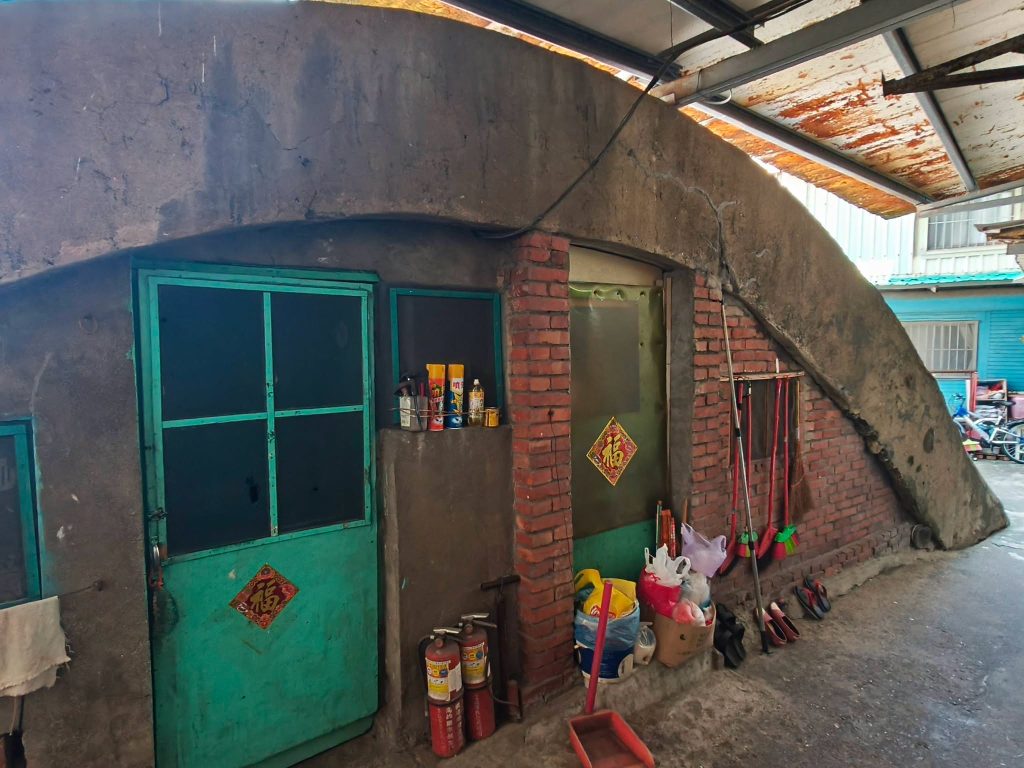
The post’s author wrote that they had initially assumed the structure was an enormous air-raid shelter for people. Research later showed that it was an aircraft shelter, or jibao (機堡), built around the former Siaogang Airfield.
A few streets near Kaohsiung International Airport, several of these structures still stand among modern homes and small businesses.
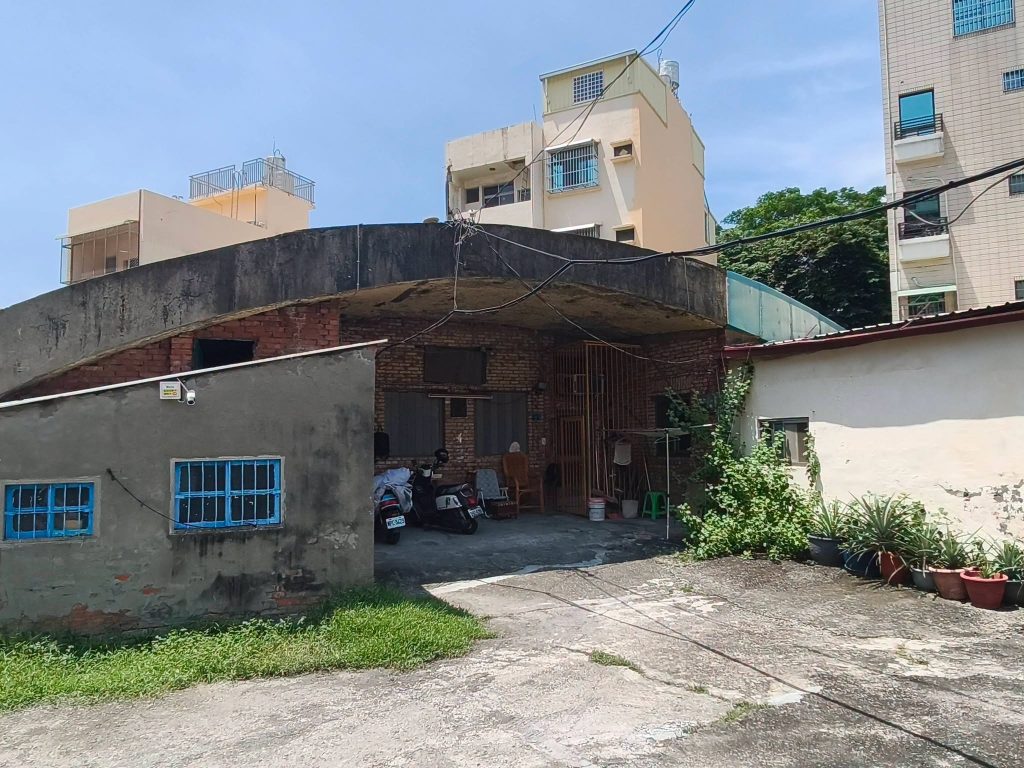
They are not oversized air-raid shelters for people. They were built to protect military aircraft.
The structures are remnants of Siaogang Airfield (小港飛行場), also known in historical records as Lingyaliao Airfield (苓雅寮飛行場). Construction began in 1942 under the Japanese Army and was completed in late 1944, according to historical material held by the National Archives Administration and the Kaohsiung International Airport.
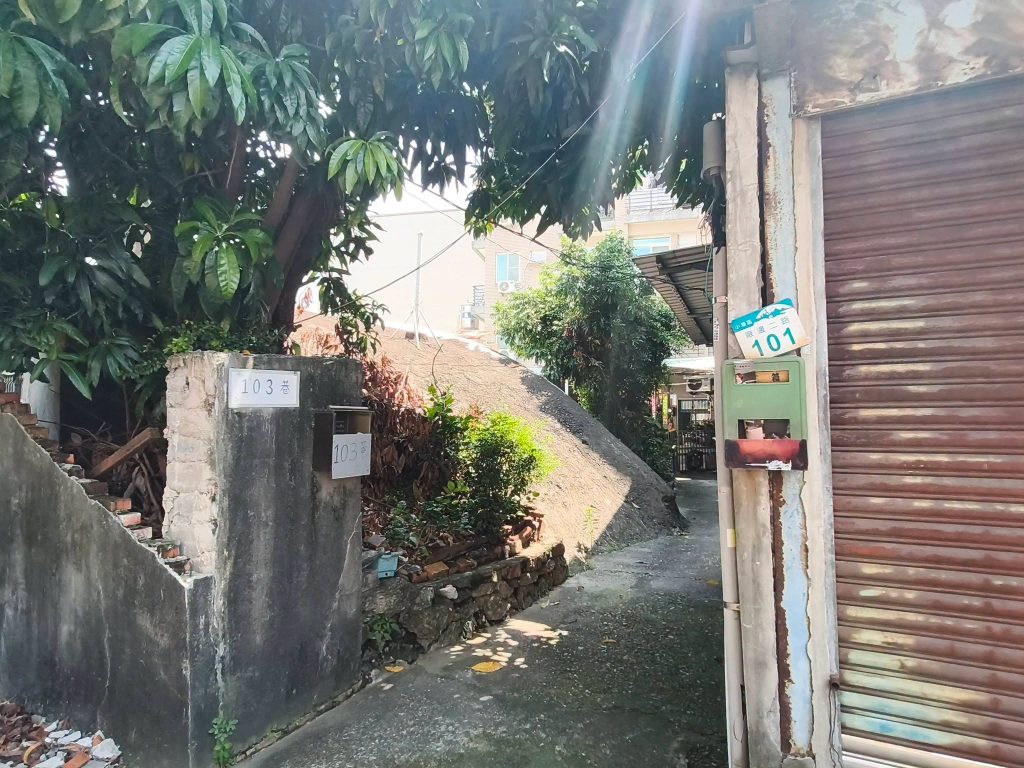
The airfield had two runways and was one of the Japanese Army’s major aviation facilities in southern Taiwan. The heavy, arched concrete shelters around its perimeter allowed aircraft to be concealed and protected from air attack.
After World War II, the airfield was taken over by the Republic of China Air Force. In 1965, it was transferred to the Civil Aeronautics Administration and gradually developed into today’s Kaohsiung International Airport.
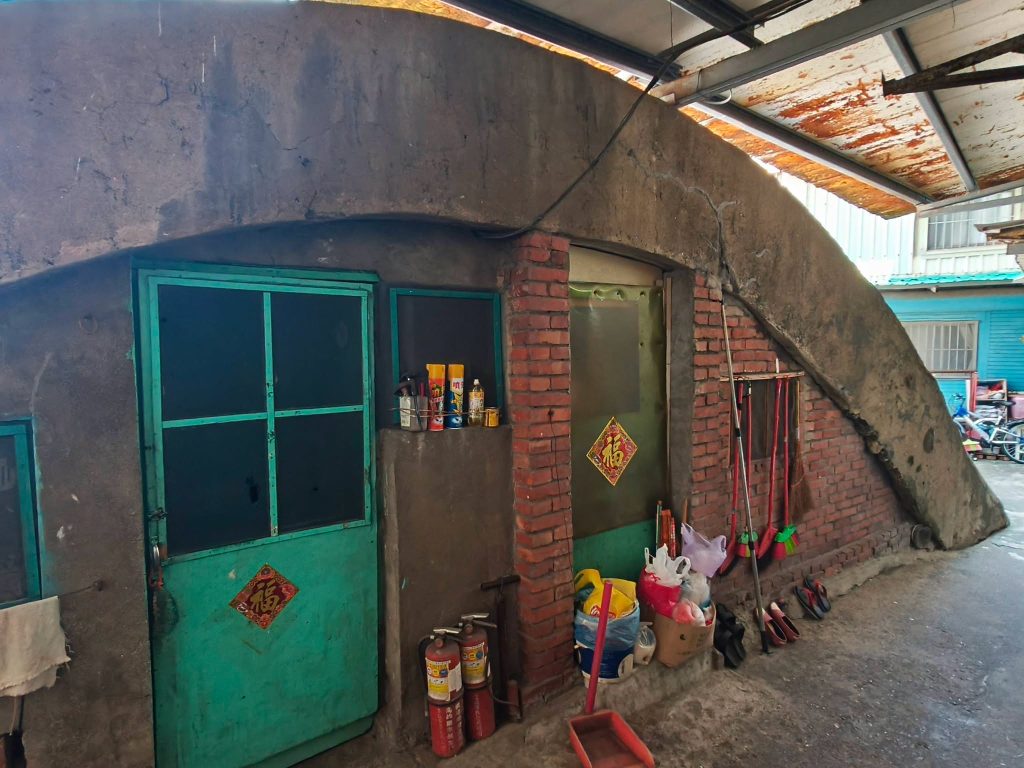
The National Cultural Memory Bank records surviving shelters on both sides of the former airfield. Local heritage records identify five remaining structures: two in Guilin Borough (桂林里), one in Jhongcuo Borough (中厝里) and two in Jinan Borough (濟南里).
Their later histories vary. Some have been left vacant. Others have been adapted for other uses, including homes. Reporting in 2023 found that three of the five shelters were occupied, although that figure should not be treated as a current count without a new survey.
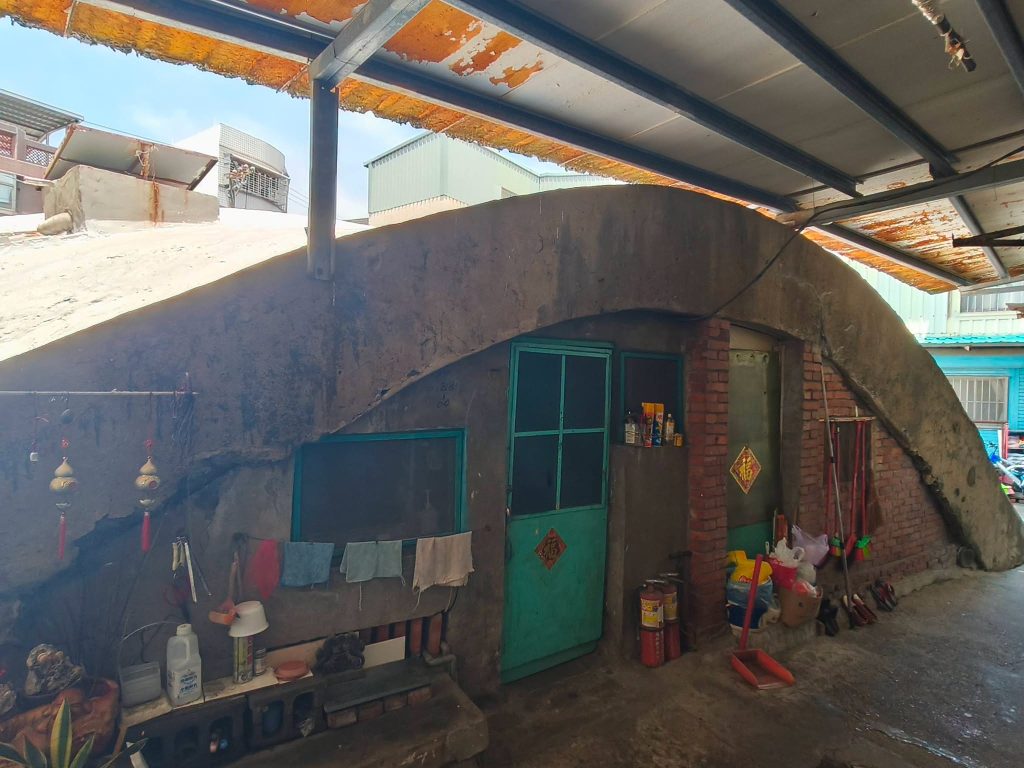
The shelters are easy to mistake for unusually large bunkers or storage buildings. Their original purpose, however, was much more specific: to hide aircraft at a military airfield during wartime.
They are also a reminder that the land around Kaohsiung’s modern civilian airport was once part of a much larger military landscape.
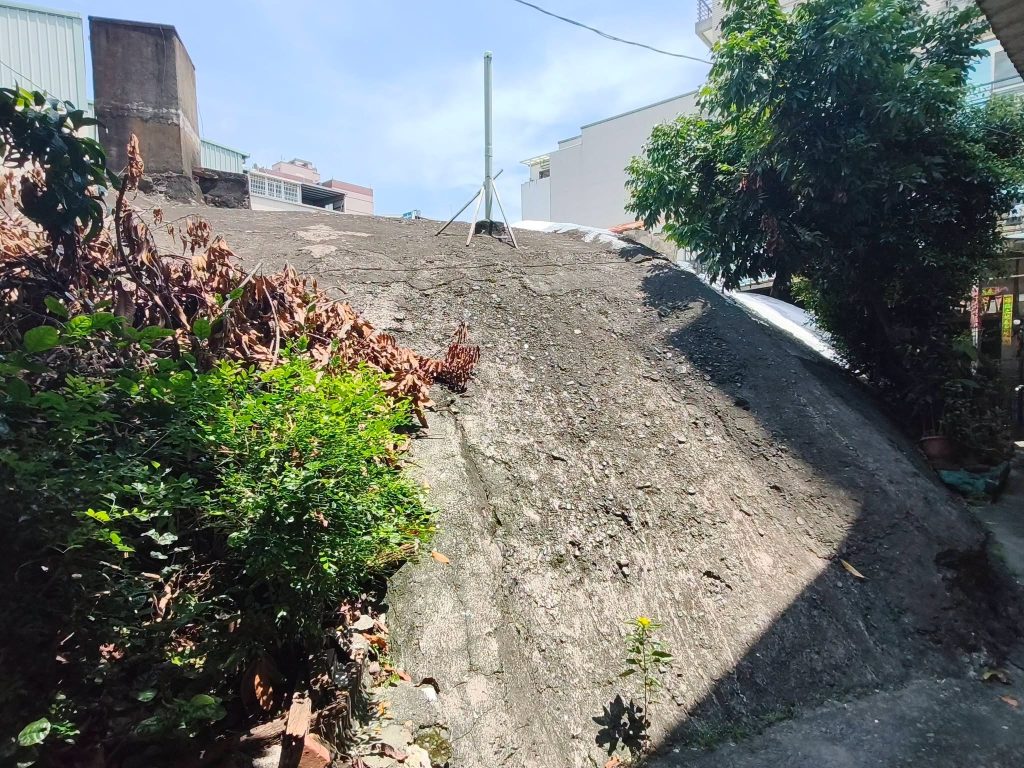
Several shelters are on or beside private property. Visitors should view and photograph them only from public roads and should not enter or disturb nearby homes.
Sources: Kaohsiung International Airport; National Archives Administration; National Cultural Memory Bank