
By Eryk Michael Smith/Formosa TV/Taiwan EBC News/Facebook 台灣好基金會 x 潮南深耕
PINGTUNG — Long associated with public health concerns, land degradation, and a lingering social stigma, betel nut is rarely discussed in Taiwan as a source of innovation. It is more often framed as a problem crop than a productive one. A recent episode of Formosa TV’s In the Name of Dissent《異言堂》offers a different lens, treating betel nut not as a consumable, but as a material.
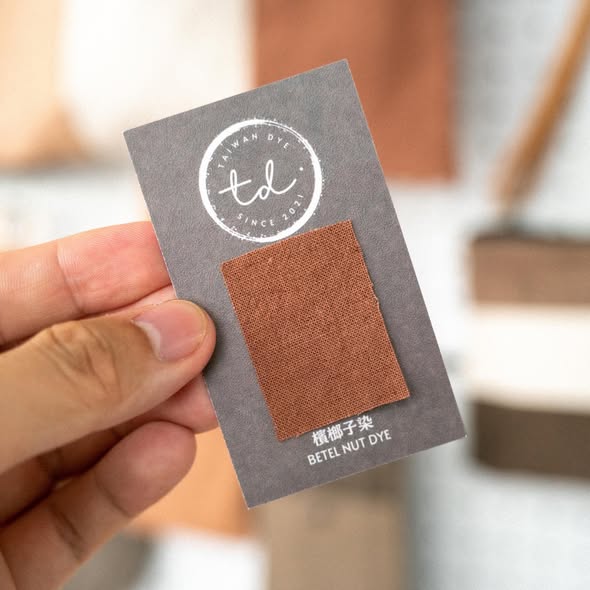
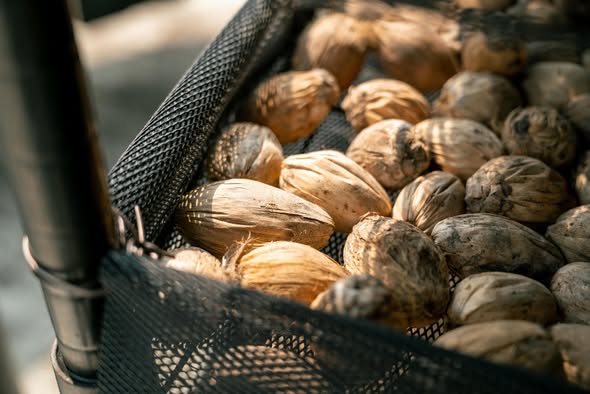
The program profiles Wang Yi-fan (王一帆), a Taiwan-based entrepreneur who has revived a long-forgotten plant dyeing technique using betel nut. Raised in Taipei, Wang married into a Hakka family and later relocated with his wife to her hometown in Pingtung (屏東). There, surrounded by vast betel nut plantations, he began asking a practical question rarely posed in contemporary Taiwan: what else could this crop be used for?
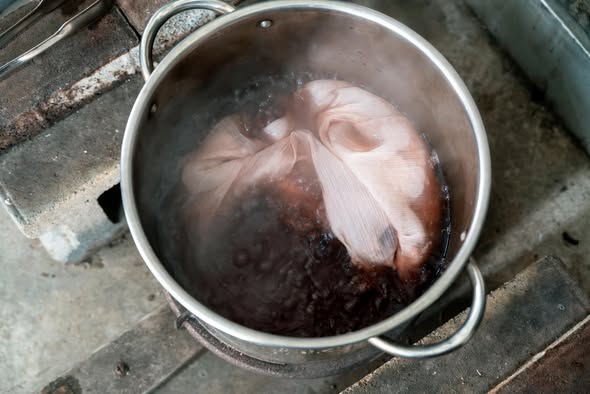
Through years of archival research and experimentation, Wang rediscovered historical methods once used to produce deep, durable dyes from betel nut, techniques that had largely disappeared, even locally. Today, his work has repositioned an overlooked agricultural byproduct as a material for sustainable design, linking rural Taiwan to international conversations about craft, reuse, and environmental responsibility.
Another report: