
By Eryk Michael Smith / Staff. Images via Talent Taiwan.
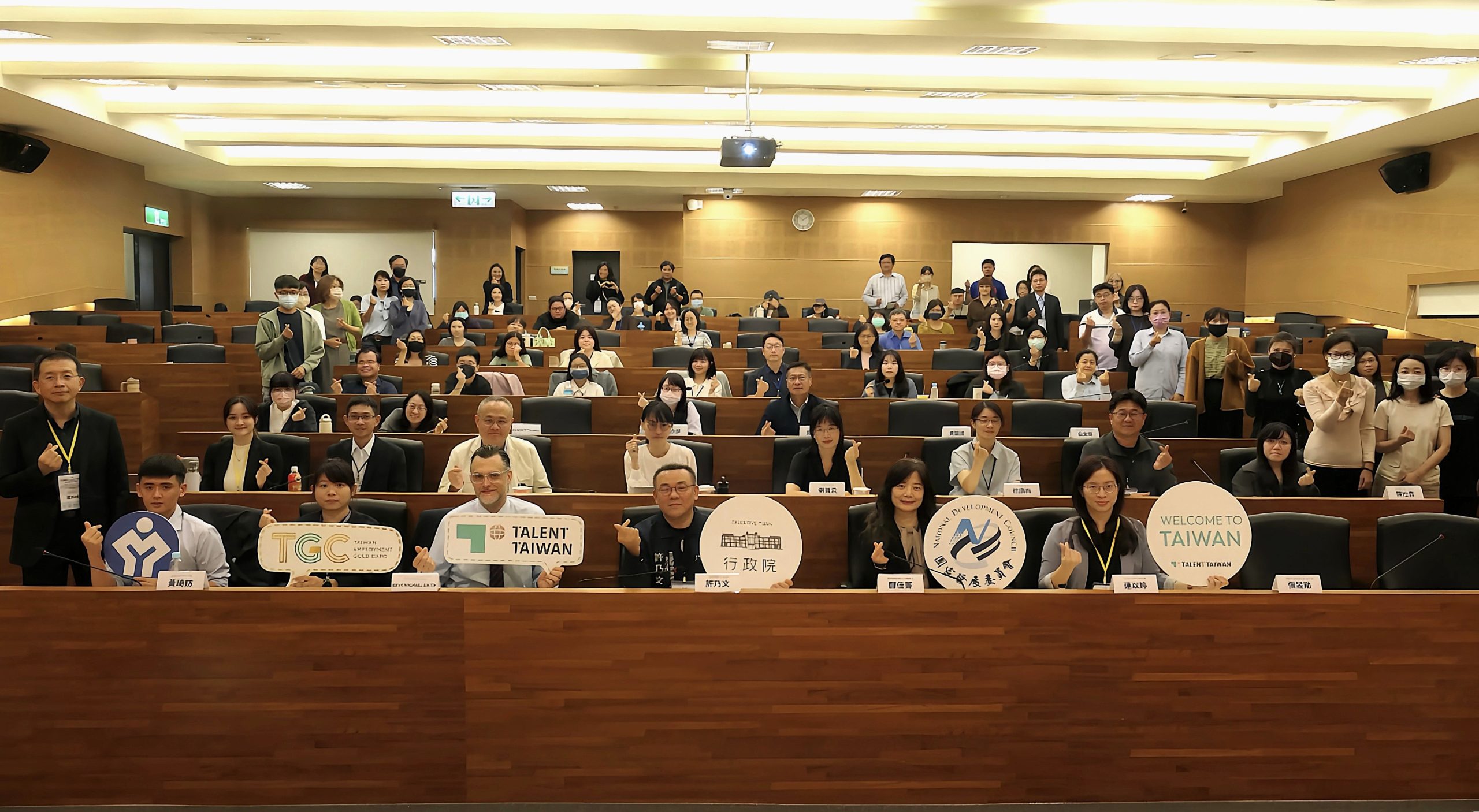
KAOHSIUNG — The Executive Yuan’s Southern Taiwan Joint Services Center (STJSC) hosted a briefing on Wednesday (March 18) to outline new amendments to the Act for the Recruitment and Employment of Foreign Professionals, aimed at bolstering Taiwan’s international competitiveness amid a shrinking domestic workforce.
The seminar, held in coordination with the National Development Council (NDC), the Ministry of Labor, and the National Immigration Agency, focused on recent legal changes designed to attract and retain global talent.
Strategic Talent Recruitment
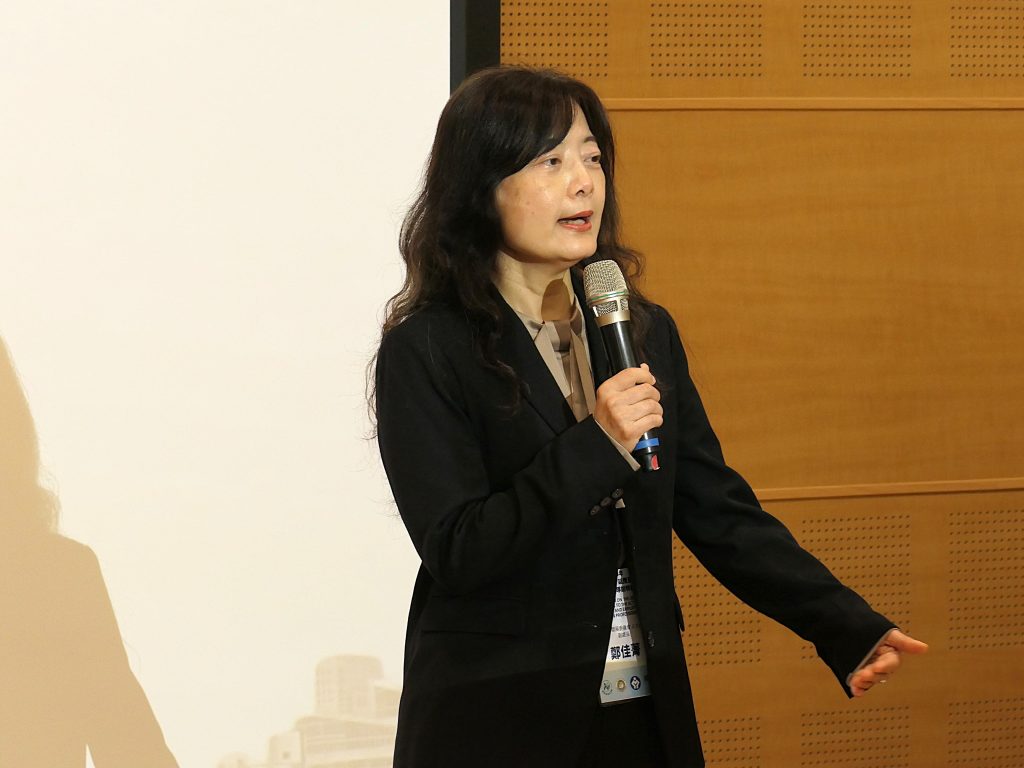
According to NDC Deputy Director Cheng Chia-ching (鄭佳菁), the three biggest challenges facing the domestic labor market are a low birth rate, an aging population, and intense competition for talent from neighboring countries.
According to NDC statistics, the number of foreign professionals in Taiwan reached nearly 80,000 by the end of 2025. With the implementation of these relaxed measures, the government projects that the population of foreign professionals will exceed 120,000 by 2028.
Key Policy Highlights
The updated regulations, which officially took effect on Jan. 1, 2026, include:
- Expanded Eligibility: Graduates from the world’s top 200 universities can now work freely in Taiwan. Furthermore, the two-year work experience requirement has been waived for graduates from the top 1,500 global universities.
- Pathways for Overseas Students: International students graduating in Taiwan with an associate degree or higher can now extend their residency to seek employment with “zero threshold” barriers.
- Family Support: Spouses of “senior” and “special” foreign professionals are now eligible to apply directly for personal work permits, a move intended to encourage long-term settlement.
- Permanent Residency (APRC): Foreign special professionals can now apply for permanent residency in as little as one year.
- Social Safety Net: Foreign professionals with permanent residency are now eligible for Employment Insurance and the Labour Pension System. Additionally, those who have resided in Taiwan for 10 years may qualify for long-term care and disability services.
The STJSC emphasized that institutional support is vital for ensuring that global experts can “root themselves” in Taiwan, a theme also highlighted on the Talent Taiwan website: “Taiwan is no longer just looking for ‘workers’—it is looking for residents.”
Officials acknowledged that while the reforms mark progress, further changes may be needed to improve competitiveness and clarity. Sideline discussions included longer-term ideas such as adjustments to naturalization rules, though no specific policy shifts were announced.