
By Jerry Amato
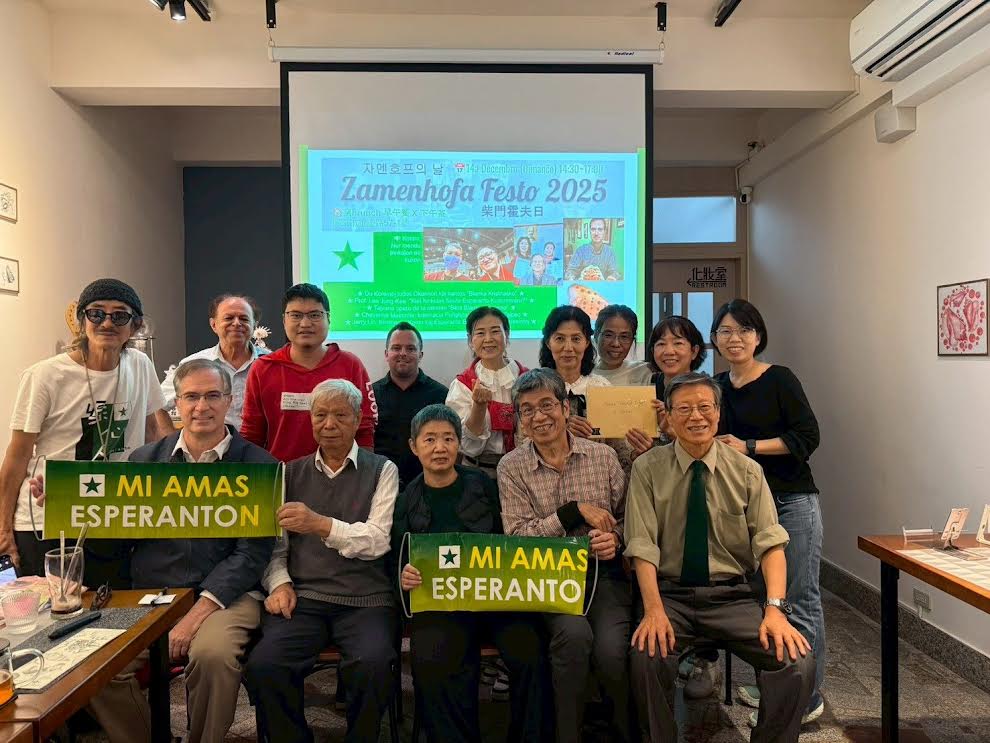
PINGTUNG — For people in southern Taiwan who want to practice foreign languages or meet international residents without leaving the island, an unexpected option exists in Pingtung: an active Esperanto club that brings together locals and foreigners through a shared, neutral language.
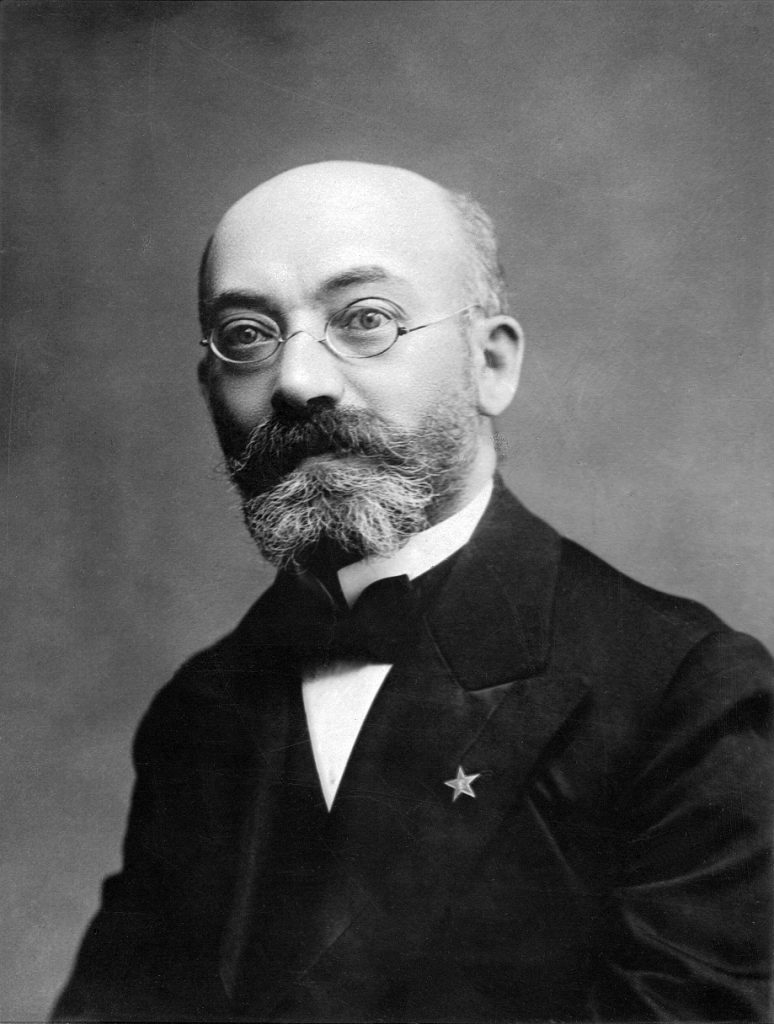
Esperanto was created in 1887 by a Polish Jewish ophthalmologist, L. L. Zamenhof, who lived in a multilingual city under Russian rule. Frustrated by ethnic divisions, he designed a simplified international language to help people communicate on equal terms. The idea quickly spread across Europe, with speakers corresponding by mail and later organizing international gatherings.
Taiwan has its own Esperanto history dating back to the Japanese colonial period, and the community remains active today. The Pingtung Esperanto Club meets about once a month, usually in the Pingtung area, with an annual gathering held each year. Attendance ranges widely, from small discussions to meetings of several dozen participants.
Meeting topics vary from practical language practice to cultural and technical presentations. Past sessions have included Taiwanese idioms translated into Esperanto, Braille usage, Antarctic sailing experiences, and even musical performances. While Esperanto practice is central, members also communicate in other languages as needed, making the club accessible to beginners.

Participants come from diverse backgrounds, including Taiwan, France, Iran, the United States, Japan, Korea, the Netherlands, Hong Kong, and mainland China. Members range from students to retirees, with varied political views, professions, and interests.
Some local Esperantists have used the language to travel and stay with speakers in Japan, South Korea, and Singapore. Others exchange postcards with international pen pals. For many, the appeal lies not only in travel but in forming meaningful friendships with people living in Taiwan.
The group does not keep formal membership rolls, but its LINE group has more than 60 members, reflecting fluctuating levels of participation and language ability. Esperantists can also connect worldwide through Amikumu, a mobile app designed to help speakers find one another globally.
One club member recently received an international “Teacher of the Year” award for Esperanto instruction and now teaches weekly online classes. Courses are available for learners at all levels.
Esperanto translates loosely as “one who hopes,” and many long-time speakers say the language creates a rare neutral space, free from national or ethnic dominance. Because the grammar is highly regular, learners often reach conversational ability quickly.
For residents of southern Taiwan looking for international connections without boarding a plane, the Pingtung Esperanto Club offers an unusual gateway, one built not on passports, but on shared curiosity and conversation.
For more info, contact Reza – 0925179757
email rezaesperanto@gmail.com