
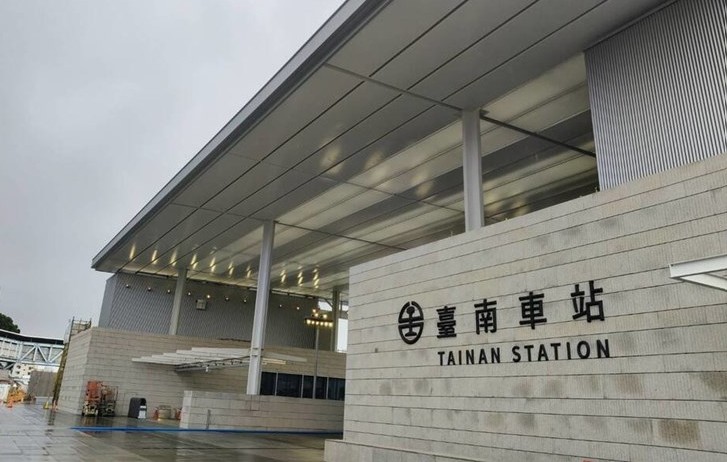
By KHT Staff. Photo of new Tainan Train Station via Taiwan Railway Bureau.
TAINAN — Trains will begin running underground through central Tainan on Saturday, Oct. 17, opening the first stage of a railway project intended to reconnect neighborhoods divided by surface tracks.
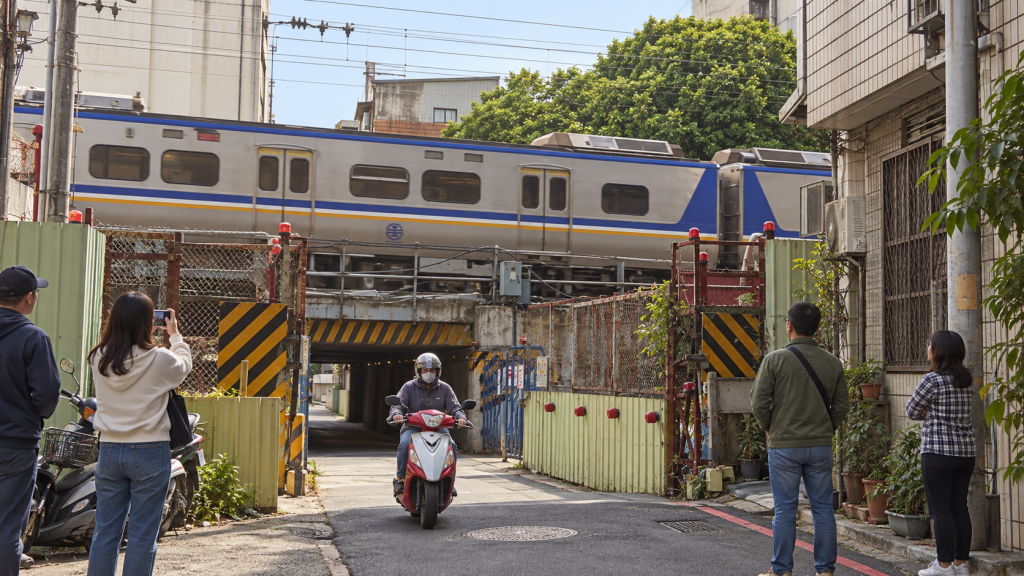
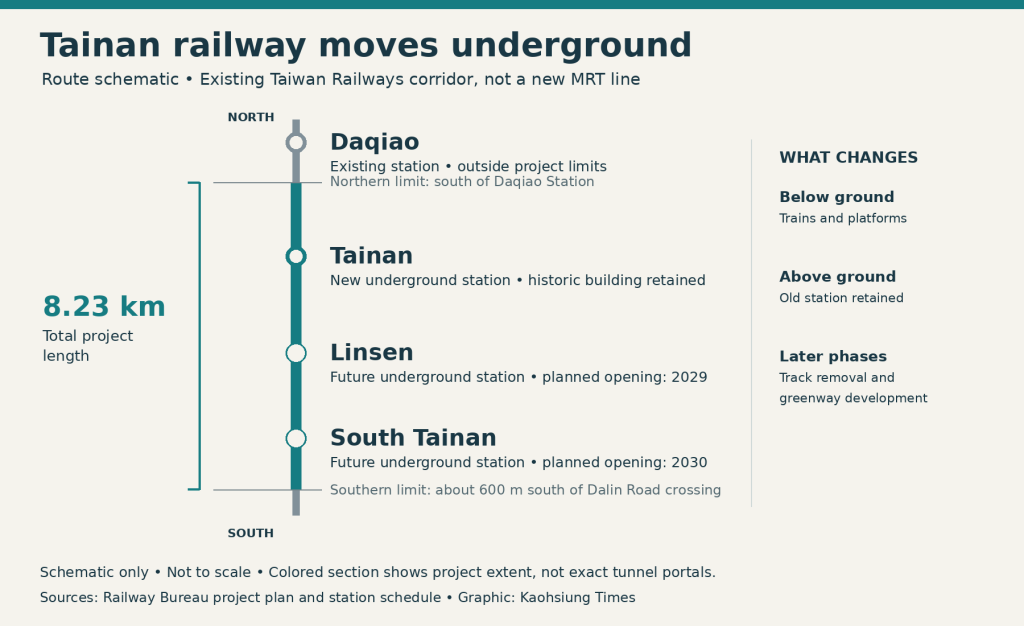
The 8.23-kilometer underground section is part of a project that will eliminate 23 railway crossings and related structures, according to the Ministry of Transportation and Communications. Once the old tracks are removed, the corridor is planned to become a greenway approximately 30 meters wide, with walking and cycling paths.
Approved in 2009, the project’s budget has risen from NT$33 billion to NT$41.26 billion. CNA’s report on the opening and station redevelopment says full completion is scheduled for March 2031.
Saturday’s opening does not mark the end of construction. Surface tracks and structures must still be removed, roads restored, and pedestrian connections improved. Two additional underground stations, Linsen (林森站) and South Tainan (南臺南站), are scheduled to open in 2029 and 2030, respectively.
The historic Tainan Station building (臺南車站) will remain beside the new underground facility. Rail service at the station began in 1900; the surviving building dates to 1936 and became a national monument in 1998.
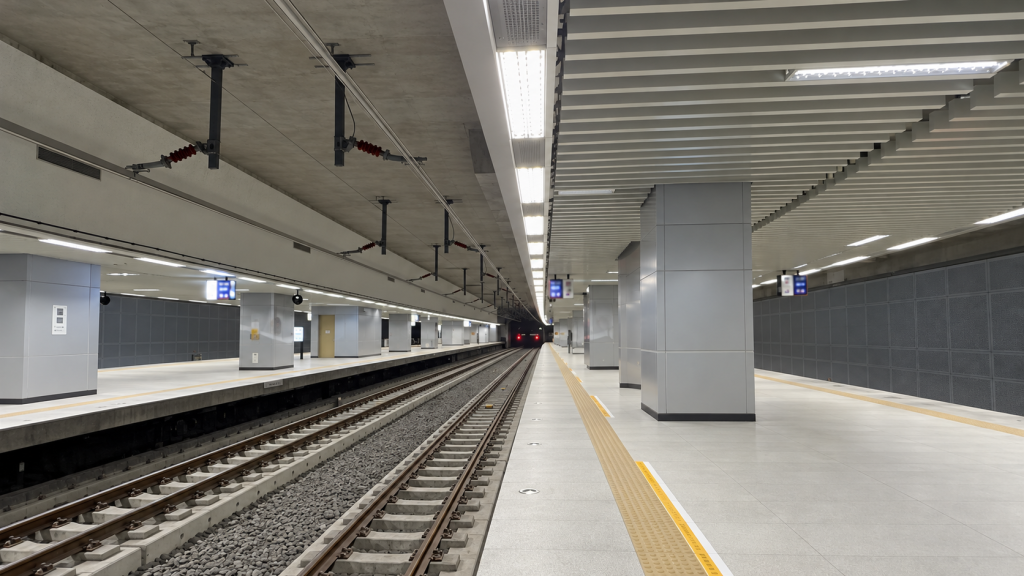
Taiwan Railway Corp. said possible future uses for the historic building include cafés, local souvenir shops, reading areas and exhibitions. Those plans remain under discussion.
Fu Chao-ching (傅朝卿), an emeritus architecture professor at National Cheng Kung University (國立成功大學), told CNA that keeping the station beside its replacement preserves its connection to the city center.
Construction also uncovered 20 archaeological sites, with remains ranging from prehistoric times to the Japanese colonial period. The Railway Bureau said investigations and preservation work added about two years to the schedule.
The project’s longer-term impact will depend on how the former rail corridor is developed into public space and connected with surrounding communities.