By Eryk Michael Smith / Staff
Photos via “Save the Ciaotou Sugar Factory Hundred-Hectare Forest” (搶救橋頭糖廠百頃森林) FB page
KAOHSIUNG — Preservation advocates say the Ciaotou Sugar Factory (橋頭糖廠) is more than a standalone historic site. It sits at the heart of a much larger ecological and cultural landscape commonly known as the “Hundred-Hectare Forest” (百頃森林), an area they warn could be permanently fragmented if current development plans move forward.
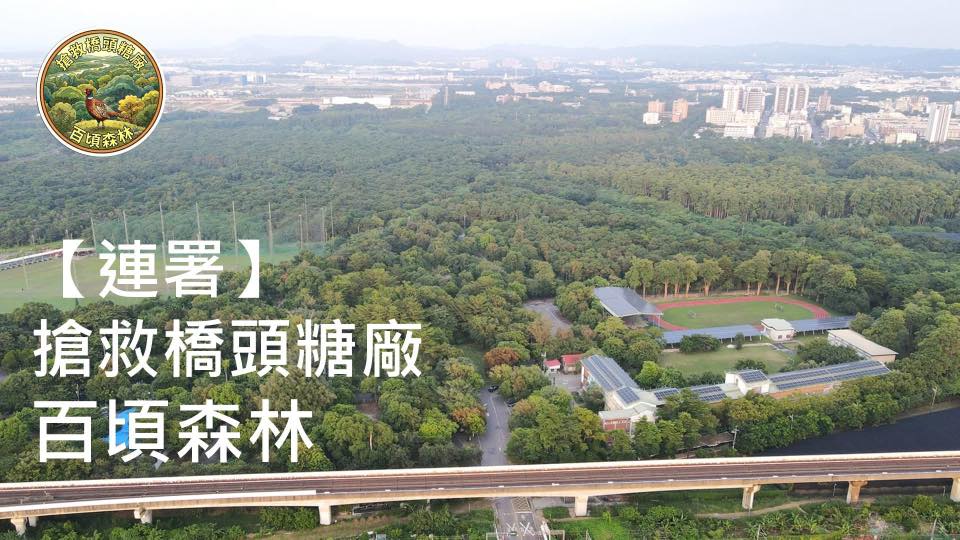
Civic groups argue that the forested land surrounding the former sugar refinery represents one of northern Kaohsiung’s most significant remaining green spaces, supporting both wildlife habitat and public use. They say large-scale development would not only disrupt the historic setting of the sugar factory but also erase an irreplaceable urban forest.
While the Hundred-Hectare Forest is not an official designation, the name is widely used to describe the extensive tree cover surrounding the sugar factory, including historic rail lines, irrigation canals, and open green space that developed alongside the site.
The Facebook page for “Save the Ciaotou Sugar Factory Hundred-Hectare Forest” (搶救橋頭糖廠百頃森林) puts it like this:
Beside the MRT stands the century-old Ciaotou Sugar Factory, where a precious expanse of forested green space now faces the threat of being “cut open” by the National Land Management Agency—trees felled and roads laid through its heart. After 28 years of new town development, more than 70 percent of the land remains idle, raising the question: why must this Hundred-Hectare Forest, which helps moderate extreme heat, purify the air, and absorb rainwater, be sacrificed?
What we need is not more concrete, but green space where people and nature can coexist. Join us in protecting our shared green future.
A cornerstone of Taiwan’s sugar industry
Historically known as the Ciaozitou Sugar Factory (橋仔頭糖廠), the site is recognized as Taiwan’s first modern, mechanized sugar refinery, with construction dating to around 1901 during the early Japanese colonial period. Its establishment marked the beginning of large-scale industrial sugar production on the island.
Today, the preserved factory complex forms the core of the Taiwan Sugar Museum (台灣糖業博物館), which opened in 2006. The site features sugar-production infrastructure, Japanese-era industrial buildings, and worker housing that together document the area’s industrial and social history.
The forest beyond the factory
Beyond the historic structures lies the forested area at the center of the preservation debate. Groups such as the Taiwan Forest City Association (台灣森林城市協會) describe the Hundred-Hectare Forest as a rare example of a large-scale urban forest in Kaohsiung, with ecological, recreational, and water-management value.
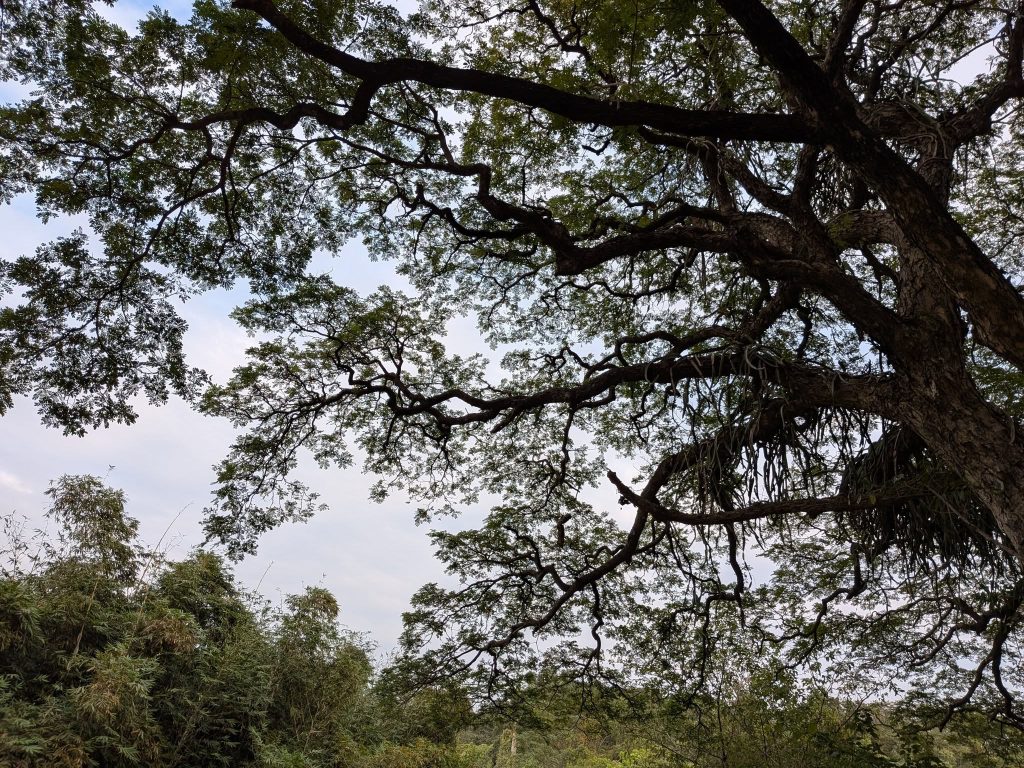
Advocacy groups point out that the tens of thousands of mature trees in this forest provide habitat for bird species and function as a natural buffer for drainage and flood mitigation in the northern parts of the city.
Development pressure from Ciaotou New Town plans
The controversy intensified after the Ciaotou New Town Phase 3 (橋頭新市鎮第三期) planning process accelerated. Reporting by News & Market (上下游新聞市集) indicates that the plan includes new road alignments and land-use changes that could cut through or closely border portions of the forest surrounding the sugar factory.
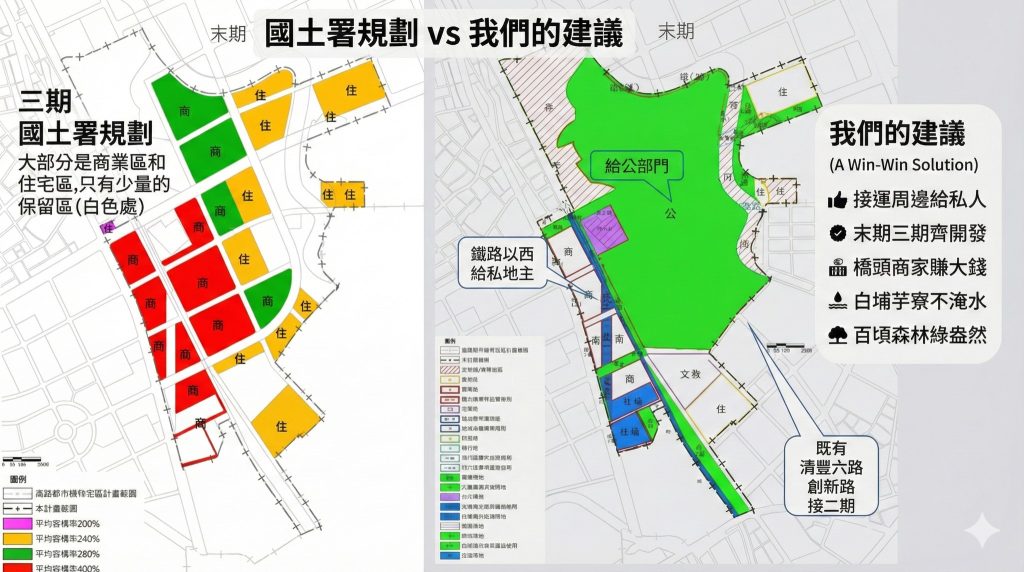
Citizen groups say the proposal reflects an older development model that prioritizes road construction and land conversion over the preservation of cultural landscapes. Some have raised particular concern about wide arterial roads proposed near the historic site, warning that they would permanently alter its character.
Grassroots response and preservation proposals
In response, organizers have launched campaigns under the banner “Save the Ciaotou Sugar Factory Hundred-Hectare Forest” (搶救橋頭糖廠百頃森林), calling for alternative planning approaches that preserve the forest while allowing for low-impact public use.
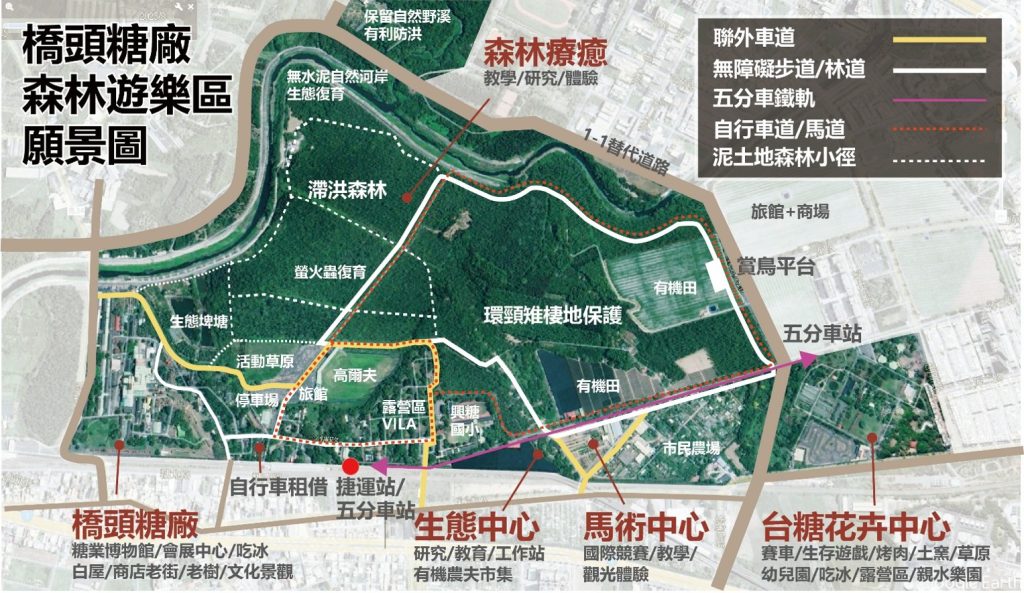
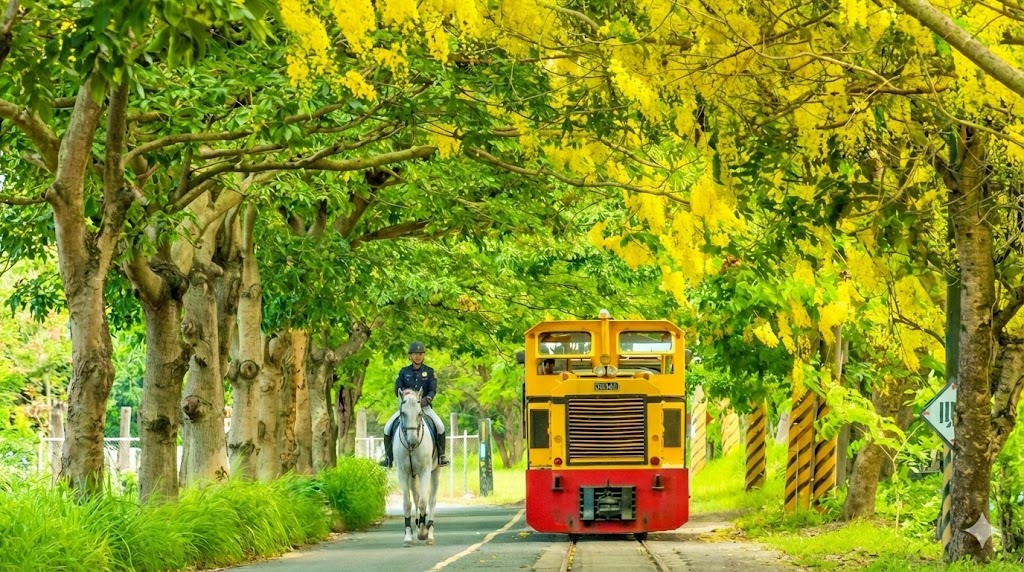
Among the proposals is the creation of a Ciaotou Sugar Factory Forest Recreation Area, which advocates say could link the sugar museum, historic rail features, and forest trails into a single, integrated cultural and ecological destination rather than dividing the area with new infrastructure.
A test case for Kaohsiung’s planning priorities
Public actions have followed. PeoPo Citizen Journalism (公民新聞) reported on a recent walk and rally that drew around 200 participants, highlighting concerns over tree loss, habitat fragmentation, and increased flood risk if development proceeds without major revisions.
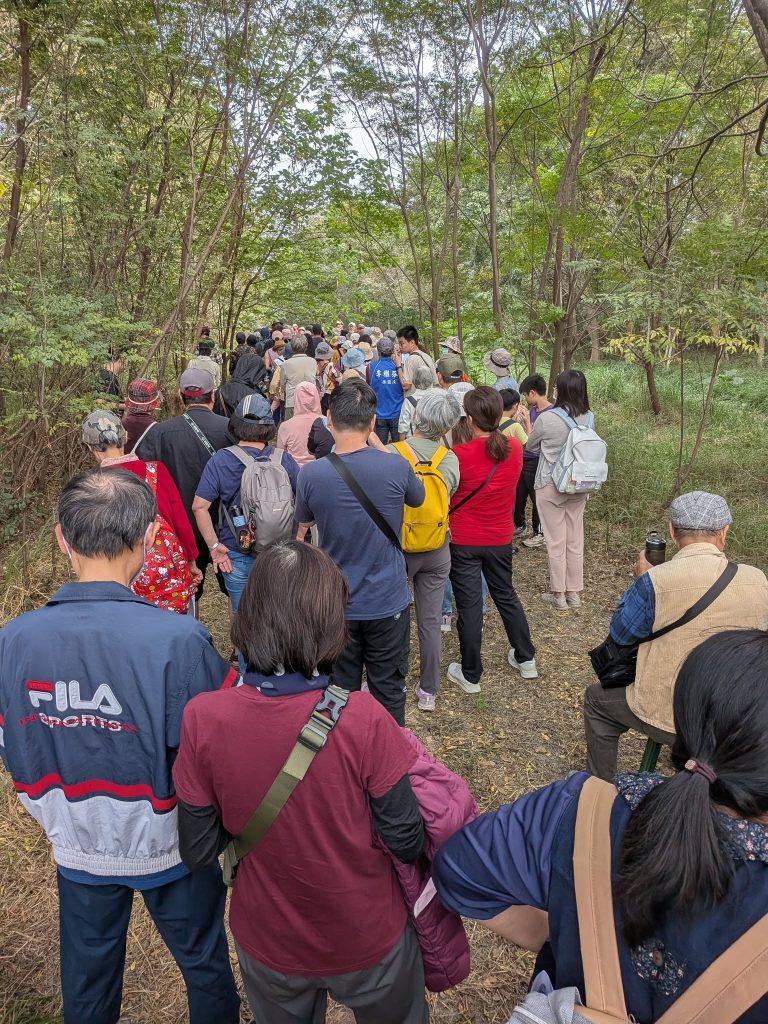
As the Ciaotou New Town plan moves deeper into formal review, the outcome is increasingly seen as a test of Kaohsiung’s broader planning philosophy: Is Kaohsiung willing to treat both its industrial past and ecological present as assets worth protecting?
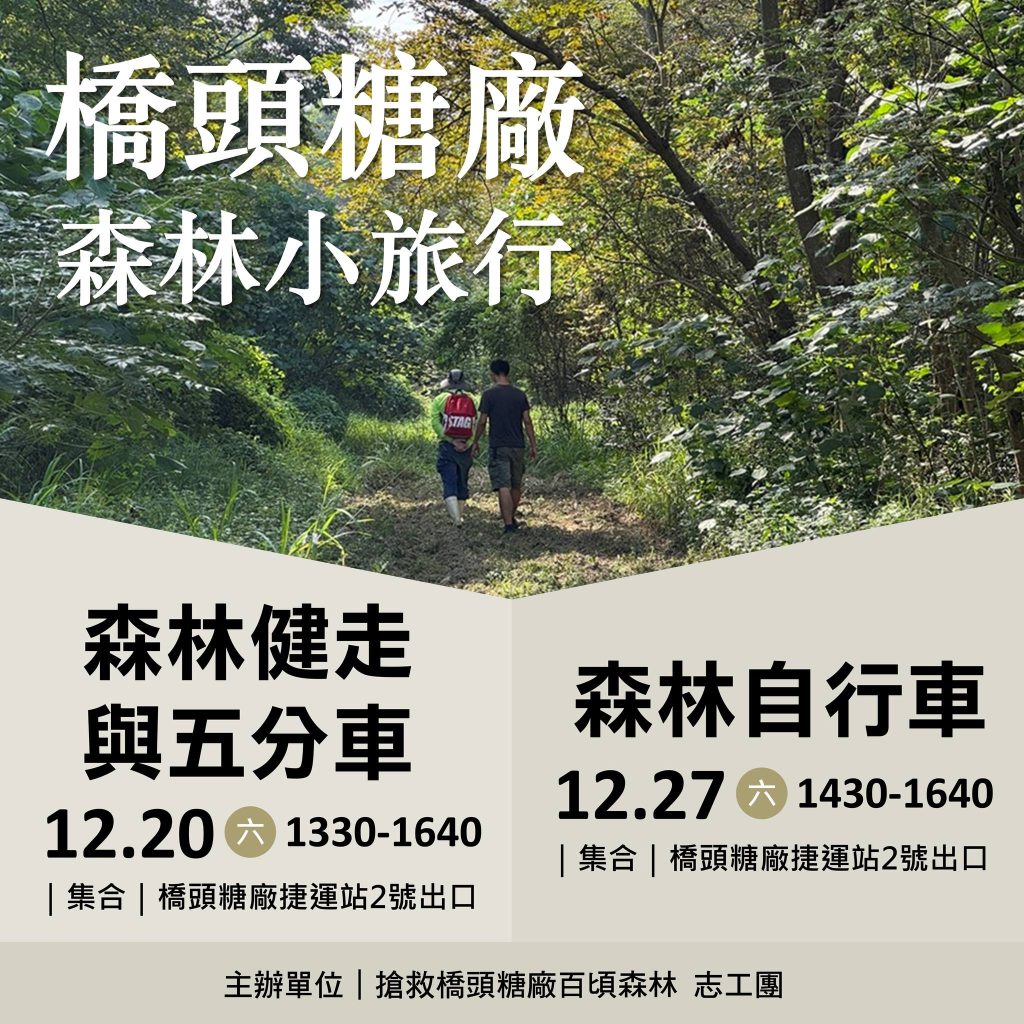
Below: Two upcoming events at the site invite people to visit the forest for a hike or cycle ride.