
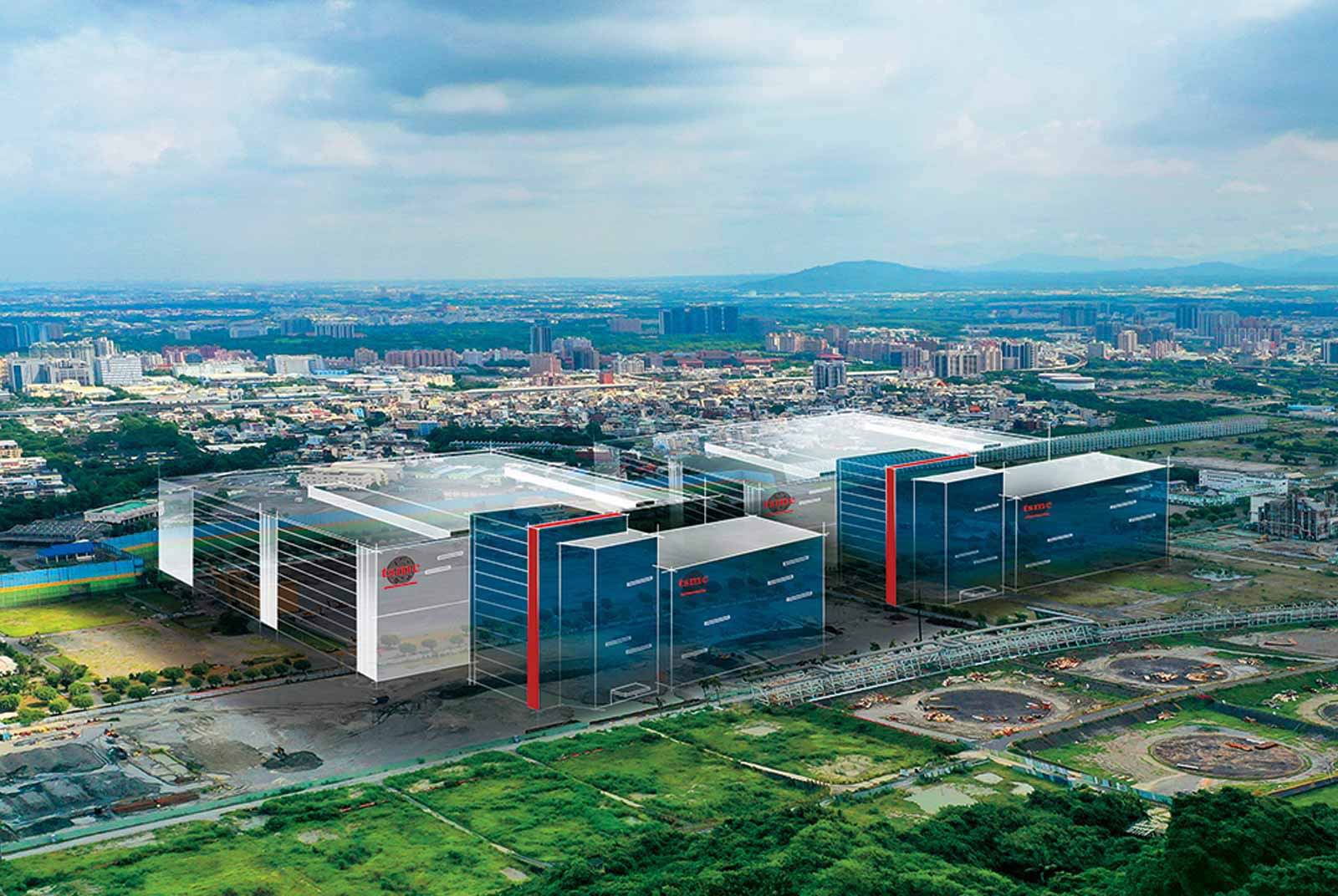
By KHT Staff – Image via Commonwealth Magazine shows an artist rendition of one of TSMC’s Kaohsiung centers.
KAOHSIUNG — Taiwan Semiconductor Manufacturing Co. (台灣積體電路製造股份有限公司, TSMC) expects its expanding Kaohsiung operations to be fully online by 2027, a buildout city officials say will generate more than 7,000 high-tech jobs and significantly deepen southern Taiwan’s role in the global semiconductor supply chain.
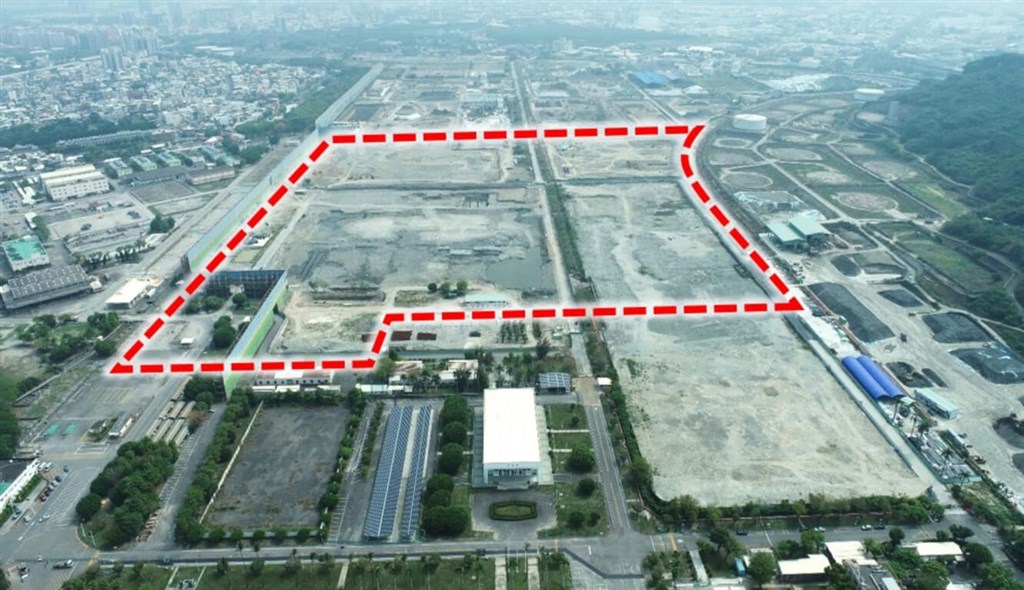
TSMC’s 2-nanometer P1 fab in Kaohsiung has already entered mass production, while installation work at the P2 plant began in August last year. Construction is also underway at the P3 and P4 facilities. Combined with the planned P5 plant, the full cluster is expected to be operational within the next three years.
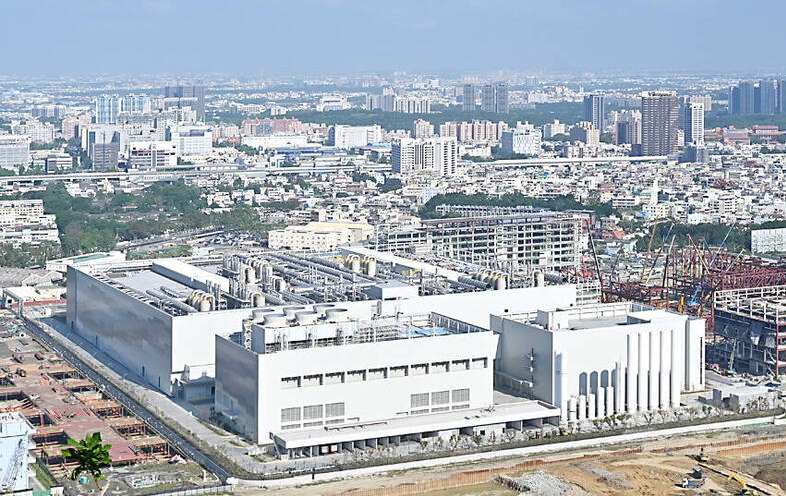
A recent picture of the nearly complete complex.
According to the Kaohsiung City Government’s Economic Development Bureau, the Nanzih Science Park complex is projected to deliver at least 1,500 jobs in its initial operating phase, annual output exceeding NT$150 billion, and more than 20,000 construction-related positions during the buildout period. Direct high-tech employment is expected to surpass 7,000 positions.
City officials say TSMC’s advanced 2-nanometer technology will support growth in artificial intelligence, high-performance computing, automotive electronics, smart manufacturing, and ICT equipment, accelerating the clustering of upstream and downstream suppliers in southern Taiwan.
To meet rising talent demand, National Yang Ming Chiao Tung University (國立陽明交通大學) and National Tsing Hua University (國立清華大學) have established Kaohsiung branch campuses focused on upstream semiconductor research and IC design programs.
However, academics warn of mounting labor pressure. Chen Chi-jen (陳啓仁), president of National University of Kaohsiung (國立高雄大學), said the industry increasingly requires interdisciplinary talent capable of bridging materials science, manufacturing processes, AI applications, and system integration.
Wu Sung-mao (吳松茂), a professor of electrical engineering at the same university, noted that graduates from northern Taiwan are often reluctant to relocate south, raising concerns that local universities alone may struggle to meet future workforce needs as related industries expand.