
Close Menu
Kaohsiung Times

    Southern Taiwan told to prepare as Typhoon Bavi approaches

    Tourism Bureau aims to certify 100 gender-friendly lodgings

    Light rail ridership tops 7.2 million

    Facebook X (Twitter) Instagram Threads
    Kaohsiung Times
    Friday, July 10
    Facebook X (Twitter) Instagram
    • Latest
    • Kaohsiung
    • South
      • Pingtung
      • Tainan
      • Chiayi
    • Crime
    • Business
      • ESG
      • Technology
      • Energy
      • Real Estate
    • Politics
    • Lifestyle
      • Sports
      • Health
      • Entertainment
      • Travel
    • Long-form
      • Editorials
      • Formosa Files
      • Article Series
      • Books
    • Youth
    Kaohsiung Times
    • Latest
    • Kaohsiung
    • South
    • Crime
    • Business
    • Politics
    • Lifestyle
    • Long-form
    • Youth
    Home » “Three Cities Rising?” Analyst Predicts Shift Away From Taipei-Dominated Housing Market
    Real Estate February 14, 20263 Mins Read

    “Three Cities Rising?” Analyst Predicts Shift Away From Taipei-Dominated Housing Market

    Commentator Lee Tung-jung says Taoyuan, Taichung, and Kaohsiung could form a new “three-pillar” structure over the next two decades as costs, land limits, and industry trends reshape demand
    Share
    Facebook Twitter LinkedIn Email Copy Link Threads

    By KHT Staff

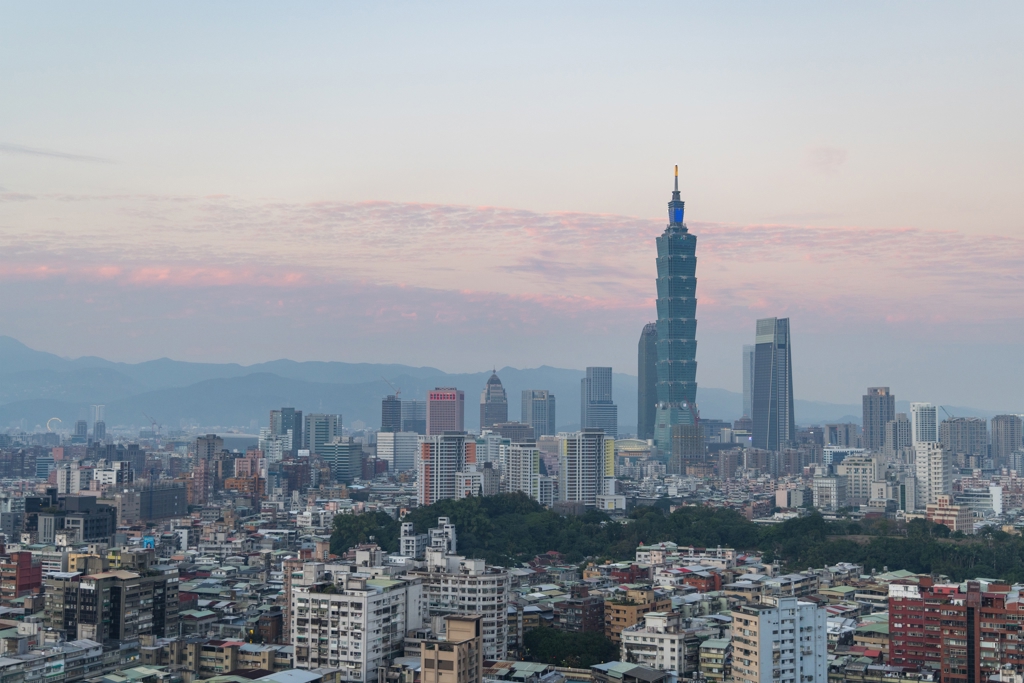
    KAOHSIUNG — Taipei is sometimes called the “Celestial Kingdom,” owing to its central place in the nation’s affairs, but the capital city’s high cost of living and persistently high housing prices are pushing many out.

    A Taiwan property market commentator is forecasting a gradual shift away from Taipei as the island’s dominant real estate hub, arguing that Taoyuan, Taichung, and Kaohsiung could form a “three-pillar” structure over the next 10 to 20 years.

    The projection, made by housing market analyst Lee Tung-jung (李同榮), suggests that Taiwan’s long-standing north-centric property pattern may evolve as land constraints, high prices, and shifting industrial dynamics reshape regional demand. The comments were published on social media and reported by China Times, and do not represent an official policy stance.

    Lee cited three main structural pressures on Taipei’s property market. First, limited land supply and slow urban renewal are seen as constraining future development, with few large sites available for major residential or industrial projects. Second, persistently high housing prices and living costs may reduce affordability for younger and middle-income households, contributing to outward migration to other cities. Third, while Taipei retains its role as a financial and administrative center, much of Taiwan’s manufacturing, technology, and research expansion has increasingly taken place outside the capital region.

    Under this scenario, Taoyuan would function as a northern spillover hub absorbing industry and population growth, Taichung would consolidate its role as a central Taiwan manufacturing and livability center, and Kaohsiung would emerge as a southern gateway tied to industrial upgrading and international connectivity. The analyst argued these cities would be complementary rather than competitive, jointly shaping future housing demand and capital flows.

    The outlook aligns with broader demographic and industrial trends already observed in recent years, including ongoing investments in science parks, logistics infrastructure, and port-related redevelopment in southern Taiwan. However, analysts note that Taipei’s entrenched advantages — including headquarters concentration, financial services, and transport integration — are unlikely to disappear quickly, suggesting any structural shift would be gradual rather than abrupt.

    Real estate cycles in Taiwan have historically been sensitive to macroeconomic conditions, credit policy, and technology-sector performance, meaning long-term forecasts remain contingent on broader economic shifts. Nonetheless, the “three-pillar” framework reflects a growing narrative among market observers that Taiwan’s growth pattern may become more geographically distributed over the coming decades.

    The remarks were presented as a forward-looking market interpretation rather than a formal forecast, and the timeline and scale of any shift remain subject to debate among economists and urban planners.

    Featured house prices Kaohsiung
    Share. Facebook Twitter Threads LinkedIn Email Copy Link

    Related Posts

    Tourism Bureau aims to certify 100 gender-friendly lodgings

    July 10, 2026

    Light rail ridership tops 7.2 million

    July 9, 2026

    Donggang consecrates King Boat ahead of 2027 festival

    July 8, 2026
    Add A Comment

    Comments are closed.

    Tourism Bureau aims to certify 100 gender-friendly lodgings

    July 10, 2026

    Light rail ridership tops 7.2 million

    July 9, 2026

    Donggang consecrates King Boat ahead of 2027 festival

    July 8, 2026

    Soldier gets suspended sentence for filming sleeping girlfriend, making AI sex images

    July 7, 2026

    Parking complaints plague new Kaohsiung Costco

    July 7, 2026

    Southern Taiwan told to prepare as Typhoon Bavi approaches

    Tourism Bureau aims to certify 100 gender-friendly lodgings

    Light rail ridership tops 7.2 million

    Donggang consecrates King Boat ahead of 2027 festival

    Kenting marathon set for Nov. 15

    Pingtung “King Boat” wood reaches outer space aboard SpaceX mission

    Facebook X (Twitter) Pinterest Vimeo WhatsApp TikTok Instagram

    News

    • Local
    • Business
    • Sports
    • Politics
    • Opinions
    • Lifestyle
    • Health

    News

    • Entertainment
    • Travel
    • Formosa FIles
    • Books
    • Technology
    • Youth
    • Latest

    Company

    • Information
    • Advertising
    • Contact Info
    • Privacy Policy & GDPR
    © 2026 Kaohsiung Times. Developed by Second Space.
    • Privacy Policy
    • Terms
    • Accessibility

    Type above and press Enter to search. Press Esc to cancel.