
Close Menu
Kaohsiung Times

    Audit finds Kaohsiung Red Line extension behind schedule and below ridership targets

    Student’s quick alert helps contain fire at Kaohsiung night market

    Legal reforms and regional startup hubs planned to help companies expand at home and abroad

    Facebook X (Twitter) Instagram Threads
    Kaohsiung Times
    Saturday, August 29
    Facebook X (Twitter) Instagram
    • Latest
    • Kaohsiung
    • South
      • Pingtung
      • Tainan
      • Chiayi
    • Crime
    • Business
      • ESG
      • Technology
      • Energy
      • Real Estate
    • Politics
    • Lifestyle
      • Sports
      • Health
      • Entertainment
      • Travel
    • Long-form
      • Editorials
      • Formosa Files
      • Article Series
      • Books
    • Youth
    Kaohsiung Times
    • Latest
    • Kaohsiung
    • South
    • Crime
    • Business
    • Politics
    • Lifestyle
    • Long-form
    • Youth
    Home » Legal reforms and regional startup hubs planned to help companies expand at home and abroad
    Startup August 29, 20264 Mins Read

    Legal reforms and regional startup hubs planned to help companies expand at home and abroad

    SME agency chief acknowledges that funding and regulations remain major hurdles for Taiwan startups overseas
    Share
    Facebook Twitter LinkedIn Email Copy Link Threads

    By Eryk Michael Smith/KHT Staff.

    KAOHSIUNG/TAIPEI — Taiwanese startups entering foreign markets frequently underestimate the difficulty of securing funding, meeting local regulations and establishing a reputation among potential customers, according to the head of Taiwan’s Small and Medium Enterprise and Startup Administration.

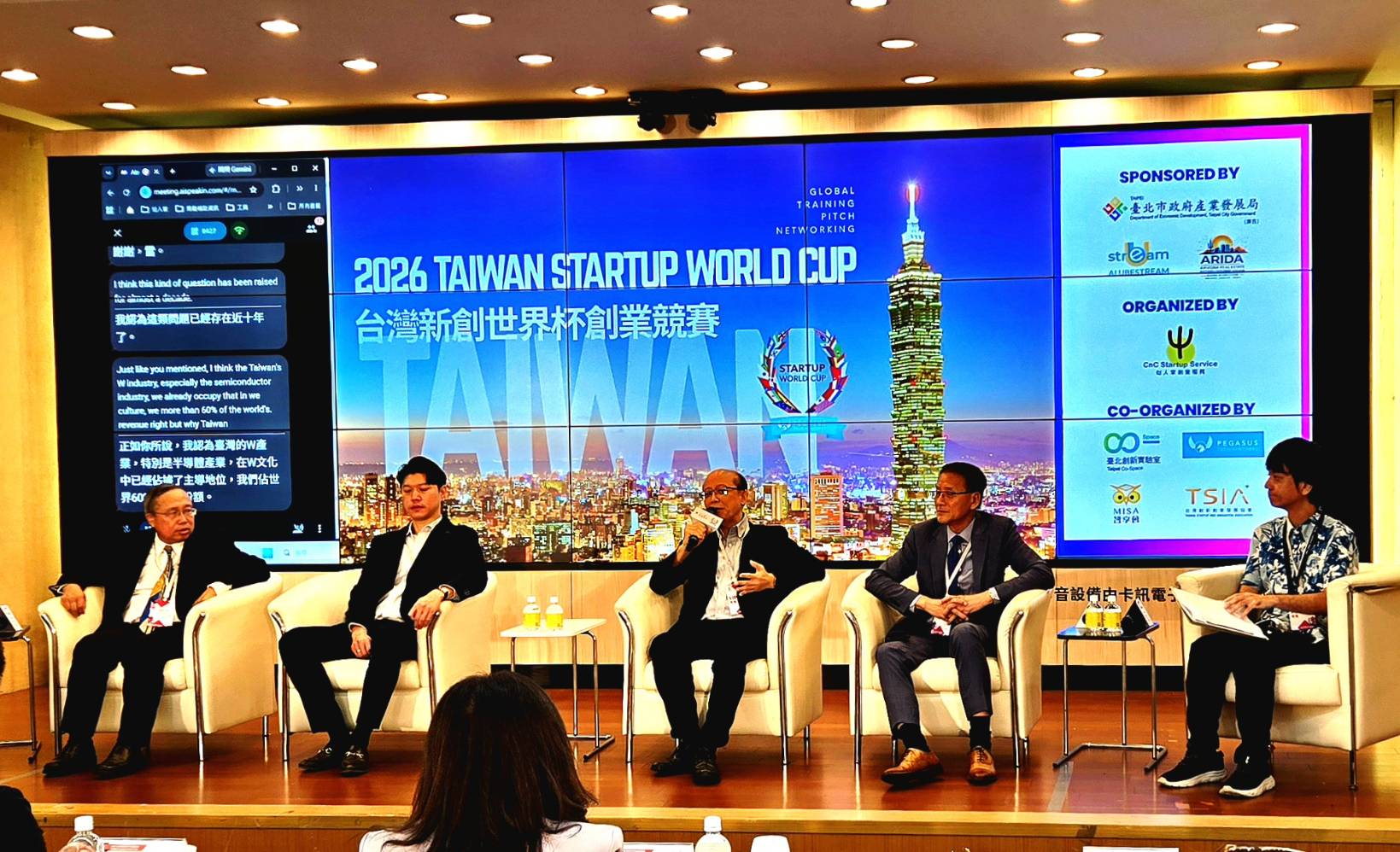
    Lee Guann-jyh (李冠志), or GJ Lee, director-general of the Small and Medium Enterprise and Startup Administration, a Ministry of Economic Affairs agency, told the Kaohsiung Times at the Startup World Cup finals in Taipei on August 27 that entering an overseas market can represent “a totally new world” for a young Taiwanese company.

    Funding remains a major challenge, but Lee said regulatory requirements can be equally difficult, particularly for startups working in biotechnology, cybersecurity, defense technology and other tightly regulated fields.

    Regulatory differences between countries can further complicate expansion.

    “We need to help startups become more familiar with and fully understand all the regulatory requirements in the target market,” Lee said.

    Visibility is another obstacle. Taiwanese startups may have competitive products but remain largely unknown among overseas customers, suppliers and potential business partners.

    Lee said the government is helping companies attend international exhibitions and other events where they can develop contacts and demonstrate the quality of Taiwanese products and services.

    “It is quite a long way to go,” he said. “We need to take every step solidly and be well prepared.”

    Government considers legal changes

    Asked whether Taiwan’s own regulations create unnecessary difficulties for startups, Lee pointed to financial rules and intellectual property policy.

    Many young companies are developing new approaches to payments and cash flow, placing them in areas where existing financial regulations may not adequately address emerging business models.

    Lee said intellectual property rules must also do more than protect patents and other assets. They should make it easier for companies to put intellectual property to commercial use.

    The government is preparing an overhaul of the Small and Medium Enterprise Development Act, with plans to turn it into a broader law covering the transformation and upgrading of small and micro businesses.

    Lee said the government is considering adding provisions specifically designed to strengthen Taiwan’s startup ecosystem. The proposals follow calls from startup representatives for regulatory sandboxes, tax reforms and better support for entrepreneurs recovering from failed ventures.

    The planned legislation is expected to cover areas including financing, tax incentives, research subsidies, talent development and equipment upgrades. It has not yet completed the legislative process.

    Lee said the government also wants to expand regulatory sandboxes, allowing companies to test innovative products or services in a controlled environment before all existing regulations are applied.

    Creating a successful startup economy, however, requires more than government funding or regulatory reform, he said.

    Public agencies, private companies, universities, incubators and accelerators must work together to provide startups with the support needed to grow.

    Taiwan should also judge its success partly by the number of overseas startups that choose the country as their base in Asia, Lee said, citing companies from the United States, Israel and Japan as potential targets.

    Building opportunities in southern Taiwan

    Lee said achieving a better regional balance is also a government priority, particularly for companies outside northern Taiwan.

    The government operates the Startup Terrace Kaohsiung, formally known as the Asia New Bay Area Startup Terrace (亞灣新創園), which works with universities, industry groups, professors, entrepreneurs and the Kaohsiung City Government.

    Lee spoke ahead of the 2026 Meet Greater South exhibition, which opened Friday at the Kaohsiung Exhibition Center. The event focuses on artificial intelligence, smart manufacturing, health technology, sustainability and other potential applications for southern Taiwan’s industries.

    The government is providing exhibition space and promotional support to companies based at the Kaohsiung startup hub, with the aim of connecting them with corporate customers, investors and distribution partners.

    Lee also highlighted developing links between Kaohsiung and Arizona, where Taiwan Semiconductor Manufacturing Co. has made major investments.

    In May, the SME administration and Kaohsiung City Government hosted a delegation led by Arizona Commerce Authority President and CEO Sandra Watson at the Kaohsiung startup hub. The visit focused on opportunities for cooperation in advanced manufacturing, emerging technology and the semiconductor supply chain.

    TSMC’s expansion in Arizona could create opportunities for the smaller companies and startups that form part of Taiwan’s semiconductor supply chain, Lee said.

    Rather than entering foreign markets alone, Taiwanese startups can benefit by working together in industry clusters and participating in supply-chain partnerships, he added.

    Taiwan’s importance to the global semiconductor industry, Lee said, is not well-established. 

    Taiwan’s objective, he said, should be to use that position to build what he called a “democratic supply chain” with international partners.

    Sources: Small and Medium Enterprise and Startup Administration, Public Television Service, Kaohsiung-Arizona startup cooperation.

    Kaohsiung redevelopment
    Share. Facebook Twitter Threads LinkedIn Email Copy Link

    Related Posts

    Meet Greater South opens in Kaohsiung with AI, funding focus

    August 28, 2026

    Bidder emerges for key Freeway 7 section, but two contracts remain unresolved

    August 27, 2026

    LOPIA sets Sept. 12 opening for Taiwan’s first PREMIO store in Kaohsiung

    August 25, 2026
    Add A Comment

    Comments are closed.

    Meet Greater South opens in Kaohsiung with AI, funding focus

    August 28, 2026

    Bidder emerges for key Freeway 7 section, but two contracts remain unresolved

    August 27, 2026

    LOPIA sets Sept. 12 opening for Taiwan’s first PREMIO store in Kaohsiung

    August 25, 2026

    Kaohsiung mall workers question “mandatory” shifts during second rain closure day

    August 24, 2026

    Meet Greater South tech expo opens Friday in Kaohsiung

    August 23, 2026

    Audit finds Kaohsiung Red Line extension behind schedule and below ridership targets

    Student’s quick alert helps contain fire at Kaohsiung night market

    Legal reforms and regional startup hubs planned to help companies expand at home and abroad

    Kaohsiung says it leads six special municipalities in tourism growth

    Southern Taiwan’s local races show different political maps ahead of November vote

    Kaohsiung Cocktail Festival postponed to next weekend

    Facebook X (Twitter) Pinterest Vimeo WhatsApp TikTok Instagram

    News

    • Local
    • Business
    • Sports
    • Politics
    • Opinions
    • Lifestyle
    • Health

    News

    • Entertainment
    • Travel
    • Formosa FIles
    • Books
    • Technology
    • Youth
    • Latest

    Company

    • Information
    • Advertising
    • Contact Info
    • Privacy Policy & GDPR
    © 2026 Kaohsiung Times. Developed by Second Space.
    • Privacy Policy
    • Terms
    • Accessibility

    Type above and press Enter to search. Press Esc to cancel.