
By RK Shih/Staff
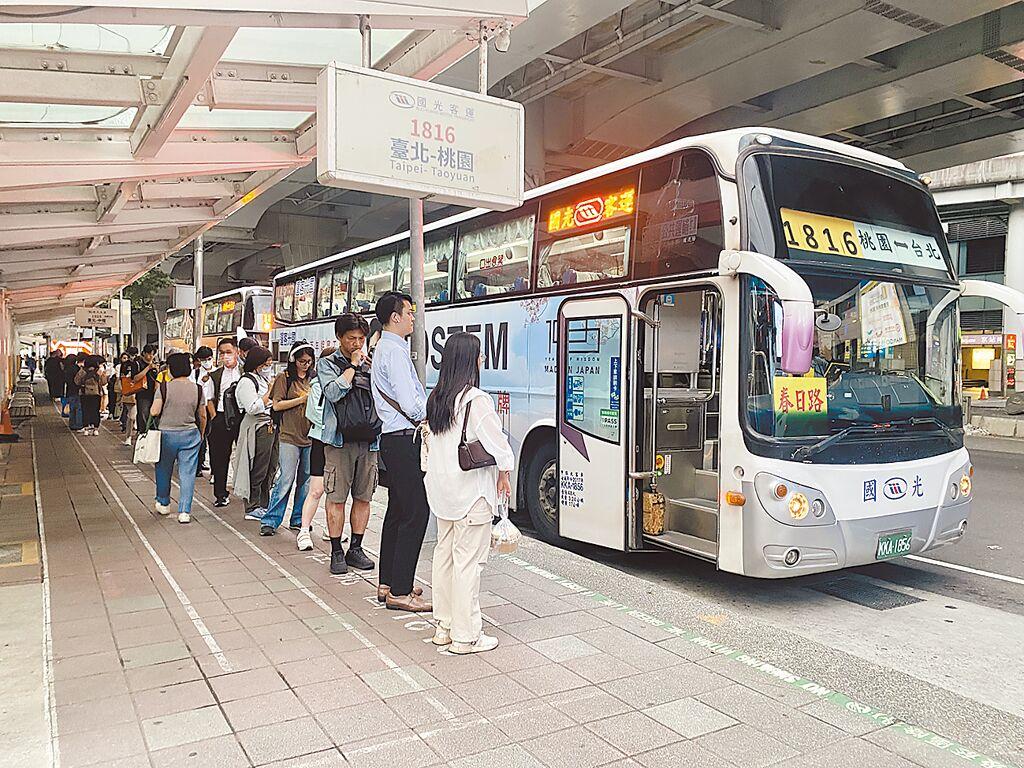
KAOHSIUNG — Taiwan’s Highway Bureau has launched the largest intercity bus network overhaul in nearly three decades, responding to a prolonged slump in ridership and revenue following the COVID-19 pandemic.
According to Ministry of Transportation and Communications data, intercity bus revenues from January to October last year were down nearly 38 percent compared with pre-pandemic levels. Facing shrinking passenger numbers and rising operating costs, many bus companies have already reduced services or suspended routes.
The bureau confirmed it will complete the restructuring by the end of this year, focusing first on short- and mid-distance corridors in northern and central Taiwan, including Keelung, Taoyuan, Hsinchu, and Taichung.
Transport Division Director Liang Kuo-kuo (梁郭國) said high-speed rail and Taiwan Railways have increasingly drawn passengers away from highway buses, particularly along western Taiwan. Improving efficiency, he said, has become critical for the industry’s survival.
Many existing routes were planned 20 to 30 years ago and no longer match current travel patterns, Liang noted. The bureau is now reviewing major corridors, including Taipei–Keelung, Taipei–Taoyuan, Taipei–Taichung, Taipei–Tainan, and Taipei–Kaohsiung, to assess possible route mergers, frequency adjustments, and new stop placements.
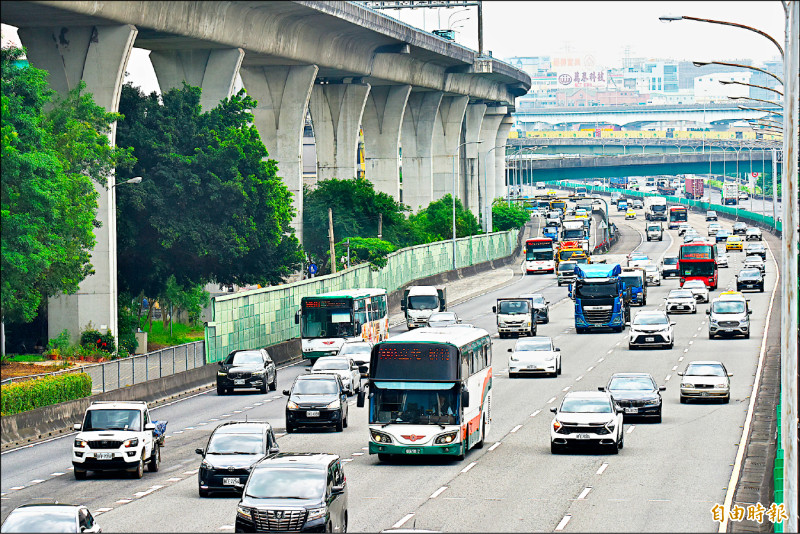
As an example, Liang cited the Taipei–Kaohsiung route, once served by three to four operators. After consolidation, services are now jointly operated by Ubus (統聯) and Ho-Hsin (和欣), reducing redundant departures while maintaining sufficient frequency for passengers. Taipei–Kaohsiung and Taipei–Tainan routes will be the first phase of optimization.
In eastern Taiwan, the bureau has already merged three Taipei–Hualien routes into a single service now operated by Kamalan Bus (葛瑪蘭客運). The route currently runs only on weekends, with future frequency adjustments dependent on tourism demand.
Nationwide, Taiwan currently has 491 intercity bus routes, including 140 freeway routes and 351 conventional highway services. Officials said ongoing reviews will consider ridership performance, route overlap, and public demand as part of a rolling evaluation process.
Source: United Daily News (聯合報)