
By Eryk Michael Smith / Staff
KAOHSIUNG — A growing shift toward land-lease housing is emerging in North Kaohsiung’s property market, driven by rising prices around the Zuoying high-speed rail zone and expanding technology investment in neighboring Nanzih.
A land-lease property (地上權住宅) is a form of real estate where the buyer owns the building but not the land beneath it. The land remains owned by a government agency or private entity, and the buyer receives the right to use the land for a fixed period, typically 50 to 70 years, sometimes extendable. During that lease term, the owner can live in, rent out, or sell the property, but the land ownership never transfers. When the lease expires, the usage right generally reverts to the landowner unless renewed under new terms.
Market observers note that this model is common in dense global cities where land is scarce or strategically controlled. In Tokyo’s Minato ward, for example, buyers can access prime locations at roughly 60–70% of the cost of full ownership properties.
The key trade-off is price versus permanence. Because buyers are not purchasing the land itself, land-lease homes are usually priced about 30–40% lower than comparable freehold properties in the same location. For example, in a high-demand area near Zuoying High-Speed Rail Station, a land-lease apartment might cost significantly less upfront, freeing capital for investment or business use.
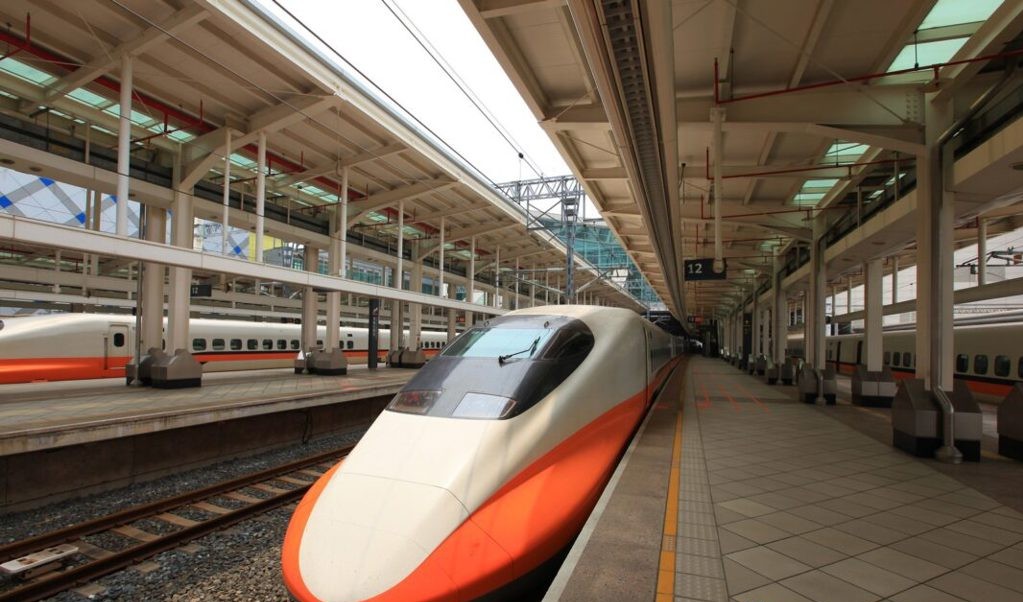
The area surrounding New Zuoying Station (高鐵左營站), a three-rail hub integrating the high-speed rail, Taiwan Railways, and the Kaohsiung MRT, has become a focal point for development. Improved connectivity via National Freeways 1 and 10 has strengthened the district’s role as a north–south transportation gateway, reinforcing its attractiveness for both residents and investors.
Advocates argue that the land-lease model supports “asset-light” purchasing strategies, enabling households to retain greater liquidity while securing long-term residence rights, typically lasting at least several decades.