
By Eryk Michael Smith / Staff
KAOHSIUNG — Although adultery is no longer a criminal offense in Taiwan, civil courts continue to hear cases involving alleged violations of spousal rights, underscoring that there are potential legal consequences for “relationship disputes.”
In a recent ruling, the Qiaotou District Court ordered a Kaohsiung man to pay NT$200,000 in damages after finding that he had infringed on another man’s spousal rights by engaging in an extramarital relationship with a married coworker.
The court determined that prolonged sexually explicit and emotionally intimate communications between the two exceeded the bounds of ordinary friendship and constituted a civil violation, even in the absence of criminal liability.

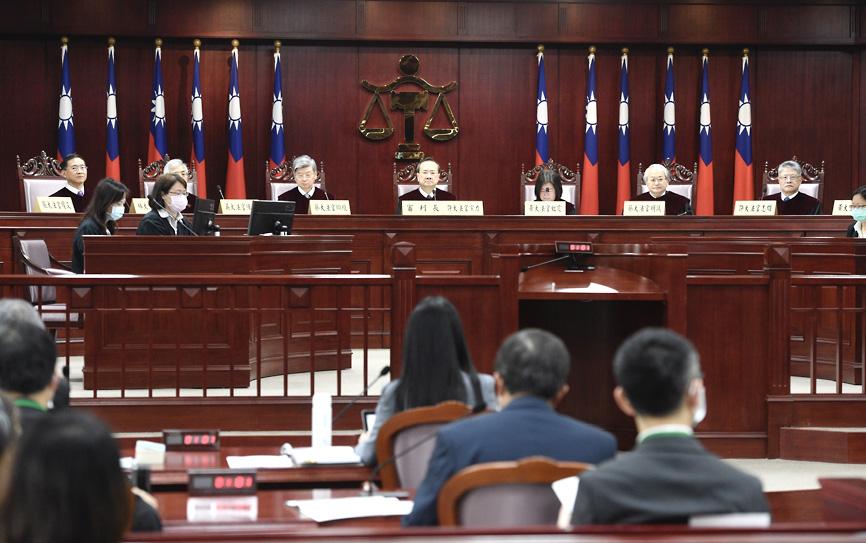
Taiwan’s Constitutional Court decriminalized adultery in 2020, ruling that criminal punishment for consensual extramarital sex violated constitutional protections of personal freedom and privacy. Since then, disputes involving affairs have been handled primarily through civil law, where plaintiffs may seek monetary compensation for emotional harm or damage to marital relations.
The defendant denied having an improper relationship, claiming that the two were merely colleagues who communicated about work and personal stress, including marital frustrations. He also argued that the damages sought were excessive given his financial responsibilities, including raising two children.
The court rejected that defense, but also rejected the request for NT$800,000 in compensation, setting damages at NT$200,000. The ruling can be appealed.
Legal experts note that while the evidentiary threshold in civil cases is lower than in criminal proceedings, courts still require clear proof that conduct went beyond social or professional interaction.
The ruling reflects a broader legal transition in Taiwan: adultery is no longer treated as a matter for state punishment, but neither is it legally consequence-free.