
By KHT Staff
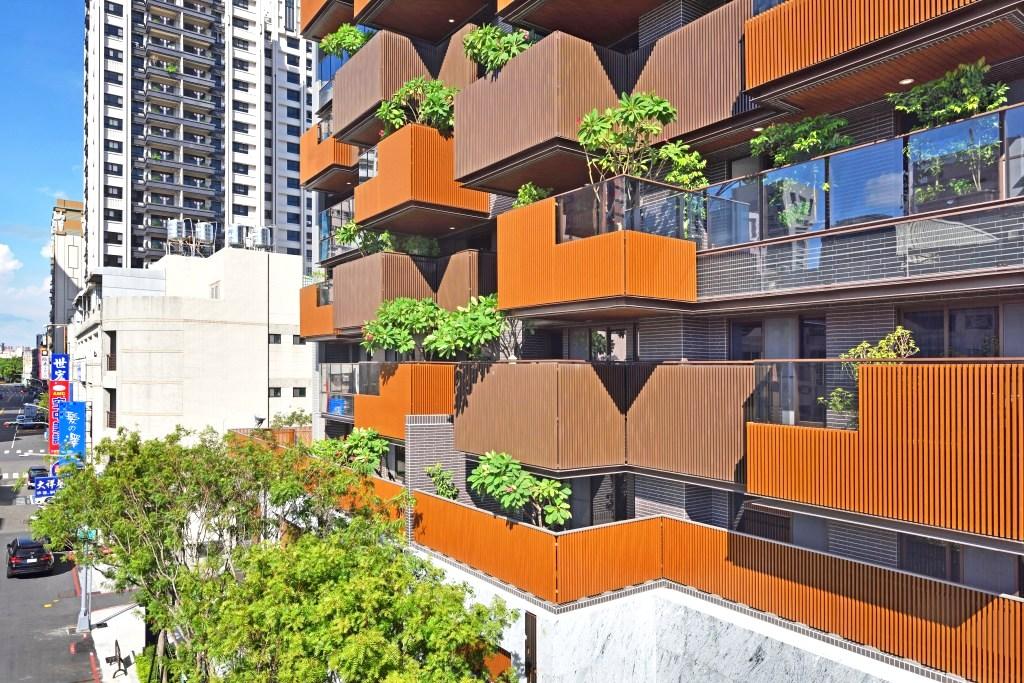
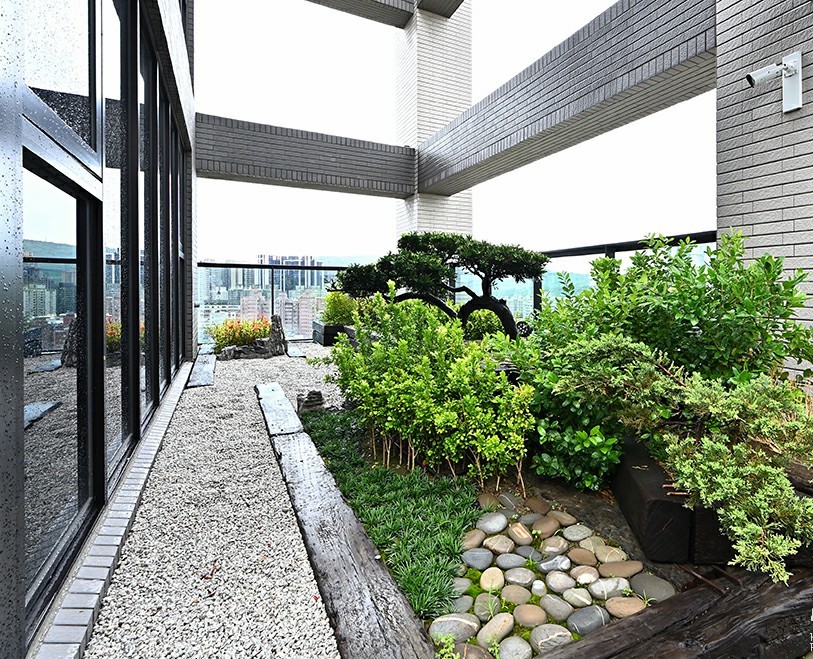
KAOHSIUNG — Kaohsiung’s Public Works Bureau said it would review incentives for the Kaohsiung House (高雄厝) green-building program after the Kaohsiung City Audit Division found low subsidy execution rates, unused certification labels, and inconsistent enforcement involving landscaped balconies.
The China Times reported that the bureau spent almost NT$450 million in 2025 on the Kaohsiung House and other building-greening programs. Although more than 970,000 square meters of greenery had been completed, auditors found uneven implementation of vertical-greening and green-roof subsidies.
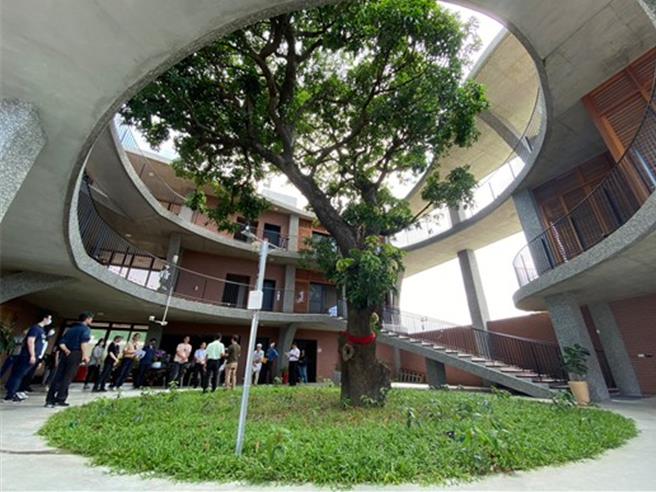
Of the five fiscal years reviewed, 2021 was the only year in which the subsidy programs’ implementation rate exceeded 90 percent. Rates in the other years were about 50 percent. Funding was also concentrated among a small number of properties, with Shin Kong Elementary School (新光國小) in Zuoying District (左營區) and three other buildings receiving subsidies for five consecutive years.
Unused labels and uneven fines
The audit said no applications had been made for the city’s Kaohsiung House or vertical-greening certification labels in more than a decade. It found that the labels overlapped substantially with a city awards program for green-building projects and had not provided an effective policy incentive.
Auditors also cited suspected changes of use involving landscaped balconies approved under the program. City enforcement records included fines under the Building Act and the Apartment Building Management Act ranging from NT$10,000 to NT$100,000. The report said the variation raised concerns about whether enforcement standards were consistent.
Resident raises maintenance concerns
One resident of a Kaohsiung House development told the China Times that developers obtain additional permitted floor area by installing landscaped balconies, but buyers later face limits on how they use the spaces. The resident said homeowners may also bear maintenance costs and the risk of penalties if greenery deteriorates or a balcony’s use is altered.
Councilor proposes new criteria
Kaohsiung City Councilor Pai Chiao-Yin (白喬茵) called for a comprehensive review of the subsidies. She proposed reducing reliance on floor-area incentives and instead linking support to net-zero emissions, energy performance and smart-building standards.
Pai also proposed higher subsidy shares for projects with a clear public benefit, along with simpler applications and technical assistance intended to encourage community participation.
The Public Works Bureau told the China Times that it would collect feedback and reassess the program’s application process and incentives while aligning them with net-zero and smart-building policies. The bureau also said it would strengthen inspections and public guidance concerning suspected unauthorized changes to landscaped balconies, so that standards are consistently enforced.