
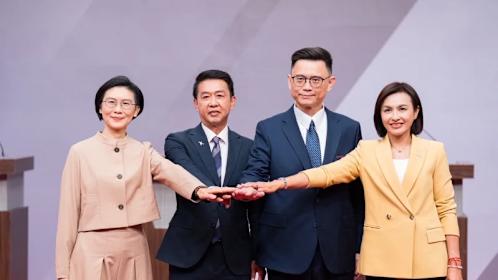
By RK Shih/Staff
KAOHSIUNG — Former KMT legislator Tsai Cheng-yuan (Alex Tsai – 蔡正元) said internal tensions within the Democratic Progressive Party (DPP) are unavoidable following the party’s Kaohsiung mayoral primary, even if the party presents a united front publicly.
The comments came after the DPP on Monday confirmed lawmaker Lai Jui-lung (賴瑞隆) as its nominee for the 2026 Kaohsiung mayoral election. The result sets up a head-to-head race between Lai and Kuomintang (KMT) candidate Ko Chih-en (柯志恩).
Speaking on the political talk show Big News Big Disclosure (《大新聞大爆卦》), Tsai said the DPP would avoid open conflict but that underlying divisions were inevitable. He said managing these internal tensions would require significant political resources from President Lai Ching-te (賴清德), who also serves as DPP chair, as well as incumbent Kaohsiung Mayor Chen Chi-mai (陳其邁).
“On the surface, there will be no conflict, but beneath the surface, tensions are unavoidable,” Tsai said, adding that problems could emerge at any time if not carefully handled.
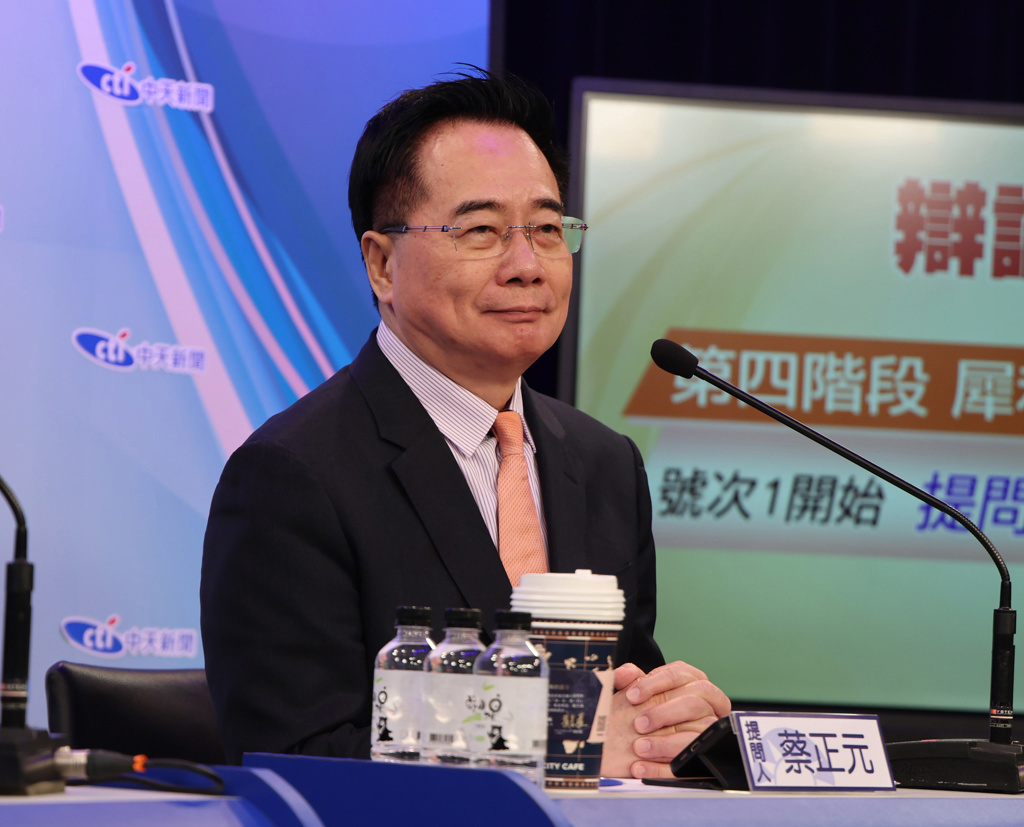
Tsai also addressed the potential impact of the Kaohsiung race on national politics. He warned that if Ko were to win the mayoralty, it could trigger a “domino effect” ahead of the 2028 presidential election.
“Kaohsiung is a highly symbolic city,” Tsai said. “If the KMT can win here under Mayor Chen Chi-mai’s watch, it would significantly ease pressure on whoever runs for president for the party in 2028.”
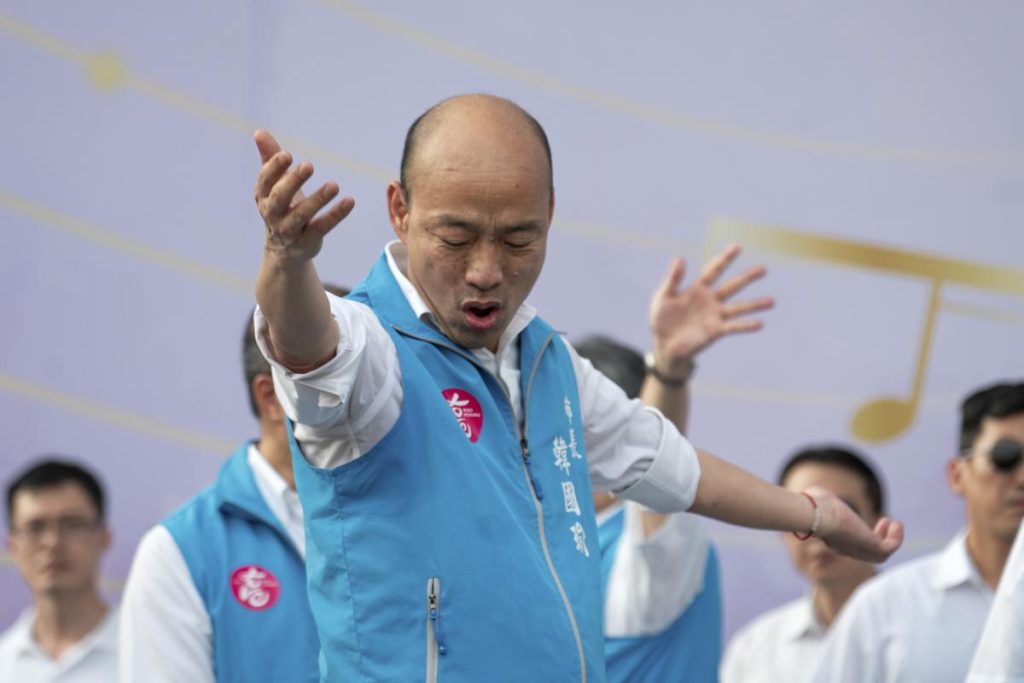
Tsai predicted Ko could secure more than 40 percent of the vote. He also noted that controversies surrounding former Kaohsiung mayor Han Kuo-yu (韓國瑜) have largely faded, especially since Han became speaker of the Legislative Yuan. Tsai said many Kaohsiung residents who were once critical of Han have gradually softened their views, a development he believes could benefit Ko’s campaign.
Following the formation of a clear two-party contest, Lai Jui-lung said his main advantage is his “deep familiarity with Kaohsiung’s municipal governance.” He cited both his administrative experience and legislative record as key distinctions between himself and his opponent.
Ko, meanwhile, said Lai’s victory in the primary was not unexpected. She acknowledged the imbalance of political resources in the race but said she would adopt an “underdog strategy” to compete. She added that she would steer the campaign back toward policy debates and long-term vision to earn voter trust and ultimately win the election.
Source: China Times