
By KHT Staff. Images via City.gvm.com.tw.
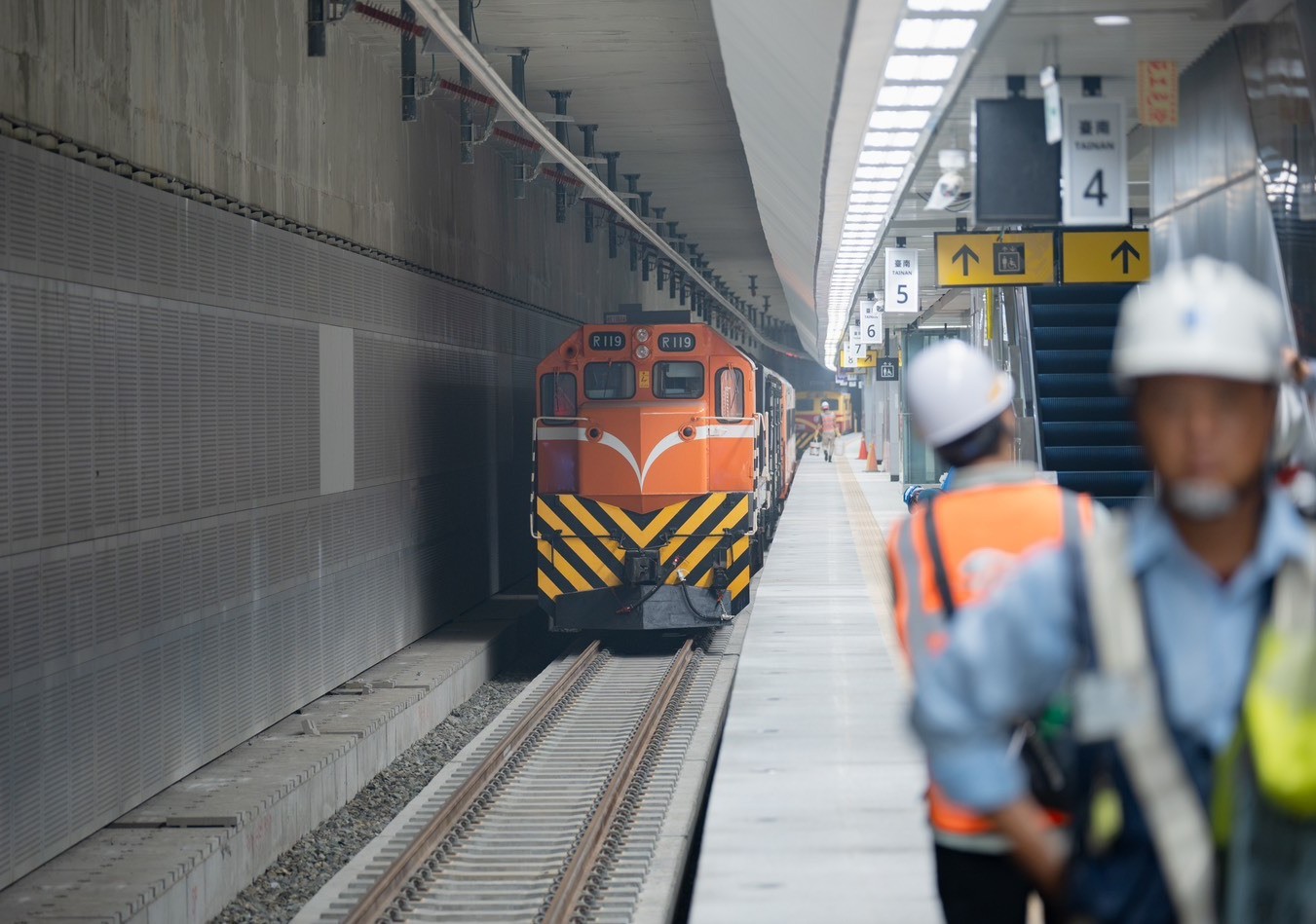
TAINAN — The first stage of Tainan’s (台南) underground railway is scheduled to open on Oct. 18, bringing a decades-long project close to carrying passengers while renewing debate over how Taiwan’s cities separate railways from street traffic.
The Tainan City Government said trains would move to the new alignment after an overnight track switch following the final services on Oct. 17. The 8.23-kilometer project places central Tainan Station underground and is intended to remove 23 level crossings, underpasses, overpasses and other road-rail intersections.
The opening will not mark the end of the entire project. Existing surface tracks must still be removed and landscaping completed, while the Railway Bureau expects Linsen Station to open in 2029 and South Tainan Station in 2030.
Tainan’s approaching opening highlights a question examined by Global Views’ City Studies: Why did Taipei (台北), Kaohsiung (高雄) and Tainan put major railway sections underground while Taichung (台中) chose an elevated line?
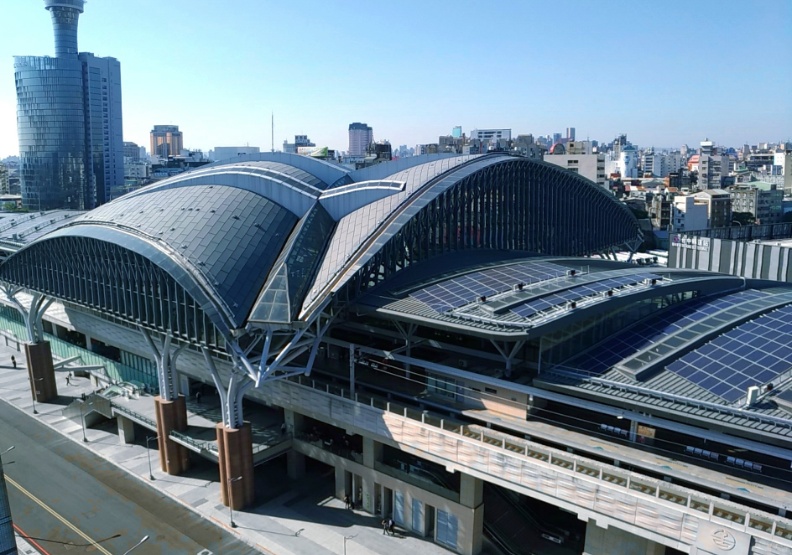
The record suggests there is no universally superior design. Construction cost, available land, noise, engineering conditions, future rail capacity, and political priorities can all change the answer. The route selected and the way authorities consult residents can be just as consequential as whether the tracks run above or below ground.
Why the same problem produces different designs
Kaohsiung’s underground line opened to passengers on Oct. 14, 2018. The Railway Bureau’s project summary lists a 15.37-kilometer tunnel, 10 underground stations and a budget of just shy of NT$100 billion. The former surface corridor was designated for green space, bicycle paths, roads and other public facilities intended to reconnect neighborhoods previously divided by the railway.
Taichung took a different approach. Its elevated railway project covers about 22 kilometers, includes 10 stations, and cost just over NT$31 billion, according to the Railway Bureau. Completed in June 2020, it eliminated 17 level crossings while retaining usable space beneath and alongside the viaduct.
A Railway Bureau evaluation prepared for the Taichung project found that underground options using comparable corridor widths had construction costs about 22% to 39% higher than elevated alternatives. Including operating and maintenance costs, the underground options were estimated to cost about 40% to 44% more. Those figures were specific to the alternatives assessed in Taichung and should not be treated as a rule for every city.
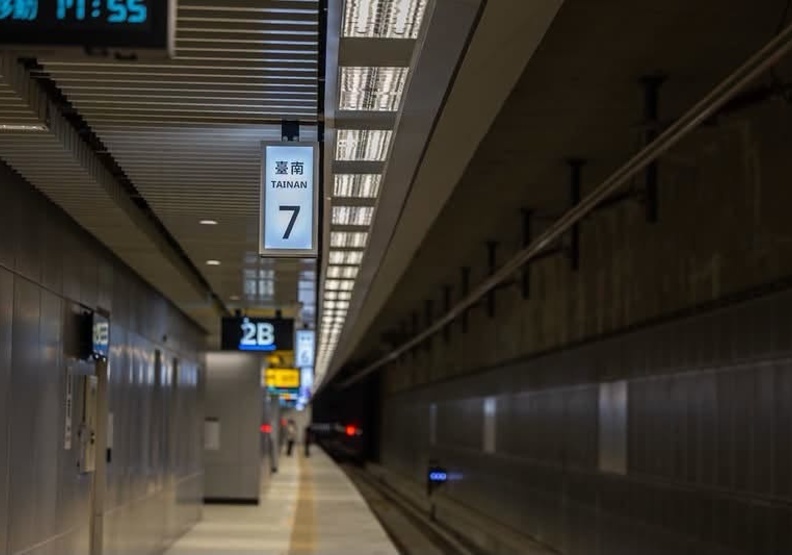
Local conditions can also reverse common assumptions about land use. Elevated structures need clearance from nearby buildings, while underground construction may require temporary work areas, ventilation facilities and station entrances. A detailed comparison must therefore examine the complete corridor rather than the tracks alone.
Process can matter as much as engineering
Tainan’s project became the focus of prolonged protests over an eastward shift of the permanent railway alignment and the acquisition of private land. The City Studies review said the dispute demonstrated how choosing between construction beneath an existing corridor and moving the line can determine whether households face temporary disruption or permanent relocation.
The dispute also showed why consultation must take place before the main design is effectively settled. Compensation cannot by itself resolve questions about whether expropriation is necessary, whether less disruptive alternatives were fully examined, or how benefits and burdens are distributed.
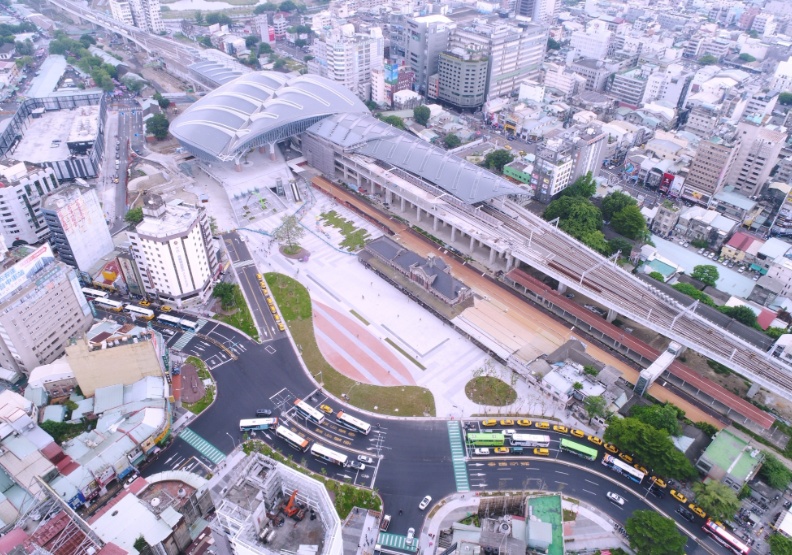
Taoyuan (桃園) illustrates how political and planning priorities can change a project after work has begun. The central government approved an elevated railway plan in 2009 but approved an underground replacement in 2020. The current Railway Bureau plan, revised in August 2026, covers about 19 kilometers, has eight stations, and carries a budget of roughly NT$182 billion, with completion scheduled for 2034.
That change reflects concerns about noise, visual effects, corridor width and development around the busy Taoyuan and Zhongli stations. It also shows that redesigning a railway can add years and substantial costs, even when authorities believe the revised plan will deliver greater long-term benefits.
What cities do with the released corridor
Moving tracks underground does not automatically reconnect a city. The result depends on what replaces the railway at street level and whether the new space supports walking, cycling, public transport and neighborhood access.
Seoul’s Gyeongui Line Forest Park offers one international example. The Seoul Metropolitan Government converted a former railway corridor created by undergrounding into a 6.3-kilometer linear park between Mapo and Yongsan.
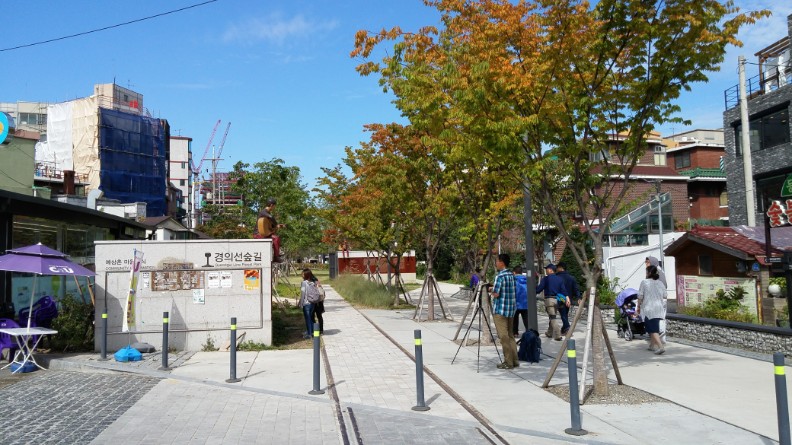
For Taiwan, the central lesson is not that every urban railway should be buried or elevated. Cities need transparent comparisons of lifecycle costs, construction disruption, land acquisition, rail capacity and environmental effects. They must also decide early how the space around the railway will serve residents after construction.
Tainan’s Oct. 18 opening will provide another test. Trains may soon move underground, but the project’s broader success will depend on completing later stations, rebuilding the surface corridor and delivering public space that addresses the communities affected during more than three decades of planning and construction.