
By Eryk Michael Smith/KHT Staff
KAOHSIUNG — Camping in Taiwan can mean pitching your own tent, checking into one with air conditioning, or spending an afternoon under a canopy with food and music before going home to sleep.
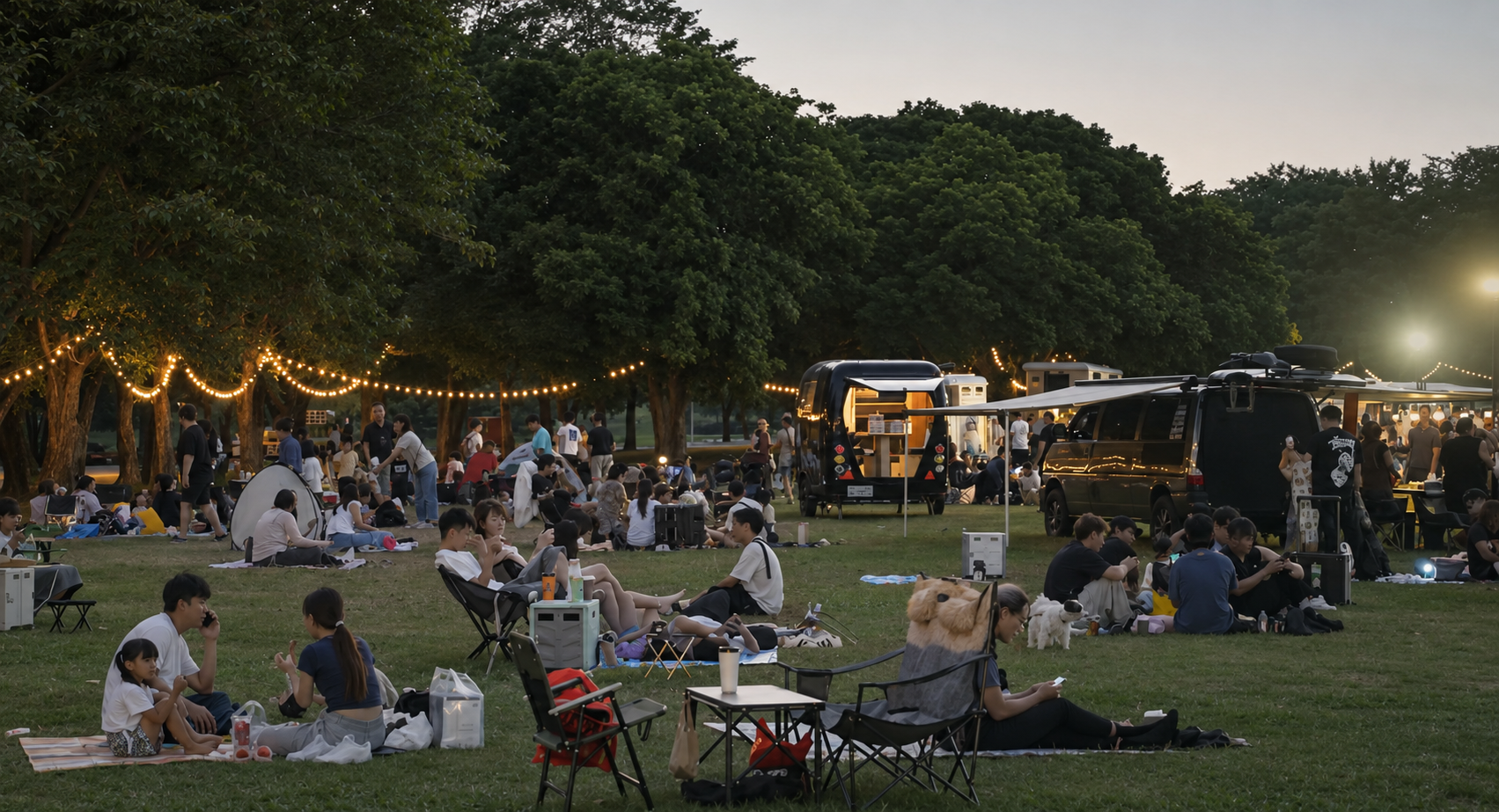
That range was reflected in Kaohsiung’s Wild Wild Lifestyle festival (高雄 Wild Wild 野生活), which opened Nov. 7 at Weiwuying (衛武營). On the sprawling lawn of the performance center were tents, camper vans, outdoor cooking, equipment, and family activities — a city-based introduction to a pastime that now extends well beyond the traditional campsite.
The event continues Sunday, Nov. 8 from 2 to 9 p.m. on the outdoor lawns of the National Kaohsiung Center for the Arts (衛武營國家藝術文化中心), according to the official event listing.
Taiwan’s camping scene has changed considerably over several decades. A 2025 study published in Taiwan Modern Tourism, hosted by the Tourism Administration (交通部觀光署), traces its development from scouting and school activities to family holidays, followed by the expansion of luxury camping and themed sites.
The study identified social media as a growth driver starting around 2015. Domestic travel then got a massive boost during the COVID-19 pandemic. However, the market faced new challenges after the pandemic, with operators realizing they needed new ways to attract new guests.
The Tourism Administration study offered some proposed directions, including creating more family- and pet-friendly sites, outdoor activities, and packages connecting accommodation with food and experiences.
Many campsites in southern Taiwan have already adopted a variety of those combinations.
At Baolai (寶來) in Kaohsiung’s Liouguei District (六龜區), camping is paired with hot springs. The city’s listing for 遠山望月 campground describes furnished safari tents and camper accommodation, with amenities including heating and cooling, private bathrooms, and hot-spring facilities; a good example of “glamping” — camping with the comforts associated with a hotel.
The city has also promoted a mix of ready-made tents, plots for visitors bringing their own equipment, and spots for camper vans at Baolai’s hot-spring park. These choices allow different members of a group to spend time at the same destination, but in very different ways.
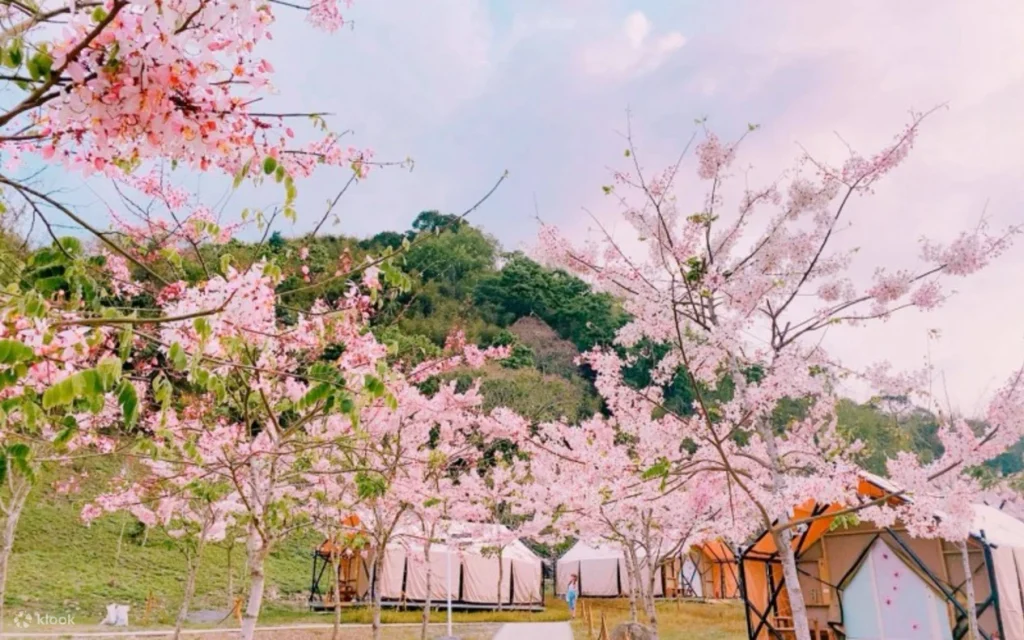
Another approach is connecting camping with nearby attractions. In its March camping promotion, the Kaohsiung Tourism Bureau (高雄市政府觀光局) combined campsites with hot springs, seasonal flowers, Indigenous culture, and spring firefly watching in Namasia District (那瑪夏區). The emphasis was on a wider trip, with the campsite serving as a base rather than the entire itinerary.

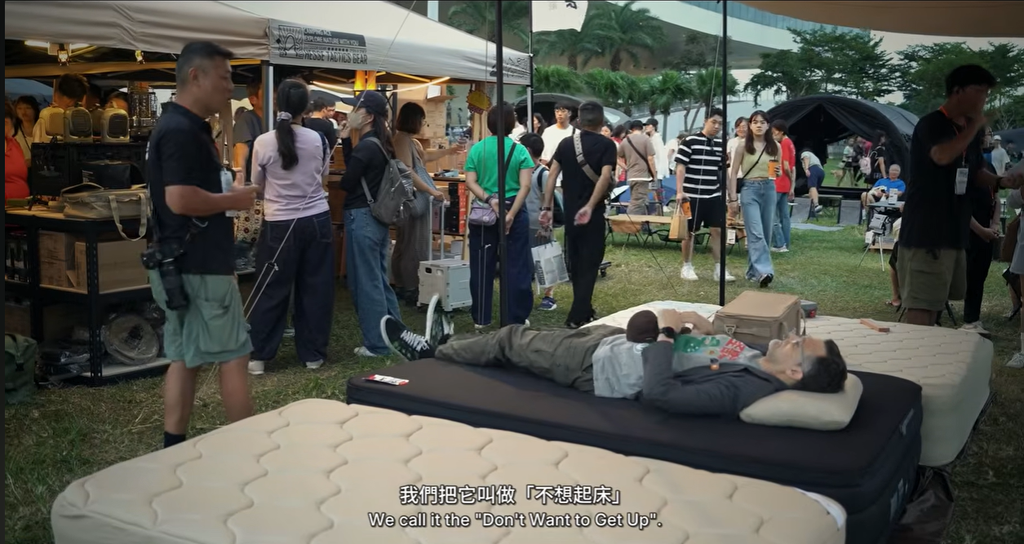
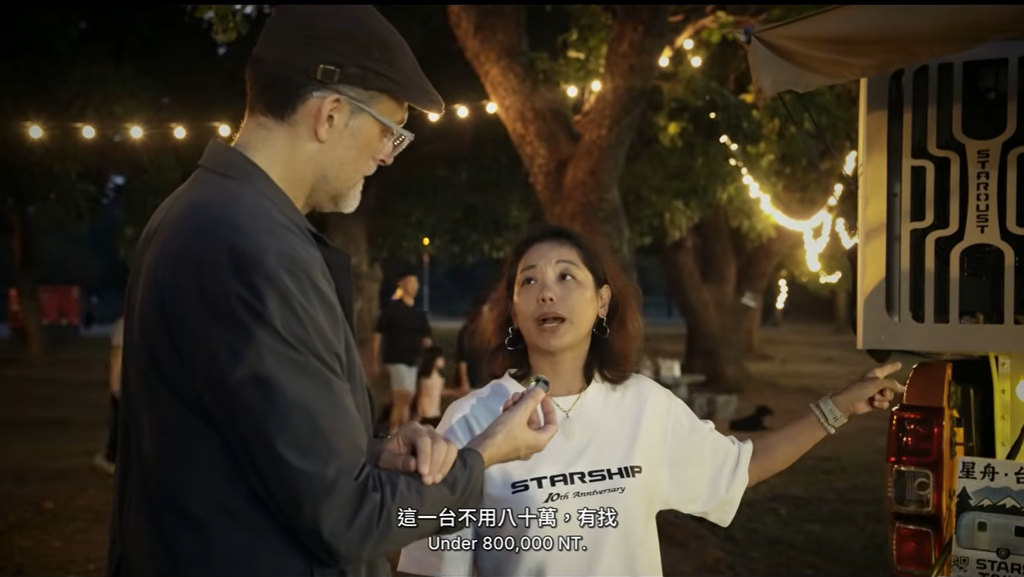
The event at Weiwuying was about learning what is possible and available for sale. From huge tents that sprout up in minutes via the power of compressed air, to add-on-a-pickup-truck mobile homes with AC, it’s surprising what’s new in the camping world.
The festival’s bookable tent lounges combined shelter and meals without requiring visitors to bring camping gear. Beginner sessions covered choosing tents, using equipment, and storing food, alongside cooking demonstrations and other outdoor activities.
Officials advise checking the registration info of a campsite you are interested in staying at through the Tourism Administration’s legal campground directory. Before booking, it is also worth clearly establishing what the price covers: a pitch, a furnished tent, meals, bedding, or additional activities.
Taiwan has so many places to explore — and don’t forget, Kaohsiung has the largest land area of any of the six metropolitan areas, and lots of that is wild mountains, with campsites perfect for a weekend away from sitting on your sofa watching yet more Korean dramas (and for kids, hopefully, a weekend away from homework).