

By Eryk Michael Smith / Staff
The 2026 Kaohsiung mayoral race will likely heat up significantly just after the end of the Lunar New Year holiday. Some, however, say they already see signs that it may not be an easy victory for Democratic Progressive Party legislator Lai Jui-lung (賴瑞隆), who is competing against the 2022 Kuomintang nominee, legislator Ko Chih-en (柯志恩).
Ko lost in 2022 to the DPP’s Chen Chi-mai, but she took just over 40% of the vote. Mayor Chen lost in 2018 to the KMT’s Han Guo-yu. But Chen has since been elected twice, taking over in a by-election in 2020 after Mayor Han Guo-yu was recalled, and winning in 2022. Chen, therefore, cannot run again.
The candidates have also weighed in with their views on the direction of the race. Lai recently warned against a repeat of the 2018 “Han Wave” phenomenon that swept former KMT Kaohsiung mayor Han Guo-yu into office, saying the DPP must remain vigilant and united to hold the city.

Over the weekend, the KMT’s Ko said she is sensing subtle but meaningful changes on the ground. Speaking on a political talk show, the China Times reports Ko said that the 2018 “Han Wave” was driven by a unique mix of personal charisma and political circumstances. This year, however, she believes the election environment is different.
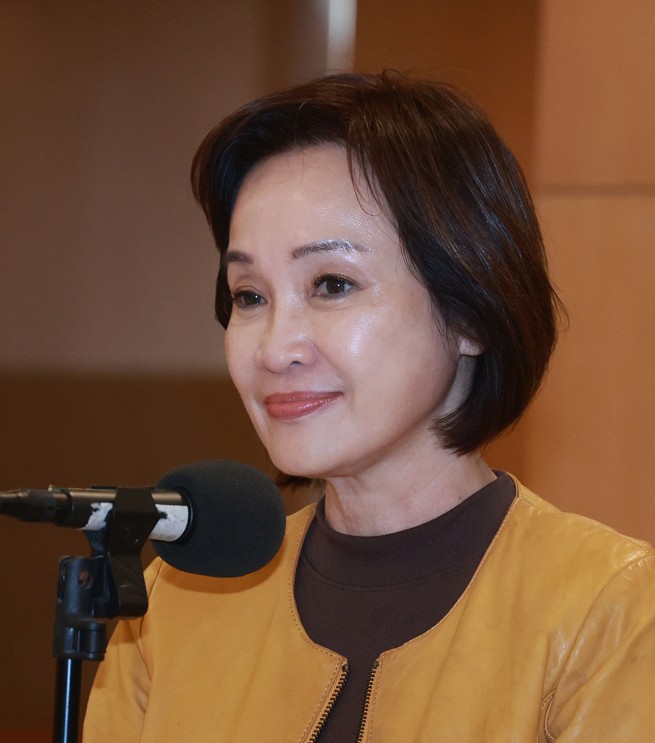
Ko pointed to roadside billboards, arguing they can be indicators of local political loyalties. In several cases, she said, property owners who previously would not lend or rent space to a KMT candidate are now more open to doing so.
Ko also noted that interactions with neighborhood ward chiefs have become noticeably more cordial. While she stopped short of claiming firm support, she described the shift as a “subtle but real” change in tone that could matter in a close race. At the same time, she cautioned against underestimating the organizational strength of the DPP’s New Tide faction, saying it remains a decisive force in Kaohsiung politics.
The contest for southern Taiwan’s largest city is widely seen as one of the most closely watched local races of 2026, with both camps testing whether long-standing political patterns in Kaohsiung will hold or are beginning to bend.