
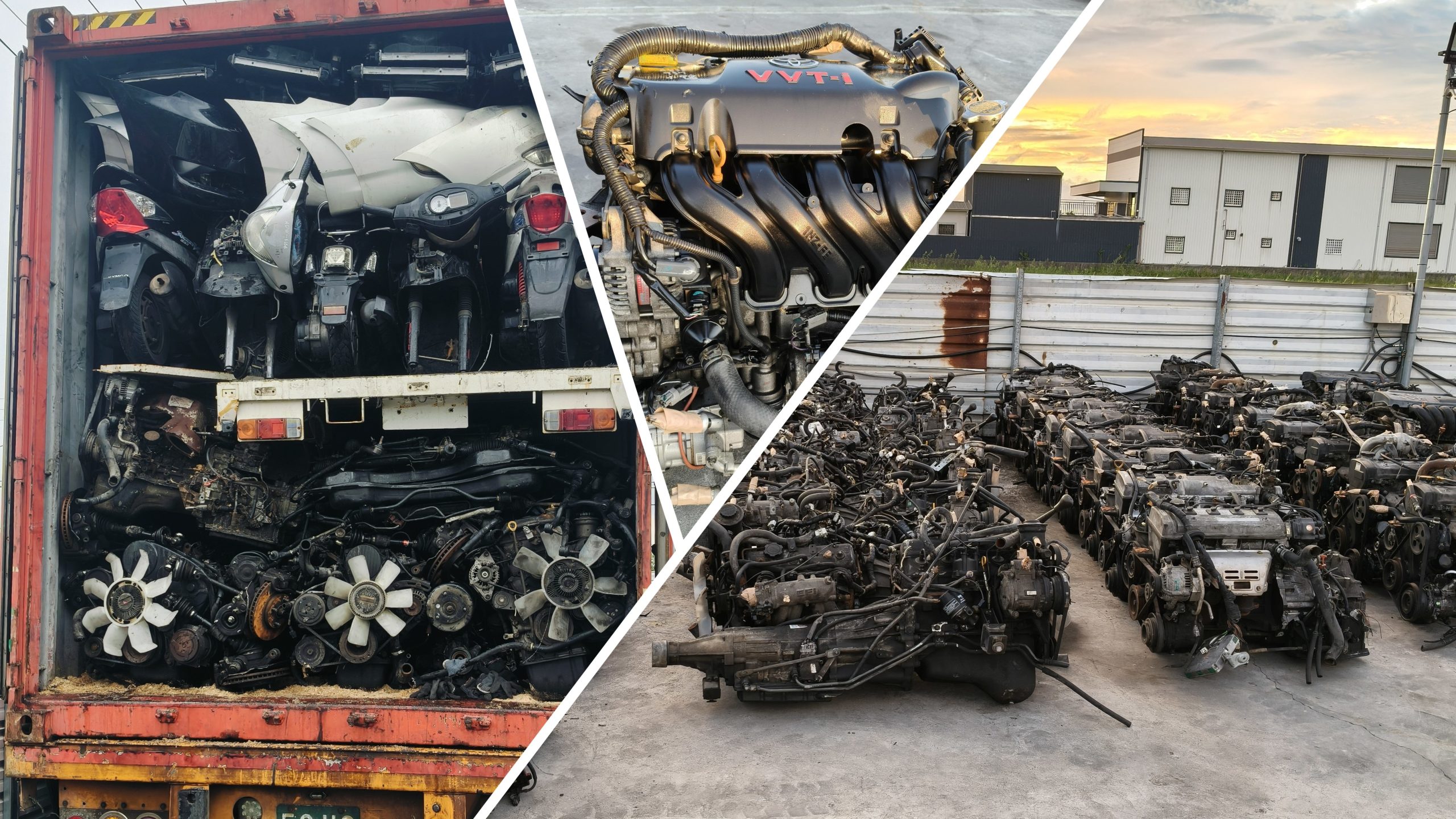
By Eryk Michael Smith/Staff. Images courtesy of Afritai Ltd.
TAINAN — A Tainan-based export company is turning Taiwan’s used vehicles and auto parts into a business linking local scrapyards with buyers in Africa.
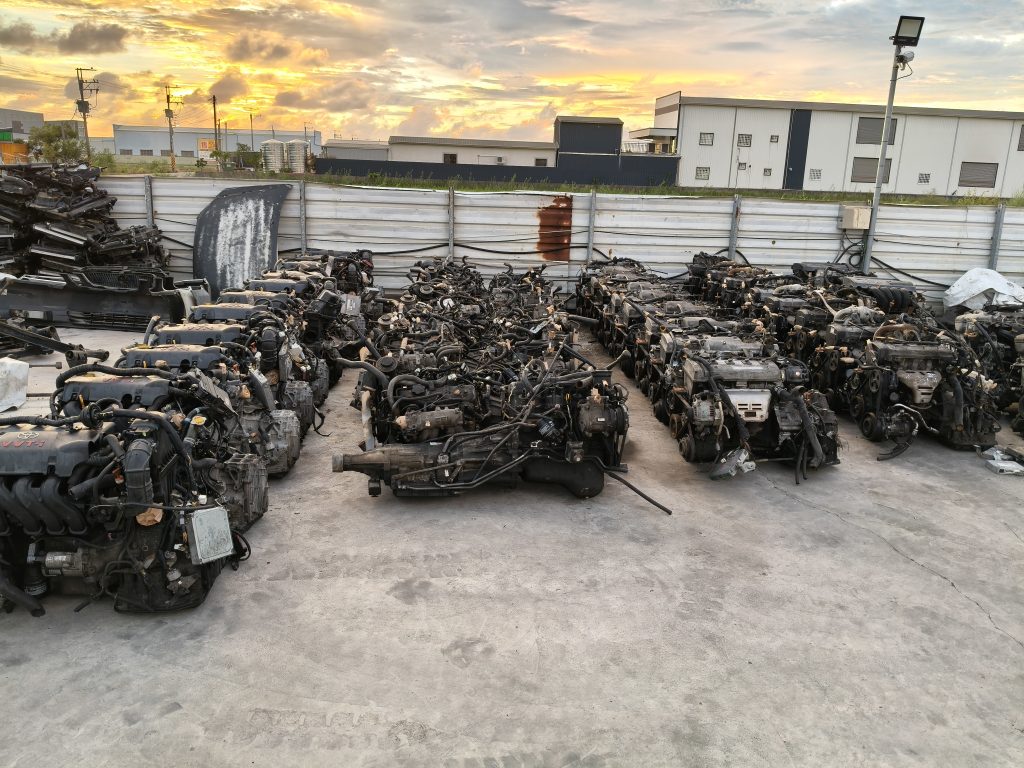
shipped to Kenya.
Afritai Ltd. (亞非台有限公司) founder Ubadigha Chinweze told Kaohsiung Times that he first noticed the opportunity while working part-time at a scrapyard as a student in Taiwan.
One of his jobs was helping load shipping containers bound for Africa. The experience showed him that many Taiwanese used cars and auto parts still had value in overseas markets.
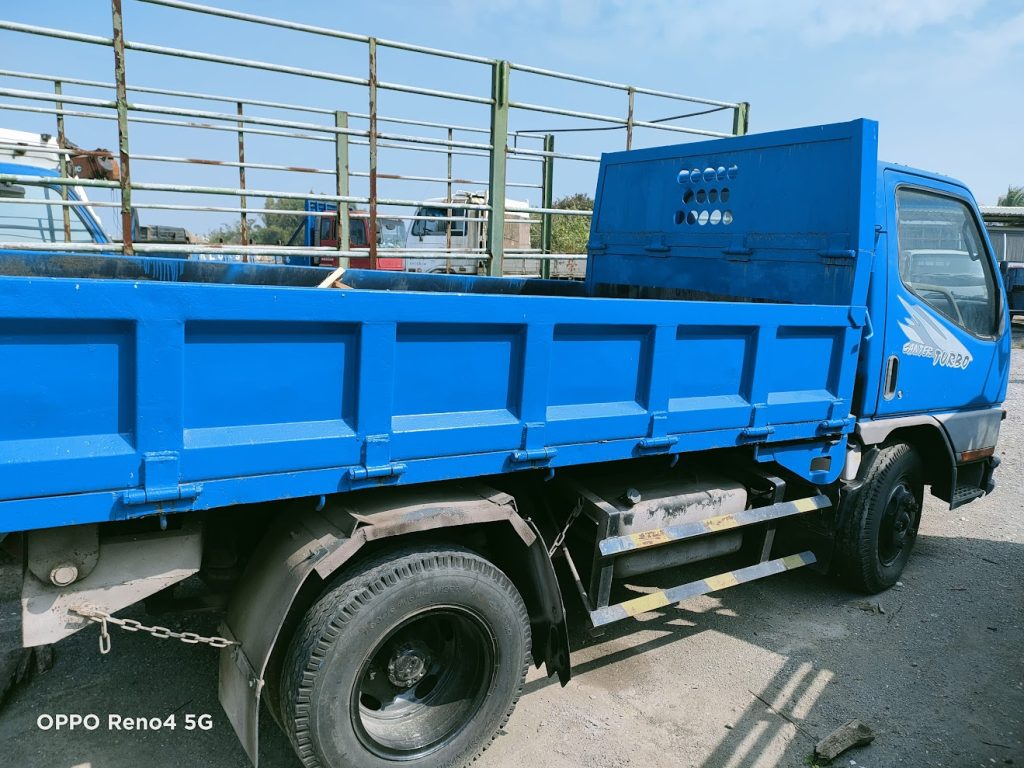
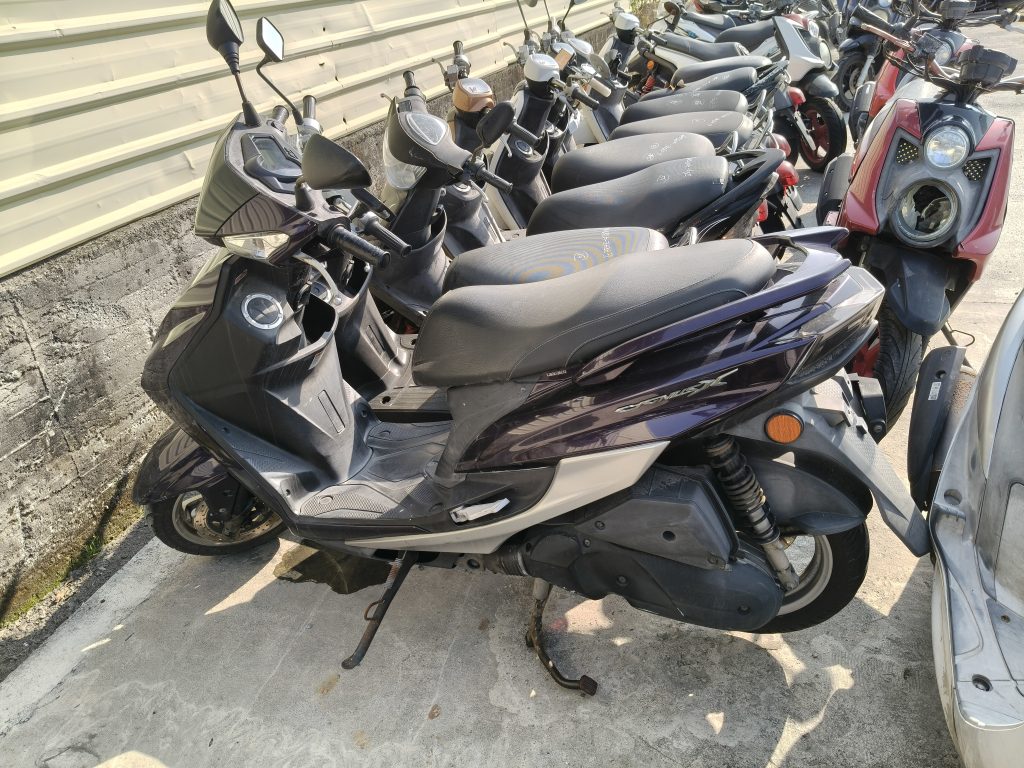
truck 7.7 tons.
Afritai now exports mostly complete vehicles, along with some auto parts. “Nigeria is the company’s largest market because of its population, economy, and role as a trading hub for West Africa,” Chinweze said.
Demand changes with the season, he said. Passenger cars and replacement parts often sell better around major events and holidays, including elections and Christmas, while demand for trucks and commercial vehicle parts tends to rise after harvest seasons.
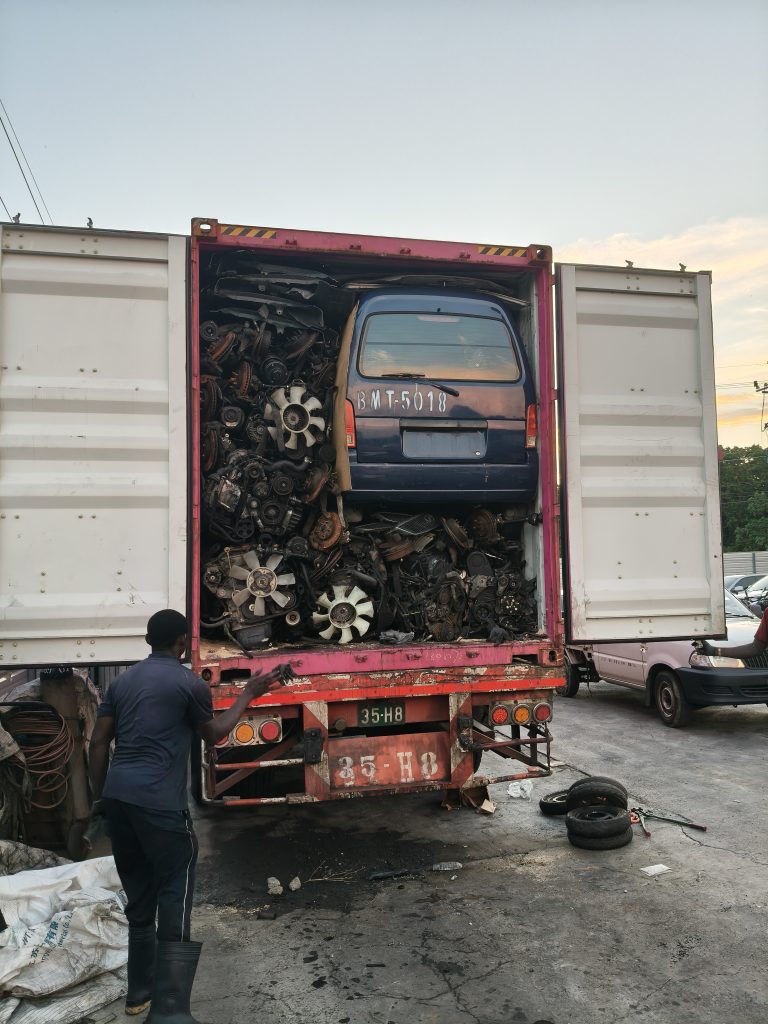
bound to Nigeria.
Taiwan’s used vehicles can be a practical fit for some African markets, Chinweze said. “Japanese used cars remain the top choice in many places, but Taiwanese vehicles often rank second and can be preferred in Nigeria because Taiwan uses left-hand-drive vehicles.”
Price is another factor. Depending on the model, Chinweze said Taiwanese used cars and parts can be about 20 percent to 60 percent cheaper than new vehicles or new replacement parts.
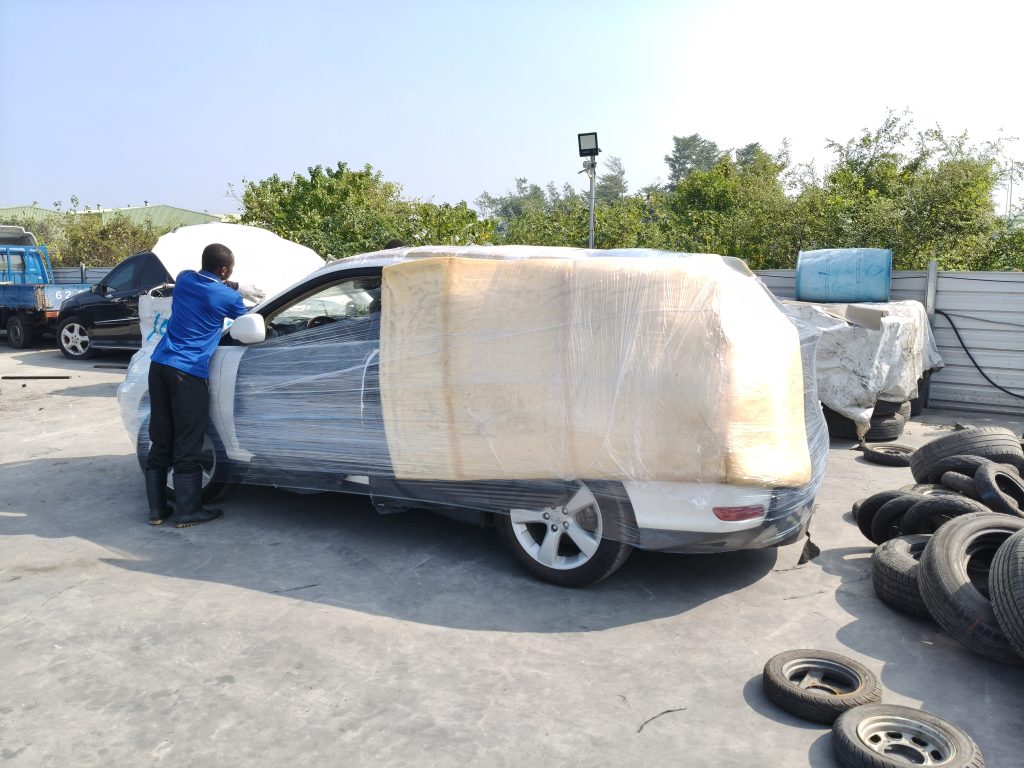
loading into the shipping
container.
Many of the vehicles Afritai exports have been designated as “to be scrapped” in Taiwan, where they are known as baofei che (報廢車). Chinweze said Afritai buys mainly from scrapyards, which are simpler to work with than used-car dealers, auctions, repair shops, or individual sellers because other sources can require more paperwork and higher costs.
“Taiwan’s routine vehicle inspections help keep many older vehicles in usable condition,” he said, while noting recycling plants and scrapping incentives help provide a steady supply of vehicles and parts.
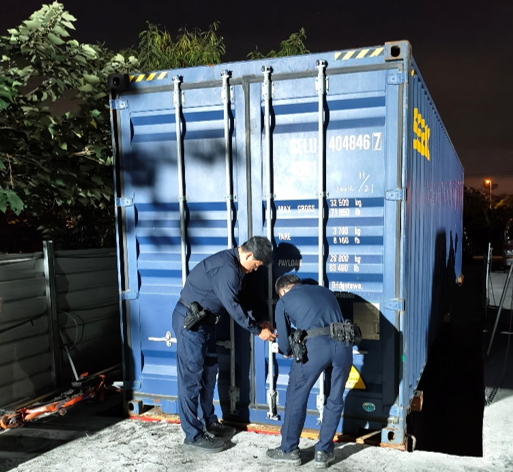
The business operates in a regulated part of Taiwan’s export trade. Taiwan’s export rules cover used vehicles, used engines, and still-usable scrap vehicles and engines.
Exporters must apply for “non-stolen vehicle verification” from the National Police Agency’s Third Special Police Corps (內政部警政署保安警察第三總隊) or its subordinate units before customs clearance.
Applicants may be required to provide documents such as vehicle registration records or documents from police or environmental authorities that identify a vehicle as legally abandoned.
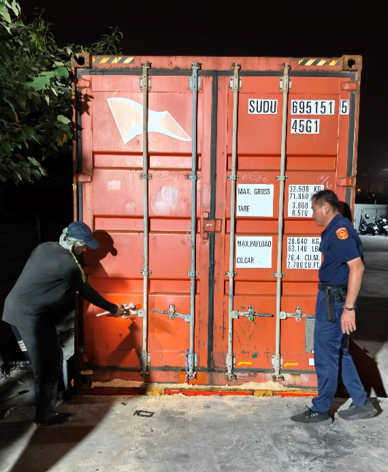
Inspections can take place at the container-loading site, a container yard, or another approved location, and containers must be sealed after inspection.
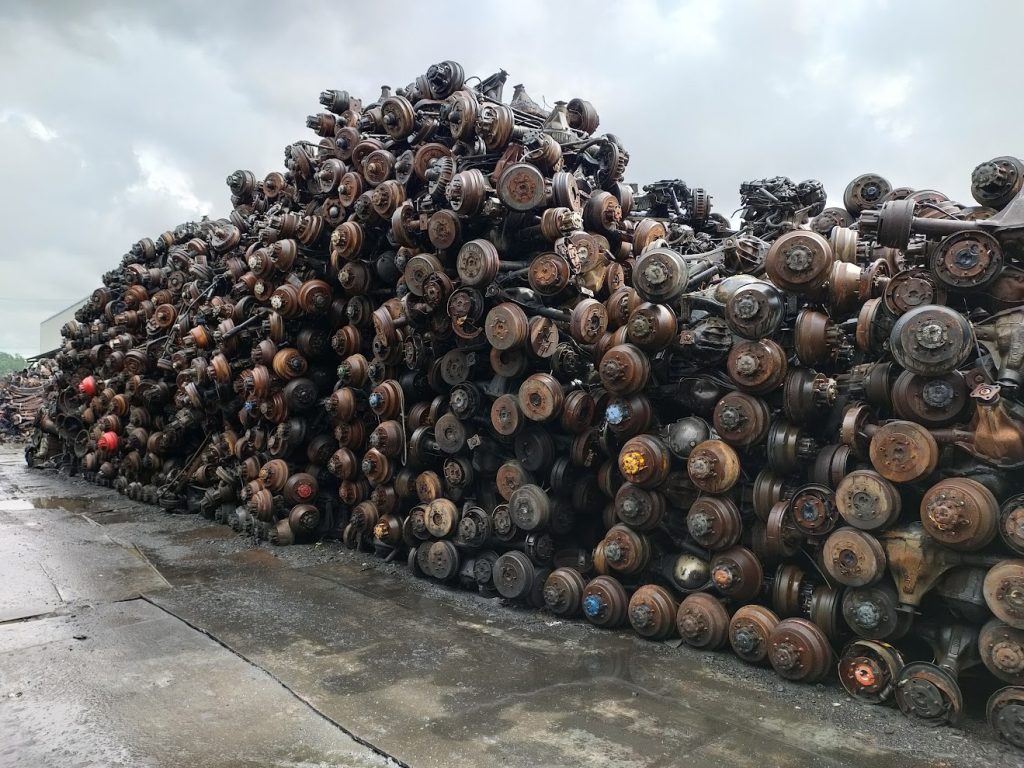
Trucks in Kaohsiung,
Taiwan.
Chinweze said Afritai checks vehicles and parts before export. “If defects are found, we decide whether repairs should be done in Taiwan or in the destination country, depending on customer needs and cost,” he explained.
The trade also raises environmental and safety questions. Exporting older vehicles can extend their useful life and reduce waste in Taiwan, but critics of the broader secondhand vehicle trade argue that it can shift pollution and safety risks to countries with weaker enforcement systems.
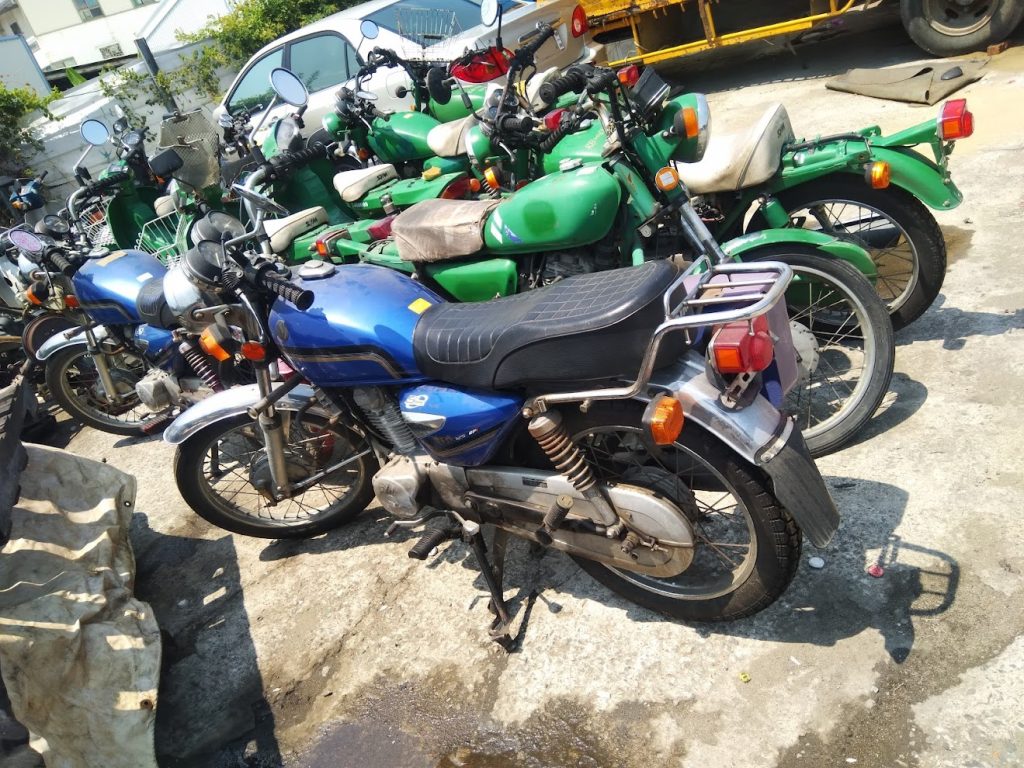
Cc]
“Responsible exporters should reduce those risks by checking vehicle conditions, following import rules, and making sure safety-related parts are roadworthy. Afritai uses trained staff and diagnostic tools to inspect components such as brakes, steering systems, and airbags,” Chinweze said.
He also said recycling itself carries an environmental cost because dismantling, smelting, and metal reprocessing require energy and create emissions. In some cases, he said, extending the life of a usable vehicle may be more practical than scrapping it early.
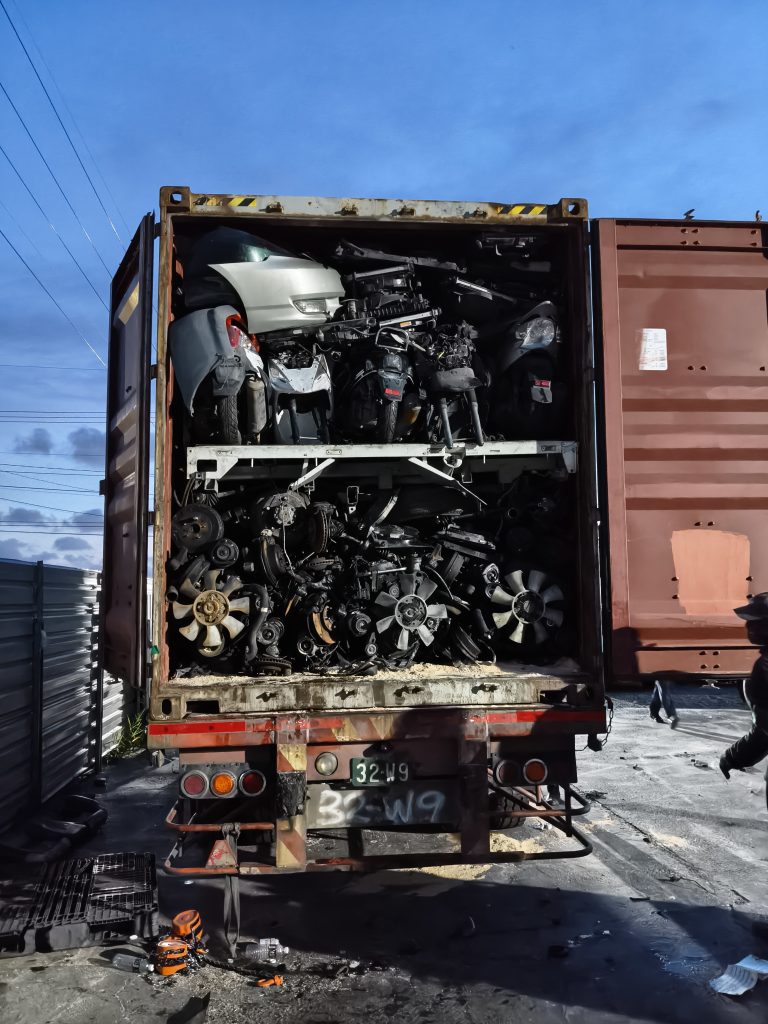
bound to Nigeria.
Still, Chinweze said Taiwan could strengthen the sector by creating a more formal certification system for used auto parts, especially safety-critical components.
Such a system would improve transparency and buyer confidence while helping Taiwan build a stronger reputation in the used vehicle and parts export market, he said.
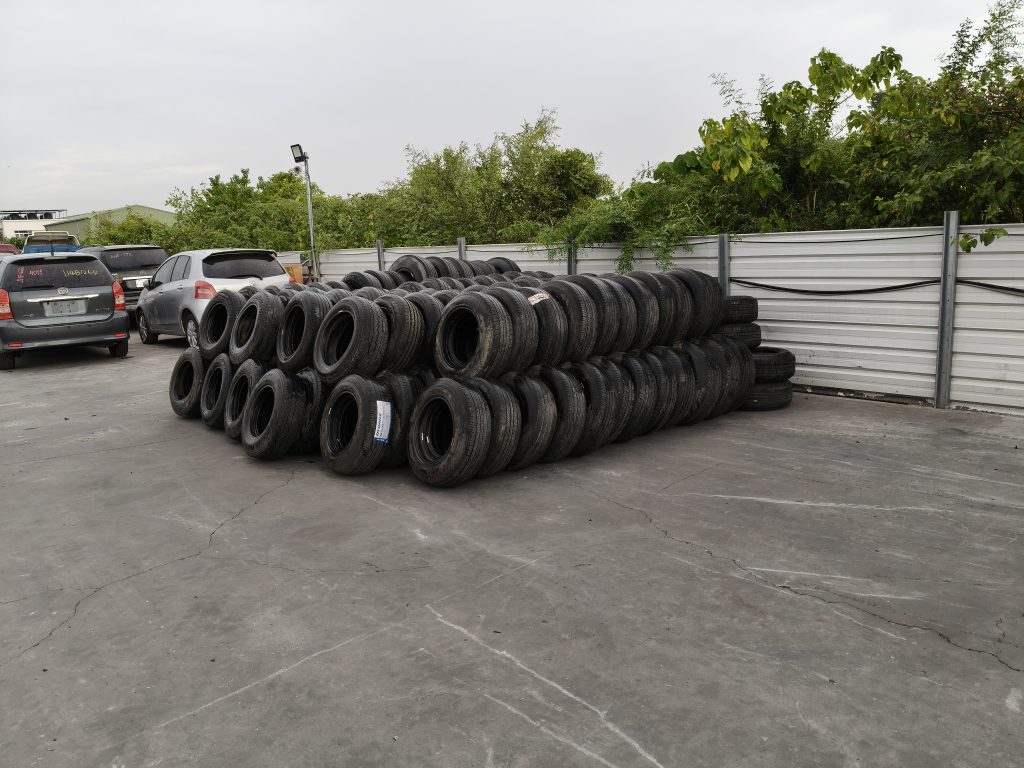
export.
For now, the company’s main challenges include customs rules, vehicle standards, import duties, and rising shipping costs. Chinweze said suppliers in Taiwan and buyers in Africa also often need help understanding each other’s markets.
Afritai already works with Taiwanese recyclers, but Chinweze said the company’s longer-term goals include building repair networks, developing certified inspection systems, and eventually expanding into manufacturing.