

By KHT Staff. Images via Pingtung County Government/Teching Hsieh website.
PINGTUNG — A rarely seen early oil painting by internationally known performance artist Tehching Hsieh (謝德慶) is being shown publicly for the first time at the Pingtung County Art Museum.
Tehching Hsieh (born December 31, 1950) is a Taiwanese -American artist who works and lives in New York City. He was an undocumented immigrant for fourteen years until he was granted amnesty in 1988.
Wikipedia
Hsieh, born in 1950, is considered one of Taiwan’s most important performance artists. He became internationally known for a series of five “One Year Performances” completed between 1978 and 1986, using his own body and time as the central materials of his work.
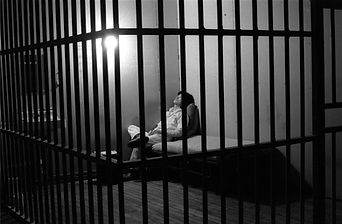
His best-known work, Cage Piece, was performed from 1978 to 1979. Hsieh locked himself in a wooden cage for one year, during which he did not speak, read, write, watch television, or listen to the radio. A friend delivered food and helped with basic needs, while the process was photographed and notarized.
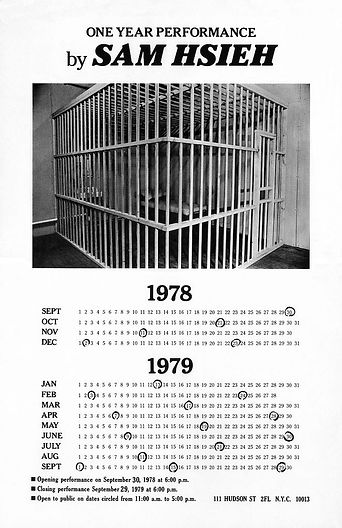
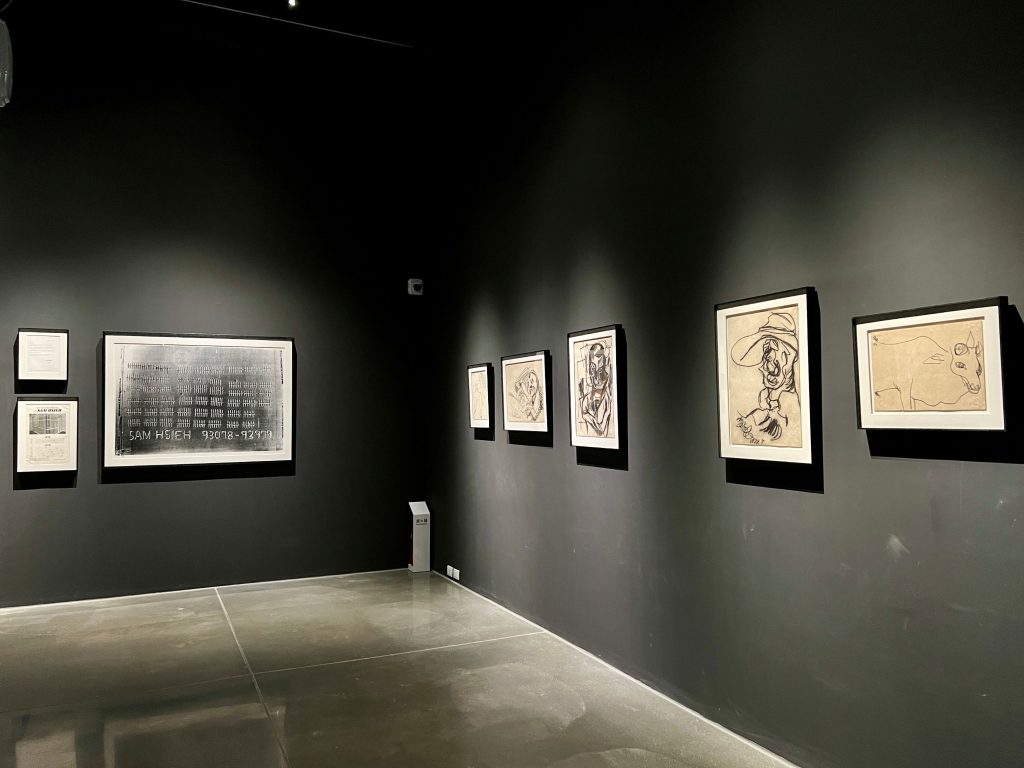
The Pingtung exhibition includes documentary materials related to Cage Piece, including print statements and posters that preserve traces of the performance.
The untitled 1971 painting by Hsieh, who was born in Nanzhou Township (南州鄉), had been out of public view for 52 years, the museum said.
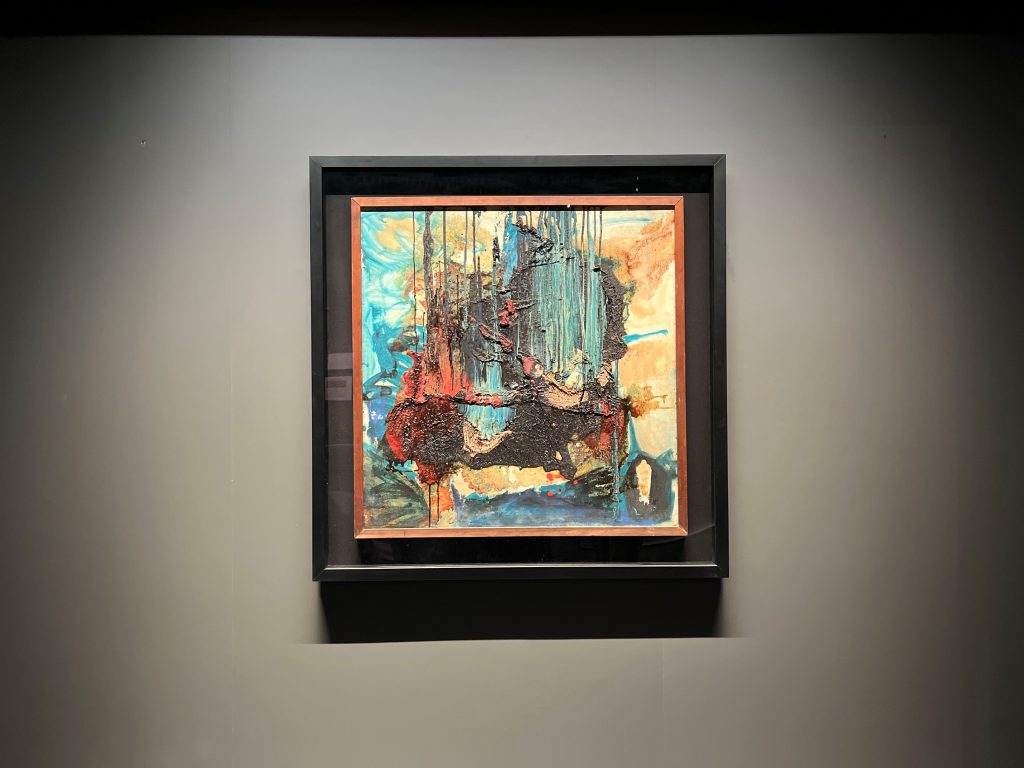
The work has been added to the museum’s current collection exhibition, Great Surge, Steep Shores (大湧崁岸), after a loaned work by artist Chen Chin (陳進) was returned to the Fukuoka Asian Art Museum in Japan at the end of its exhibition period.
The museum said Hsieh’s painting was borrowed from a private collection to continue the theme of the exhibition’s “Southern Pioneer” section, which highlights artists connected to southern Taiwan.
The newly displayed 1971 painting was created while Hsieh was serving in the military in Hsinchu. The museum said the work shows strong visual tension through its use of clashing colors.
The exhibition also includes early sketches by Hsieh from Pingtung County’s collection, showing figures and animals drawn with spare, confident lines.
The museum said the combination of early paintings, drawings, and later performance documents is intended to help visitors better understand Hsieh’s development from visual art to the body-and-time-based performances that later defined his career.