
By KHT Staff
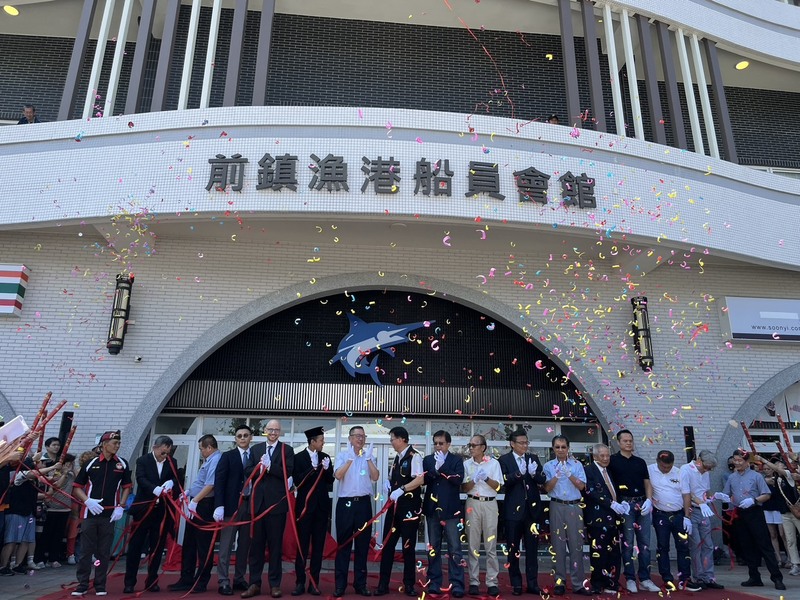
KAOHSIUNG — Taiwan’s Fisheries Agency (農業部漁業署) has defended the NT$405 million crew hostel at Cianjhen Fishing Port (前鎮漁港) following criticism that it has failed to meet the practical needs of migrant fishing workers.
The agency issued its response Sept. 13 after a news report described the building as an expensive bathhouse that workers could not afford to stay in.
Similar concerns were raised in a Kaohsiung Times opinion article by Shen Nai-hsun (沈迺訓), published the same day. Shen questioned whether the hostel had provided enough affordable accommodation and showers to justify its cost.
The government statement did not refer directly to the KHT article, but addressed several of the same issues.
The agency said the Cianjhen Fishing Port Crew Hostel (前鎮漁港船員會館) should not be judged solely by its showers. The building also provides accommodation, prayer rooms, internet access, dining, recreation and rest areas for workers returning from sea.
The facility has 60 double rooms and four four-person rooms, giving it a maximum accommodation capacity of 136. Its second floor contains 40 shower rooms. More than 15,000 migrant crew visits are recorded at the port each year, according to the agency.
Responding to reports of water problems, the agency said a broken external pipeline caused a temporary outage on July 1, but repairs were completed that day. It denied that the building has experienced a continuing water shortage.
However, the agency acknowledged that thousands of workers can return during the June and July squid-fishing season, creating sudden pressure on the showers and water system. It said fishermen’s associations and other organizations have been asked to encourage workers to use the facilities at different times.
The statement also acknowledged isolated complaints about odors in guest rooms. The agency said ventilation has been improved, some floor drains have been replaced and heat-recovery ventilation equipment is being tested while contractors investigate the remaining cases.
The agency said workers have responded positively to the hostel’s free facilities and accommodation. When the hostel fully opened in June 2025, the government said its first two floors were serving an average of about 300 people per day.
The latest response did not provide room-occupancy figures, average shower waiting times or details showing how many workers continue to bathe outside. It also did not directly address criticism that even discounted room prices may be beyond the budgets of many migrant workers.