
By KHT Staff
TAIPEI — Pingtung County has launched a long-term initiative to secure “Dark Sky Community” certification from DarkSky International, with Sheting Village (社頂部落) and the Jialeshui Scenic Area (佳樂水風景區) designated as pilot sites for controlling light pollution and protecting the natural night environment.
According to the Pingtung County Government, the program focuses on improving dark-sky-friendly lighting while maintaining public safety and usability. Since 2023, the county’s Transportation and Tourism Development Department (交通旅遊處) has identified ten priority stargazing sites and begun coordinated efforts involving lighting upgrades, community education, and the training of local stargazing interpreters.
The department emphasized that dark sky preservation does not require eliminating ground lighting, but rather redesigning lighting angles and fixtures to minimize upward light spill. As part of this effort, the county recently held a hands-on workshop titled “Dark Sky Friendly Lighting Improvement,” inviting Liu Chih-an, executive director of the Taipei Association of Amateur Astronomers, to demonstrate practical lighting modification techniques to residents of Sheting Village and Kangkou Village (港口村) in Manzhou Township (滿州鄉).
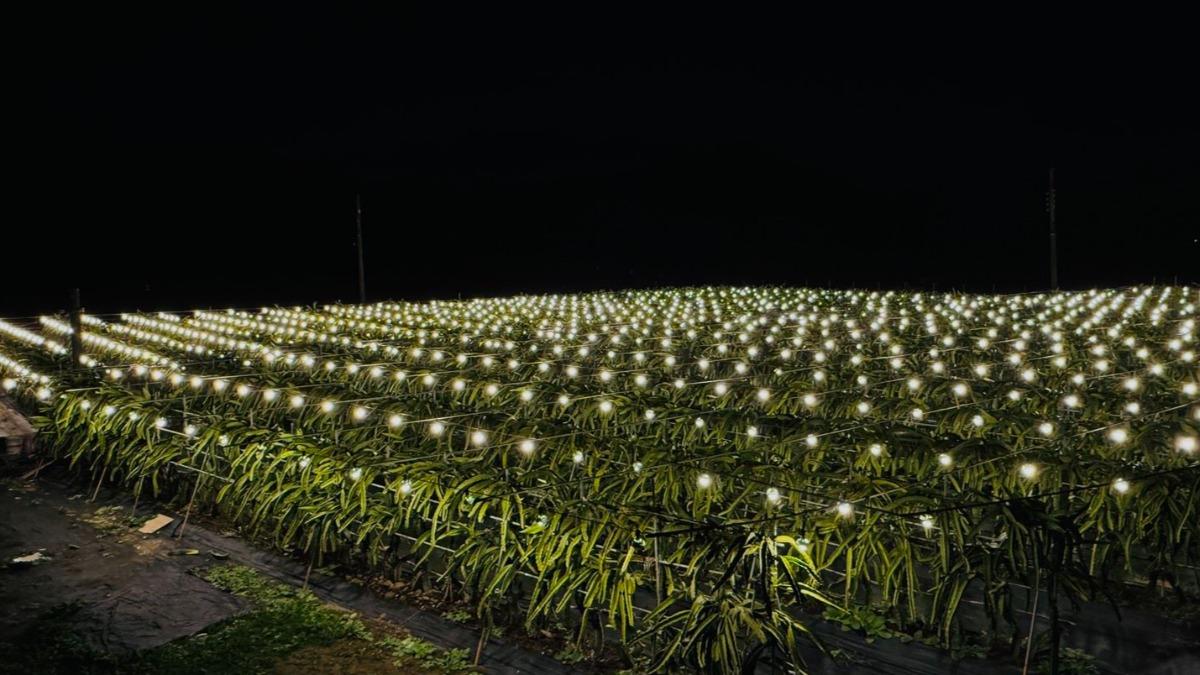
Kangkou Village Chief Yang Hsiu-lan said the community has actively participated in dark sky initiatives since last year. Kangkou has been designated one of Pingtung’s top ten stargazing communities, with priority given to improving lighting in agricultural areas such as orchards. A local farmer surnamed Pan (潘) said that after installing simple light shields, upward light leakage was significantly reduced, while ground illumination became more effective.
Liu noted that an estimated 30 percent of light produced by conventional fixtures is often wasted due to poor design. By adding basic shielding, light can be redirected downward, reducing light pollution while also conserving energy.
The Transportation and Tourism Development Department said achieving Dark Sky Community certification will require sustained effort. Future plans include enhanced nighttime light environment monitoring, the development of designated stargazing routes, guided night-sky tours, and the continued training of residents. Officials said the goal is to integrate environmental protection with community participation and sustainable tourism development.