
Opinion by Yu Jhou Chen (Kaohsiung American School – Grade 11)
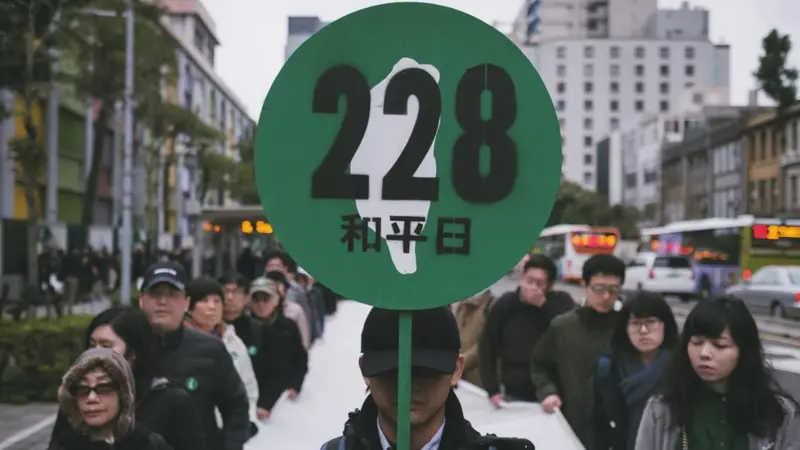
Annually on February 28th, Taiwan pauses to remember one of the most painful events in its modern history: the February 28th Incident of 1947. What started as a quick confrontation between a civilian and governmental authorities quickly escalated into island-wide protests, followed by a harsh crackdown and years of repression.
While many of those who directly experienced the suffering immediately following the uprising of 1947 have passed away, the wounds of 228 for many families here are still living memories — of parents or loved ones who served long prison sentences, were subjected to torments, or even disappeared. The year 1947 seems like a very long time ago for some, but 79 years is not even close to enough time for this “incident” to move into simply “history”.
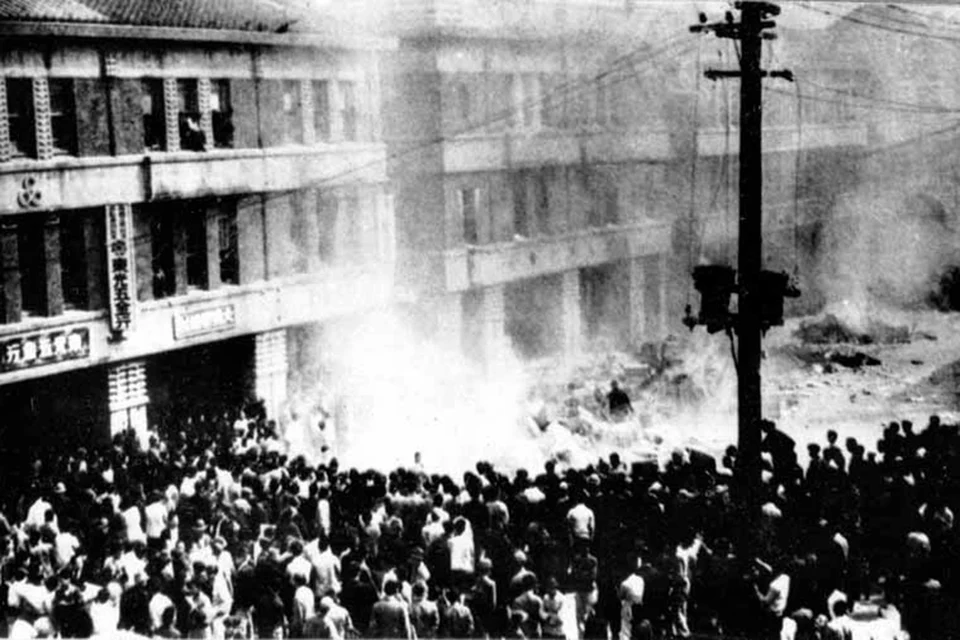
It is important to note that while Taiwan observes 228 as a national holiday, it is much more than just a day off. It is a culmination of years of repressed memory, passed down through generations of stories spoken in secret. Intellectuals, students, community leaders, and citizens were routinely arrested, disappeared, or executed in the aftermath of the February 28th incident. The tragedy marked the beginning of decades of political repression, known as the White Terror, during which fear became a part of daily life.
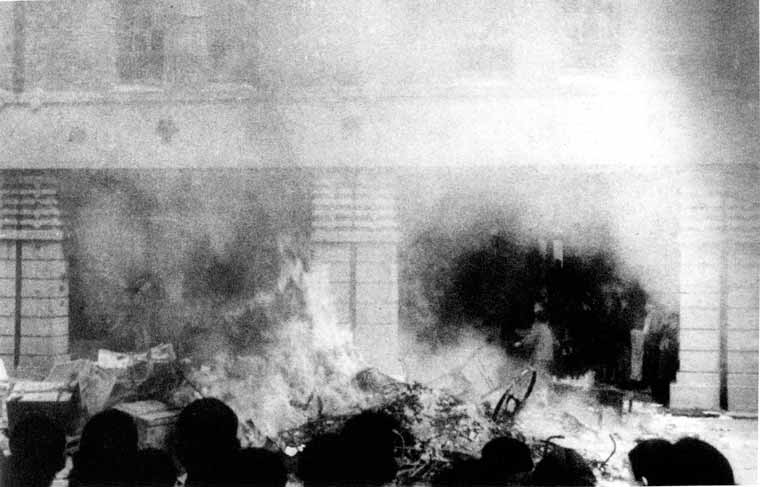
Yet our remembrance is not only about mourning loss. It is also about understanding how Taiwan transformed from authoritarian rule into the vibrant democracy it is today. For decades, discussion of the incident was forbidden. Only in the late twentieth century did public acknowledgement begin to emerge. Memorial parks and museums now stand as reminders of the injustice and resilience of our citizens. The reminders serve as reflections about government accountability and the responsibility of citizens to safeguard democratic institutions. Taiwan’s democratic freedoms were not inevitable achievements, but were achieved through struggle and sacrifice.
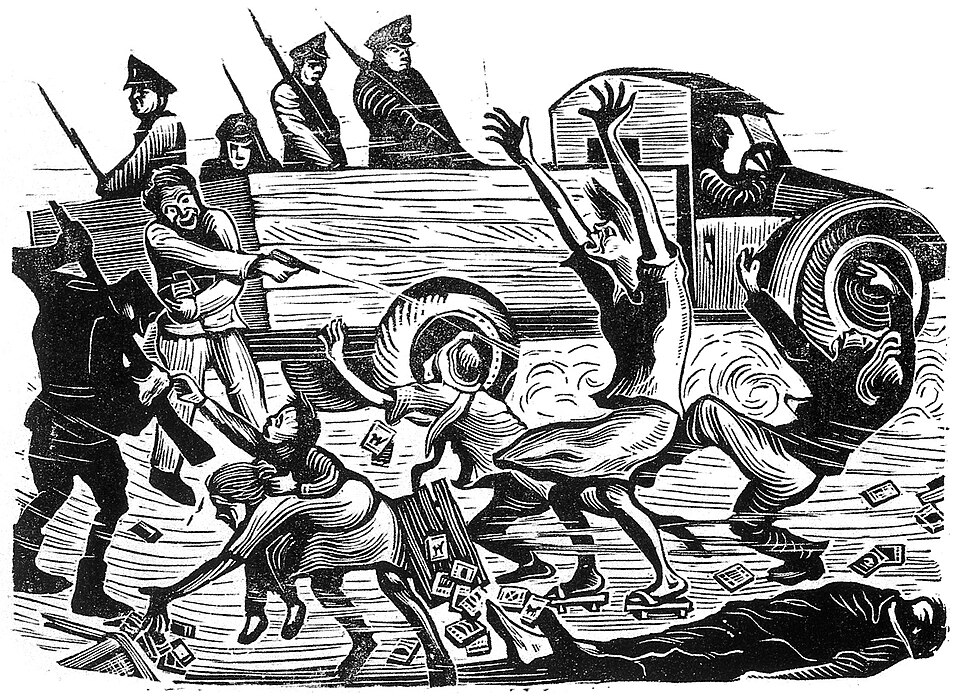
February 28th reminds us that democracy depends not only on the institutions that govern but also on the memory itself. By constantly remembering the past, Taiwan reaffirms its commitment to protecting freedom for future generations.