By Eryk Michael Smith/KHT Staff. Cover image via KH City Tourism Bureau.
KAOHSIUNG — Over the weekend, the city’s Tourism Bureau launched its summer “Wild East Kaohsiung” (野趣東高雄) campaign, seeking to draw visitors beyond the harbor and other downtown attractions into the city’s less-traveled eastern districts.
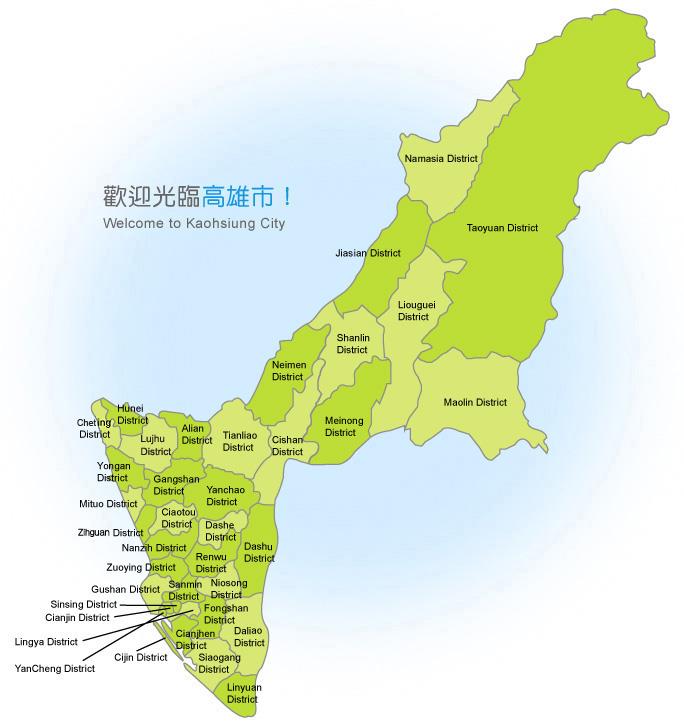
The campaign focuses on East Kaohsiung’s nine districts: Cishan (旗山), Meinong (美濃), Neimen (內門), Jiasian (甲仙), Shanlin (杉林), Liouguei (六龜), Maolin (茂林), Taoyuan (桃源) and Namasia (那瑪夏).
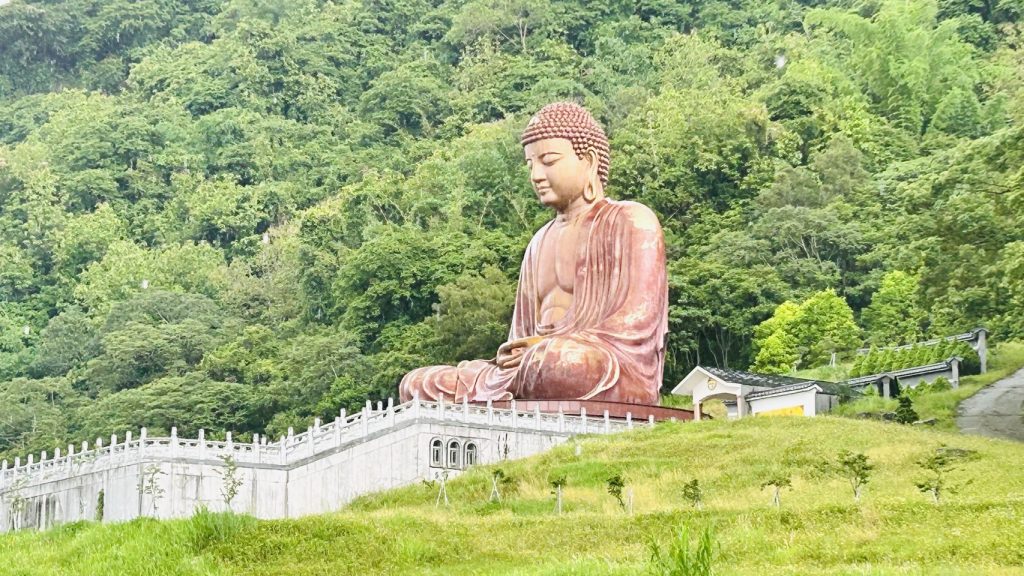
Via Wiki Commons Isocyclo – 自己的作品
Together, the districts form a broad mountain and rural belt that includes Hakka villages, Indigenous communities, old streets, hot springs, forest trails, agricultural areas, and river valleys.

The Kaohsiung Tourism Bureau (高雄市政府觀光局) said the upgraded Wild East Kaohsiung 2.0 campaign is meant to promote more sustainable tourism in the area by encouraging visitors to slow down, stay longer, and spend money in local communities.
This year’s program includes music events, markets, guided trips, hands-on workshops, lodging promotions, and food stalls featuring products from East Kaohsiung’s mountain, Hakka, and Indigenous communities.
The first major summer event was the Wild East Kaohsiung Cishan music market, held Saturday and Sunday at Cishan Public Stadium (旗山公共體育場). The event featured live performances, local food, cultural and creative products, agricultural goods, and free shuttle service from the Cishan Sugar Factory parking lot.
Performers included Golden Melody Award winner Hsu Fu-kai (許富凱), who is from Cishan, along with the Nibun Choir (尼布恩合唱團), Niaobu Band (尿布樂團), Song De-he (宋德鶴), Deng Ruan Fanhui (等阮返來), Chen Ching-hao (陳景皓), Heisesu Band (黑色素樂團), and Sinail Band (斯奈樂團).
More than 40 vendors joined the Cishan market, giving visitors a chance to sample food and products from across East Kaohsiung without having to visit every district in one trip.
The bureau said the campaign also includes six themed travel routes and 20 small-trip sessions, with some trips reaching forest areas as high as 1,500 meters above sea level. The routes combine natural scenery with Indigenous culture, Hakka and Minnan communities, new immigrant food traditions, and local craft industries.
The goal is to position East Kaohsiung as more than a quick day trip, officials said. Instead, the campaign encourages two-day, one-night travel that links old streets, farms, temples, trails, workshops, hot springs, and local restaurants.
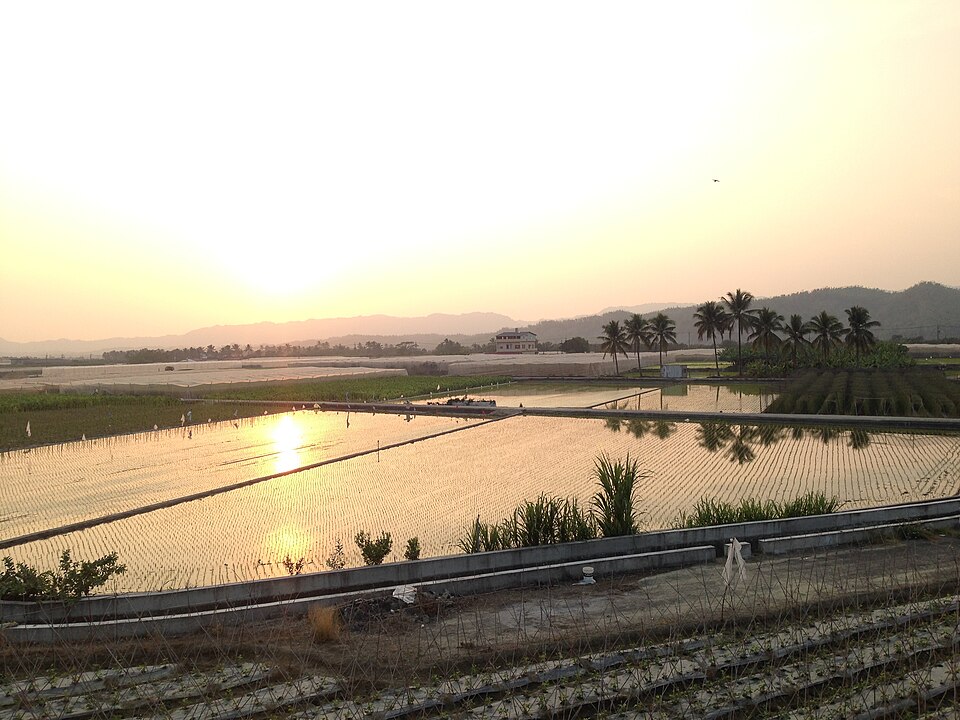
Cishan and Meinong are among the best-known gateways to East Kaohsiung, with Cishan’s old street and banana industry and Meinong’s Hakka culture, paper umbrellas, tobacco barns, and rural scenery.
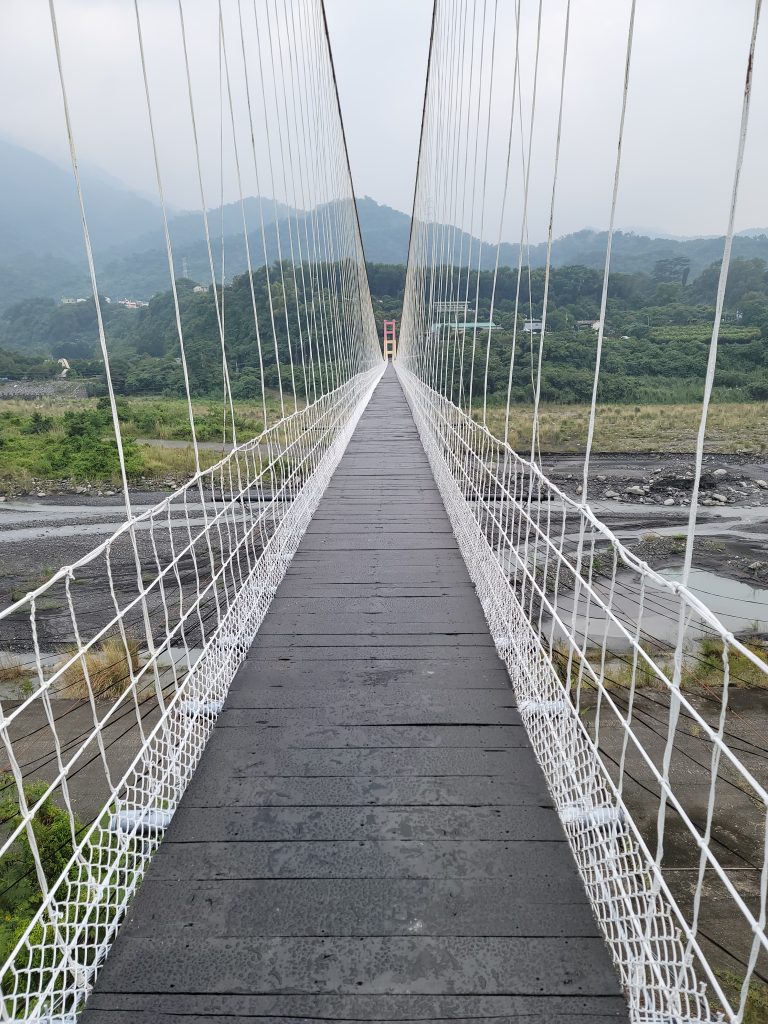
Farther east, Liouguei and Baolai are known for mountain roads, river scenery, and hot springs, while Maolin is associated with Indigenous culture, stone-slab houses, mountain landscapes, and seasonal purple crow butterfly migration.
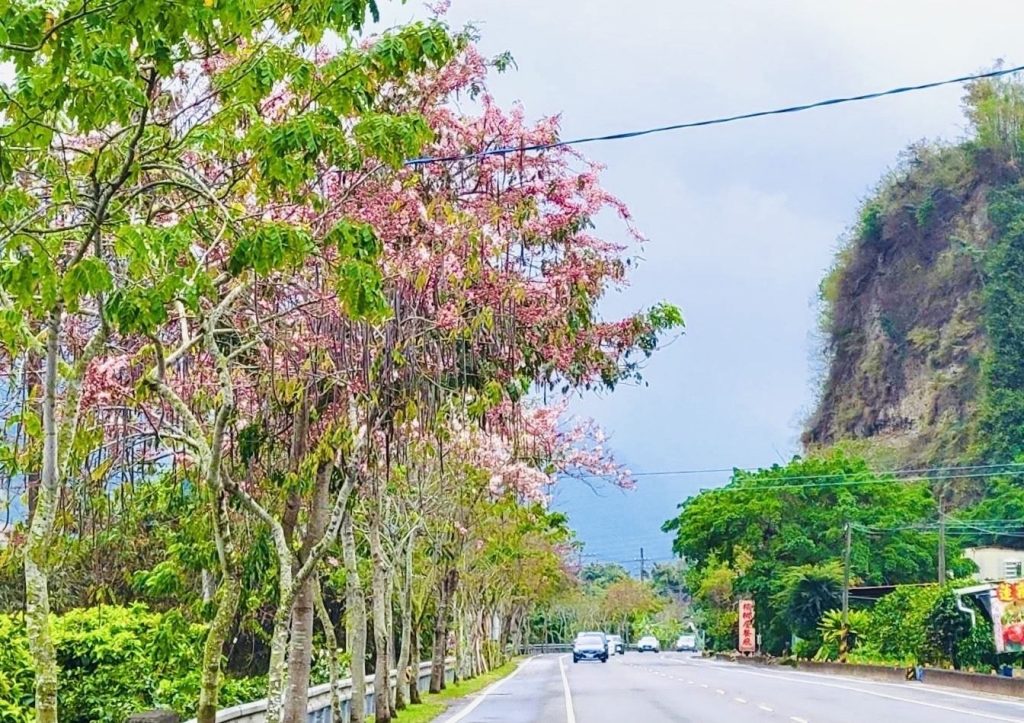
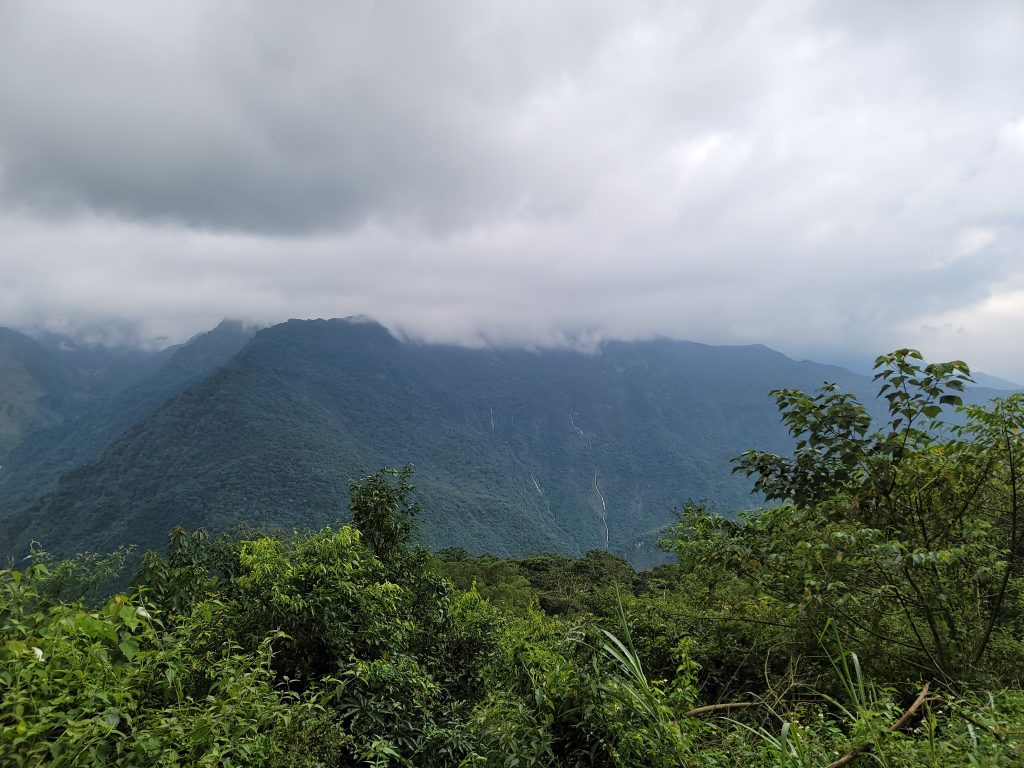
Taoyuan and Namasia offer higher-elevation scenery and Indigenous community tourism, while Jiasian, Shanlin, and Neimen connect food, agriculture, folk religion, performance traditions, and rural landscapes.
A second Wild East Kaohsiung event is scheduled for Aug. 29 in Jiasian, with music, food, and local activities planned. Detailed information about that event has not yet been released.
Tourism Bureau Director Kao Min-lin (高閔琳) said that East Kaohsiung has a rich ecology, diverse cultures, and local craft traditions, and called on visitors to use the summer to explore the area at a slower pace.