
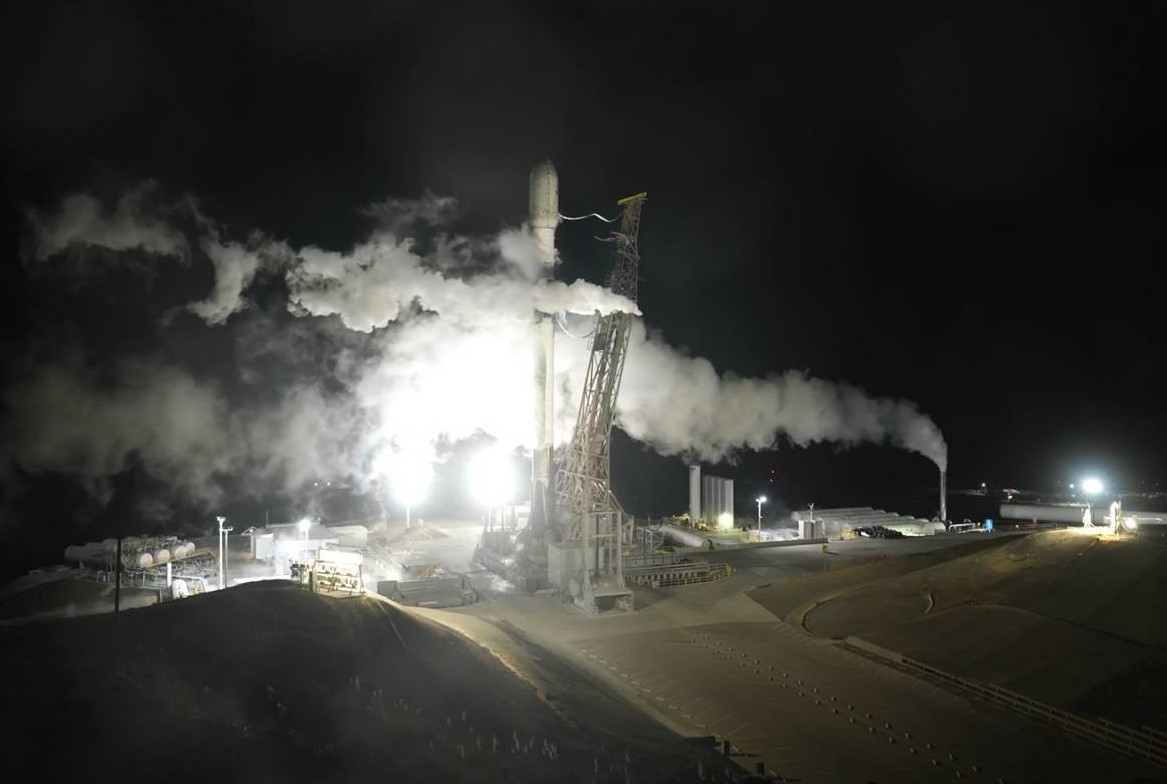
By RK Shih/Staff. Images via Pingtung County Government.
PINGTUNG — A piece of wood from a ceremonial Wangye boat in Pingtung County was sent into low Earth orbit aboard a SpaceX mission Tuesday as part of a project linking local religious traditions with space technology.
The material was a piece of wood retained from the construction of a ceremonial boat for the Donggang Donglong Temple (東港東隆宮) Wangye Welcoming Festival, also known as the King Boat Festival. It was sent into orbit through the “Milky Way Watch” (天河守望) project, a collaboration between the Pingtung County Government and National Central University (國立中央大學).
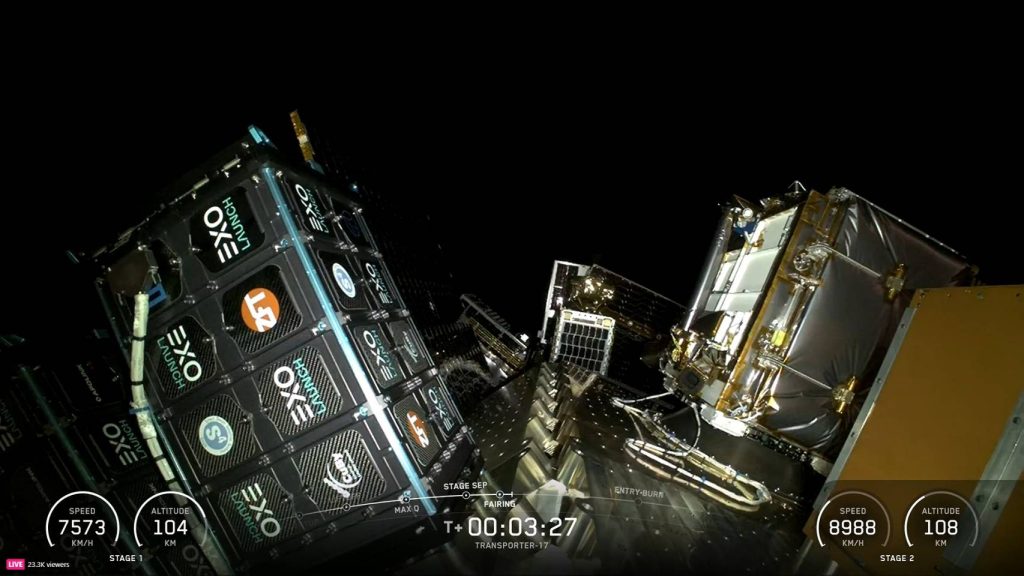
Pingtung County Commissioner Chou Chun-mi (周春米) said the project connected the county’s growing space sector with local culture and education. The launch also marked the project’s first successful test, bringing together cultural research, digital humanities, and aerospace technology, according to local officials.
Pingtung hosted the first Taiwan Cup Rocket Competition last year, providing students and young aerospace researchers with a platform to test designs and develop technical skills.
Chou said the latest project could also introduce younger generations to the Wangye festival, one of southern Taiwan’s most prominent religious traditions.
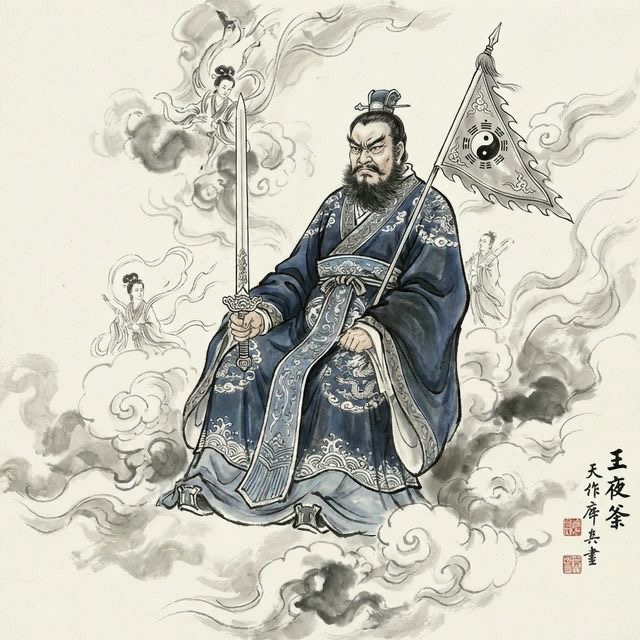
During the festival, worshippers welcome deities known as Wangye, who are believed to inspect communities and drive away disease and misfortune. The ceremony traditionally concludes with the burning of an elaborately constructed wooden boat.

Pingtung officials have promoted the county as a center for Taiwan’s emerging space industry. The National Science and Technology Council operates a rocket launch site in Jiupeng (九棚), Manzhou Township (滿州鄉), while the Pingtung Science Park has listed aerospace companies among its investment targets.
A livestream of Tuesday’s launch drew comments from worshippers celebrating the symbolic return of the Wangye deities to the heavens.
Some viewers also expressed anticipation for the next Donggang Wangye Welcoming Festival, scheduled for 2027.