
Listen on Spotify, Apple, YouTube, or at formosafiles.com
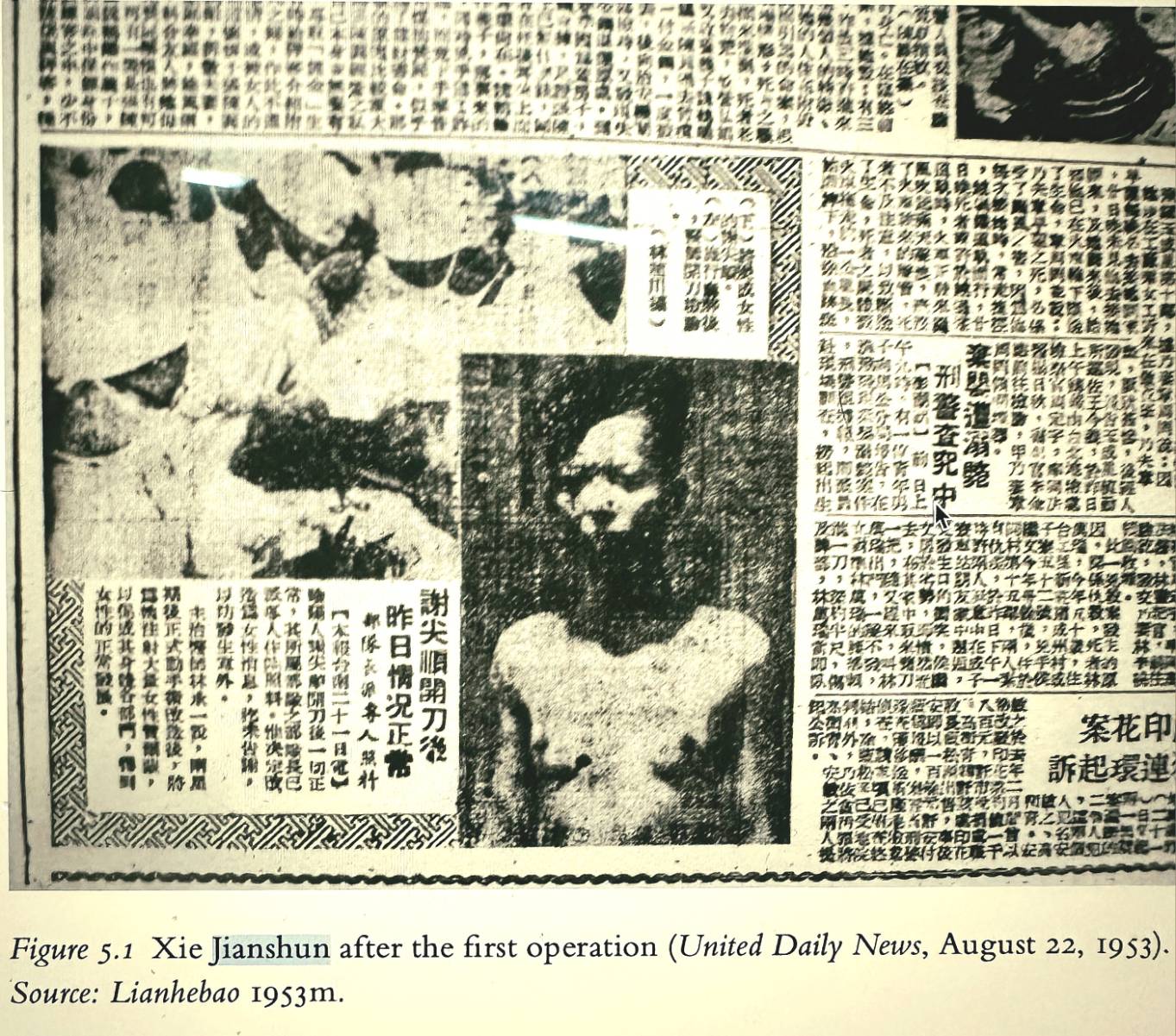
We start with the relatively unknown story of Taiwanese boys condemned to become eunuchs in Emperor Qianlong’s imperial palace, their fate sealed simply because they were the young sons of rebels. We then turn to the first gender affirmation surgery (as it might be called today) performed in Taiwan, way back in the early 1950s, with the remarkable case of soldier Hsieh Chien-shun (謝尖順), the so-called “Chinese Christine.“
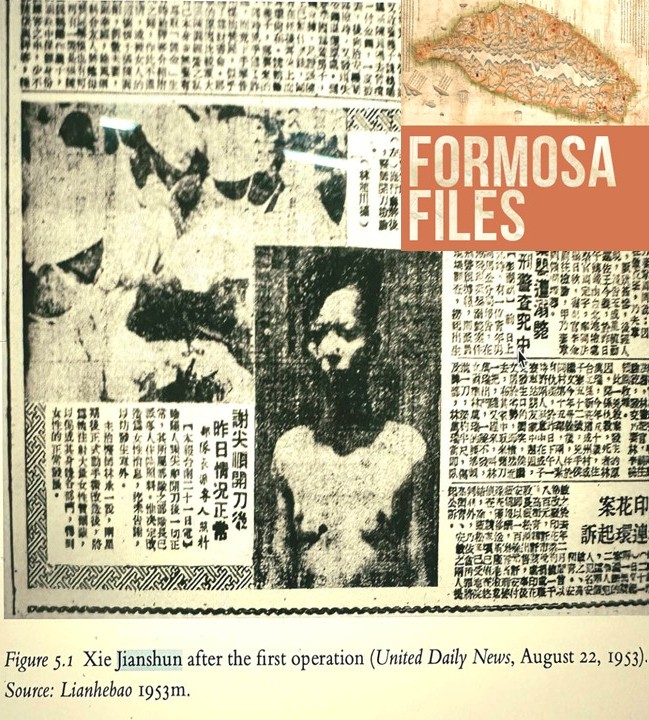
In 1953, the discovery of Hsieh’s medical condition and the ensuing series of operations became front-page news across Taiwan, with newspapers turning a deeply personal matter into a national spectacle. We explore the ethics of the case. Hsieh was reluctant to transition to female and only agreed after considerable pressure, making it much less of an “affirmation.”
Despite the sensational journalism and Cold War nationalism surrounding one of the most unusual episodes in Taiwan’s modern history, Hsieh’s ordeal may have foreshadowed the island’s later development as one of Asia’s most progressive societies on issues of gender and sexuality.