
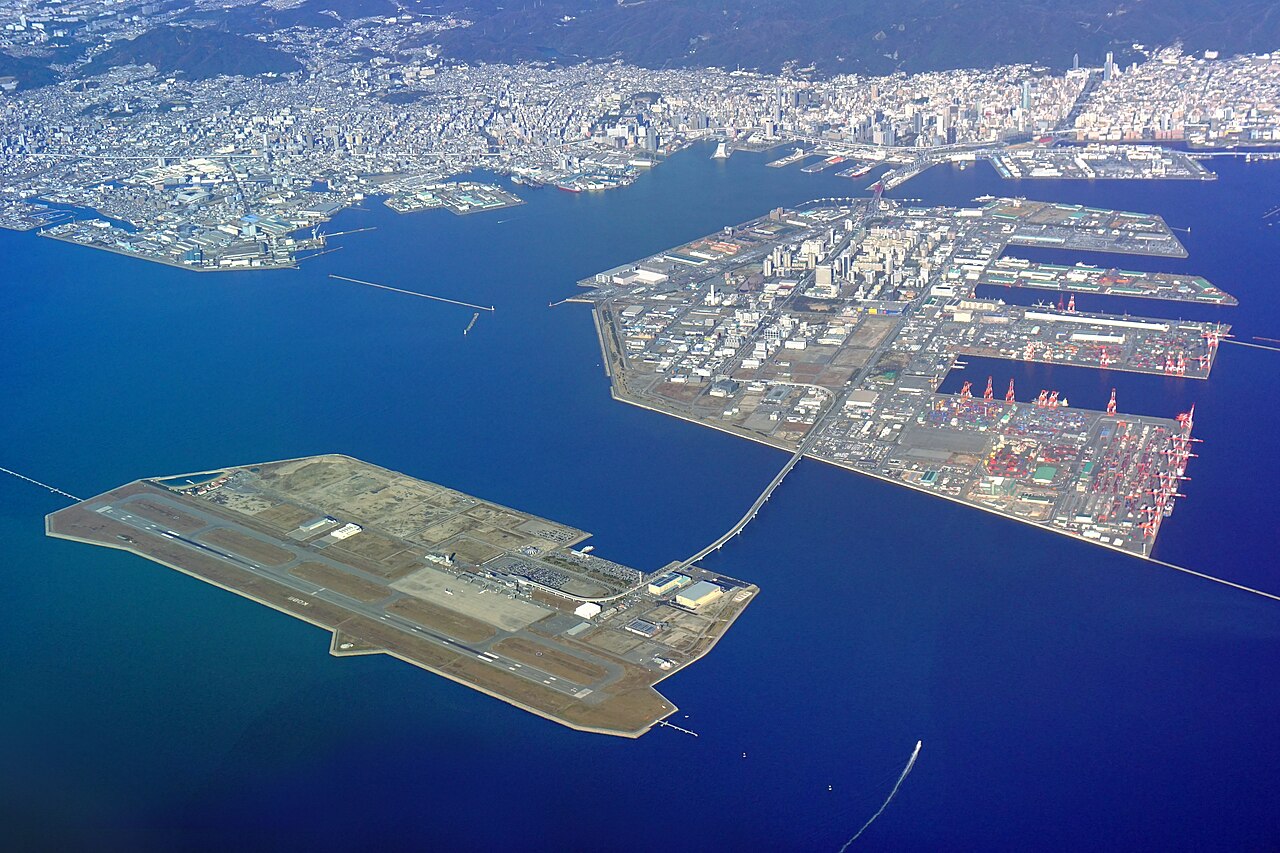
By KHT Staff. Image of Kobe Airport via Wikimedia Commons/663highland.
KAOHSIUNG — An offshore airport can move aircraft noise away from homes. But reducing noise solves only one issue, and doesn’t answer questions about demand, financing, transport links, and how neighboring airports should share the market.
A recent article by local civic group 高雄好過日 argues that Taiwan should closely study Japan’s Kobe Airport as Kaohsiung considers a possible new international airport near the Nansing reclamation area (南星計畫區).
The comparison is timely. STARLUX Airlines has announced daily Kaohsiung–Kobe flights beginning Jan. 1, 2027. Kobe City classifies the service as an international charter operation, reflecting restrictions that still distinguish Kobe from nearby Kansai International Airport.
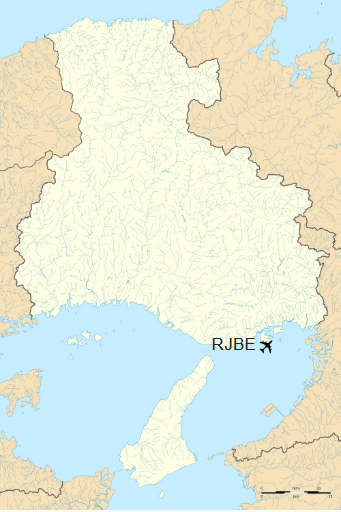
A runway was only part of the challenge
A historical account by 高雄好過日 traces how opposition to an offshore airport near Kobe eventually gave way to support for a smaller local airport. Meanwhile, Kansai International Airport opened elsewhere in Osaka Bay, and Osaka’s existing Itami Airport remained in operation.
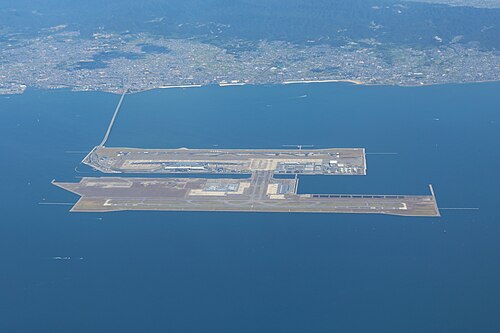
The result was a regional planning challenge: how should three airports serve overlapping markets?
Kobe’s own project also faced sustained public opposition, particularly over spending priorities after the devastating 1995 earthquake. A 1998 statement from the Kobe Bar Association records 307,797 verified signatures seeking a referendum on airport construction.
When Kobe Airport finally opened on Feb. 16, 2006, its operating conditions limited its reach. According to Kobe City’s official history, it initially operated from 7 a.m. to 10 p.m., with a maximum of 60 aircraft movements a day.
Integration came later. In 2018, Kobe joined Kansai and Itami under the same airport operating group. Subsequent agreements expanded its hours and flight allowances. International charter services began on April 18, 2025, while regular international services are targeted for April 2030.
Put simply, completing an airport does not guarantee that airlines can immediately operate the routes or schedules its supporters envision.
Nansing is still a proposal
Kaohsiung’s proposed offshore airport has not reached the construction stage.
Mayor Chen Chi-mai (陳其邁) told city councilors on Oct. 14 that consultants were examining financial returns, engineering, operating models and location options, including areas around Nansing.
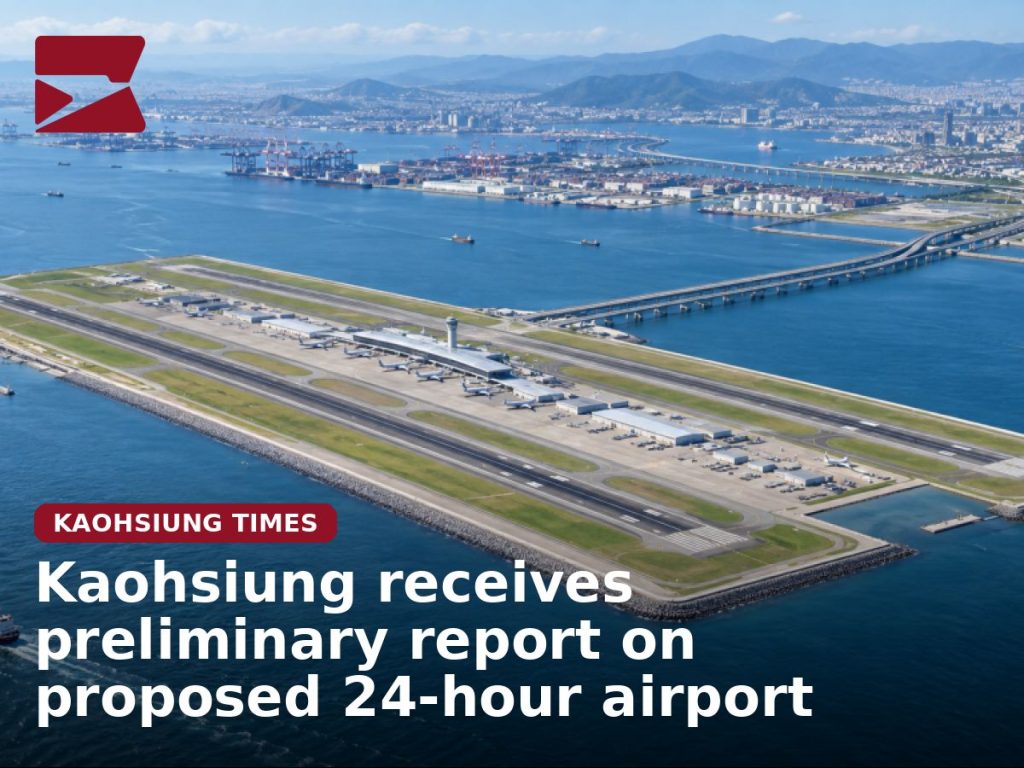
For Kaohsiung, the useful comparison is therefore less about copying Kobe’s artificial island than asking the questions its history exposes: Who would use the airport? How would passengers and freight reach it? What would happen to the existing Siaogang airport? And who would carry the financial risk if demand fell short?
Kobe’s experience does not establish whether Nansing should proceed, but it does show why those answers belong in the public debate before construction begins.